English
 عربى
عربى

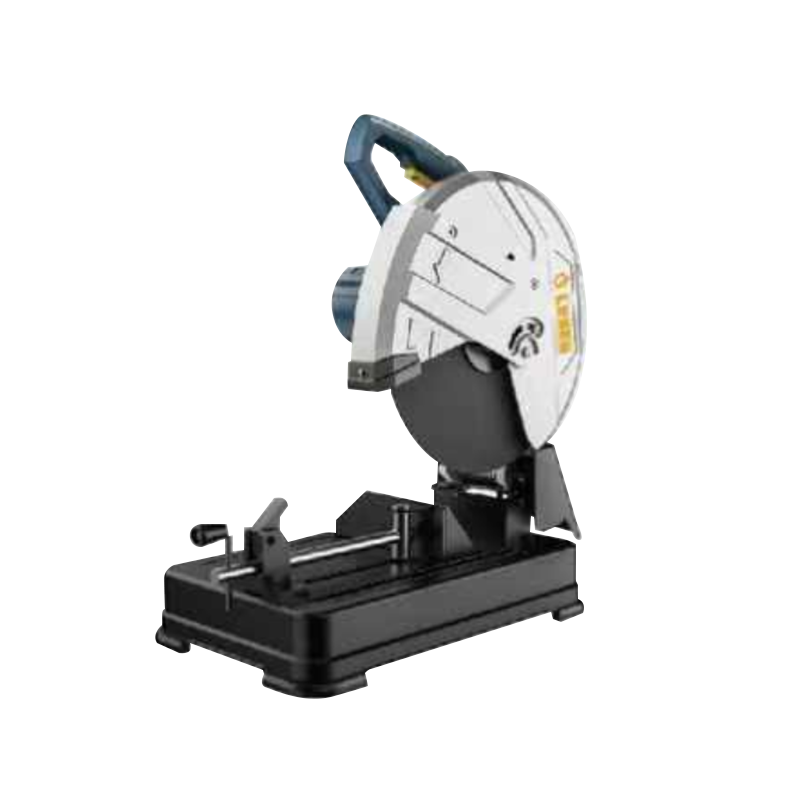
A cutting machine motor does one thing: it spins the blade or the spindle at the speed the cut requires. Inside that motor, the stator is the stationary part that creates the rotating magnetic field. The rotor turns because the stator pushes it. A cutting machine motor accessories stator factory builds the stator windings, the laminated cores, and the insulation that make the motor turn. The cutting machine is only as good as the motor. The motor is only as good as the stator.
The Laminated Core
The stator core is made from thin steel laminations stacked and bonded together. Each lamination is coated with an insulating layer so the eddy currents do not circulate through the stack. The thinner the laminations and the better the insulation, the lower the losses and the cooler the motor runs.
A cutting machine motor accessories stator factory stamps the laminations from electrical steel and stacks them to the required core length. The stacking pressure and the bonding method determine the core's mechanical integrity. A loose stack vibrates and hums. A tight stack runs quiet.
The Windings and the Insulation
The windings are copper wire wound through the slots in the core. The wire gauge and the number of turns set the motor's voltage and current characteristics. A cutting machine motor accessories stator factory winds the coils to the specified pattern and inserts them into the slots.
The insulation is what keeps the motor from shorting. Slot liners separate the windings from the core. Phase insulation separates the phases. The varnish or resin impregnation bonds the windings and seals them against moisture and dust. A cutting machine motor accessories stator factory that controls the impregnation produces a stator that survives the vibration and the heat of the cutting machine.
The Slots and the Air Gap
The slots are the openings in the core where the windings sit. The slot shape and the number of slots affect the motor's torque and its noise. A cutting machine motor accessories stator factory cuts the slots to the design and checks the dimensions.
The air gap is the space between the stator and the rotor. It is measured in tenths of a millimeter. Too large and the motor loses torque. Too small and the rotor rubs. A cutting machine motor accessories stator factory holds the bore dimension to the tolerance that keeps the air gap right.
Here is what a cutting machine motor accessories stator factory needs to deliver:
- Electrical steel laminations with proper insulation coating
- Tight, bonded core stack
- Windings to the specified pattern and wire gauge
- Slot and phase insulation
- Varnish or resin impregnation
- Bore dimension held for the correct air gap
Where the Stator Goes
Cutting machines use motors for the blade drive, the feed drive, and the coolant pump. Each motor has its own stator. A cutting machine motor accessories stator factory that builds stators for the machine tool industry understands the duty cycle and the environment.
The stator also goes into the smaller motors that drive the automation on the cutting machine. The positioners, the grippers, the conveyors. Each one needs a stator that matches its torque and speed.
What Fails on a Cheap Stator
The windings short because the slot insulation was too thin. A properly insulated stator holds. The motor overheats because the core losses are too high. Thinner laminations and better steel reduce the losses. The windings loosen because the impregnation was incomplete. A fully impregnated stator holds the windings through the vibration.
A cutting machine motor accessories stator factory builds the core that makes the motor turn. The laminations are stacked. The windings are inserted. The varnish bonds. Choose a factory that controls the steel, the winding, and the impregnation. The motor runs cool and the cutting machine keeps cutting.