English
 عربى
عربى

Metal processing remains a fundamental part of industrial production, supporting sectors such as construction, automotive, machinery, and equipment manufacturing. At the center of these processes is the Metal Cutting Machine, a tool designed to shape raw metal into usable components with controlled accuracy. While it may appear straightforward, its role goes far beyond basic material removal.
The Core Function of Metal Cutting Equipment
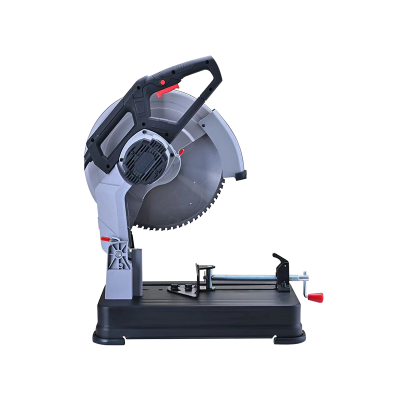
A Metal Cutting Machine is built to handle materials like steel, aluminum, copper, and alloys through controlled cutting actions. Depending on the process, cutting may involve sawing, milling, drilling, or shearing. Each method serves a different purpose, whether it is preparing raw stock, creating precise dimensions, or separating finished parts from sheets or bars.
In many workshops, cutting machines act as the starting point of the production chain. The quality of cutting directly affects welding, bending, surface treatment, and final assembly.
Common Types and Industrial Applications
Different industries rely on different cutting structures. Band saws and circular saws are widely used for bar and tube cutting. CNC-based systems support complex shapes where repeatability matters. Plasma and laser systems are often chosen for sheet metal operations that require smooth edges and flexible patterns.
Selecting the right Metal Cutting Machine depends on factors such as material thickness, cutting volume, and tolerance expectations. A machine suitable for small-batch fabrication may not be efficient for continuous industrial output.
Precision, Stability, and Process Control
Precision in metal cutting is influenced by machine rigidity, tool quality, and motion control. Even small vibrations or alignment issues can affect cutting results over time. This is why machine structure and transmission design receive significant attention during manufacturing.
Modern control systems allow operators to adjust cutting speed, feed rate, and depth based on material properties. A well-calibrated Metal Cutting Machine supports consistent output while reducing unnecessary material loss.
Daily Operation and Safety Considerations
Metal cutting environments involve rotating tools, sharp edges, and heat. Safe operation depends on proper guarding, stable clamping, and clear operating procedures. Operators are usually trained to monitor tool wear and cutting conditions to avoid unexpected issues.
Ease of operation also matters. Machines designed with intuitive controls and accessible maintenance points help reduce downtime. Over long production cycles, these practical details make a noticeable difference.
Maintenance and Equipment Longevity
Like all industrial equipment, a Metal Cutting Machine requires routine inspection and maintenance. Blade replacement, lubrication, and alignment checks help keep cutting performance stable. Ignoring these steps often leads to uneven cuts and higher operating costs.
Many manufacturers design machines with modular components so parts can be serviced or replaced without extensive disassembly. This approach supports long-term use across changing production needs.
Long-Term Value in Production Planning
From small workshops to large factories, a Metal Cutting Machine remains a foundational asset. Its contribution is not limited to cutting speed alone but extends to process reliability and production consistency. When properly matched to the application, it supports smoother workflows across multiple manufacturing stages.
As industries evolve, cutting requirements may change, but the basic need for controlled metal processing remains. Investing in the right machine setup allows manufacturers to adapt without frequent equipment replacement, supporting steady production over time.