English
 عربى
عربى

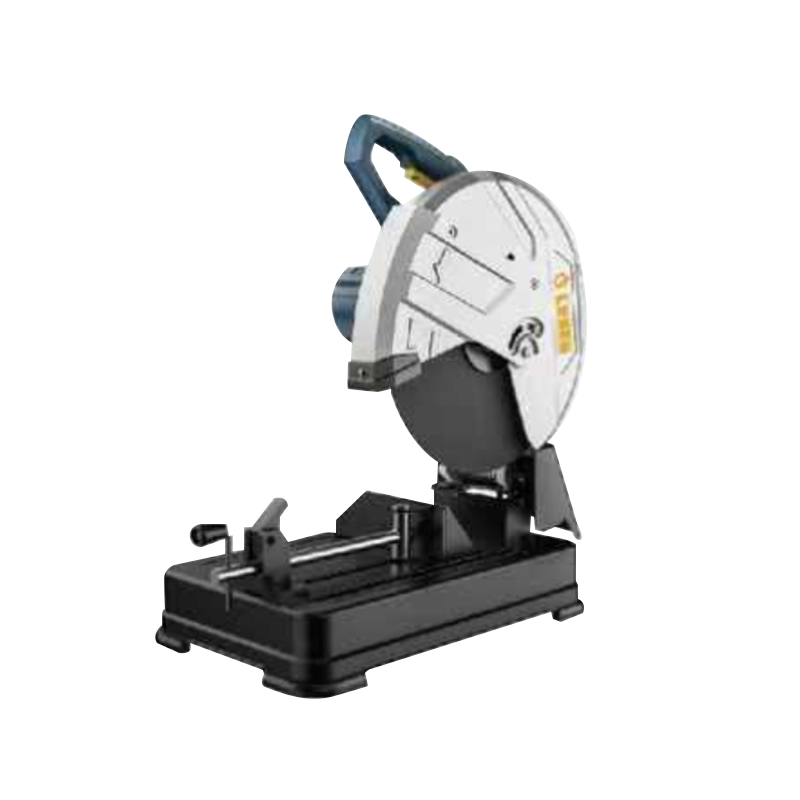
What Is a Metal Cutting Machine and How It Works in Modern Manufacturing
A Metal Cutting Machine is used to separate metal materials into required shapes through controlled cutting actions. In manufacturing environments, it helps turn raw sheets, pipes, or blocks into usable parts for later assembly.
The working idea is relatively direct. Material is placed in a fixed position, and a cutting method is applied through either physical force or energy concentration. Mechanical systems rely on direct contact, while thermal-based systems use heat or high energy flow to separate material layers.
In practical operation, the process usually follows a simple sequence. The material is positioned, the cutting path is set, and the equipment carries out movement along the intended route. After cutting, the edges may need light finishing depending on the application requirement.
Selection is often based on how complex the shape is and how stable the material needs to remain during processing. Different workshop setups may use different configurations depending on production flow.
How Metal Cutting Machines Shape Different Types of Metal Materials in Industrial Applications
Metal materials do not behave the same way during cutting. Their thickness, hardness, and internal structure can change how the process performs. Because of this, the equipment must be matched carefully with the material being processed.
Softer metals usually allow smoother movement and cleaner separation. Harder metals require stronger control during operation to avoid uneven edges or excessive wear on tools. Some mixed materials behave differently across the same sheet, which requires adjustment during processing.
In industrial use, operators often adjust cutting conditions based on how the material responds during the first contact. This makes the process more flexible, especially when working with varied production batches.
Rather than acting as a fixed system, the equipment responds to material differences during operation. That interaction between material and process is what shapes the final result and determines how consistent the output will be.
Why Cutting Performance Changes Across Different Metal Cutting Machine Technologies
Cutting performance varies because each method interacts with metal in a different way. Mechanical systems rely on direct force to separate material, while thermal-based systems use concentrated energy to weaken and divide the structure.
These differences affect how the final edge looks and how much post-processing is needed. Heat-based methods may slightly affect surrounding areas, while mechanical methods usually keep the material structure more direct but require stronger physical contact.
Several factors influence these changes, including how stable the material is during cutting, how energy is delivered, and how controlled the movement path remains during operation. Even small changes in these areas can lead to noticeable differences in output.
Performance behavior is therefore tied more to the working principle than to a single operational setting. This is why selection often depends on expected processing behavior rather than one fixed characteristic.
Which Metal Cutting Machine Fits Laser Plasma or Mechanical Cutting Needs
Different cutting methods serve different production conditions. Laser-based systems are often chosen for detailed shaping where fine control is required. Plasma-based systems are commonly used when working with thicker materials that need stronger separation force. Mechanical systems are usually applied in straightforward cutting tasks where direct force is sufficient.
Each method has a distinct working behavior that affects how material is processed. The decision is usually based on how complex the shape is and how thick the material needs to be handled. Selection is more related to workflow requirements than a single performance point.
| Cutting approach | Typical use direction | Working behavior |
|---|---|---|
| Laser-based | Detailed shaping | Focused energy interaction |
| Plasma-based | Thicker materials | High energy separation |
| Mechanical | Straight cutting | Direct physical force |
How CNC Technology Improves Metal Cutting Machine Precision and Production Efficiency
Control systems have changed how cutting operations are managed. Equipment with automated control can follow programmed paths, which reduces manual adjustment during operation and keeps movement more consistent.
Instead of relying fully on manual handling, the cutting path is defined before operation begins. This allows repeated tasks to follow the same movement pattern with fewer variations. It also helps in coordinating more complex shapes that would be difficult to handle manually.
In many manufacturing environments, this type of control helps connect design input directly to physical output. Once the path is set, the cutting process can run in a structured way without frequent intervention.
Systems with this kind of control are often used in workflows where consistency and repeatable shaping are important across multiple production cycles.
Where Metal Cutting Machines Are Commonly Used Across Manufacturing Industries
A Metal Cutting Machine appears in many production settings where metal parts need to be shaped before assembly or further processing. In structural workshops, it is used for plates, frames, and support parts. In pipe processing, it helps prepare sections for joining and fitting. In general fabrication, it supports everyday tasks that require steady and repeatable cuts.
Different workplaces use similar equipment in slightly different ways. Some focus on straight cutting, while others require shaped edges or repeated part production. The choice depends on the part design, the material form, and the pace of the work area.
Common use scenes include:
- sheet processing and part preparation
- pipe and tube cutting
- structural component work
- repair and maintenance shops
This kind of equipment is valued in these environments because it can support both single-piece work and repeated production flows without major changes in setup.
How to Choose a Metal Cutting Machine Based on Material Thickness and Production Demand
Material thickness is one of the first points to check before selecting cutting equipment. Thin material often requires smoother control and lighter interaction, while thicker material may need stronger cutting action or a different processing method. The equipment should match the actual working condition rather than being selected only by appearance.
Production demand also plays an important role. A workshop handling frequent small parts may need a different configuration compared to one processing larger sections or mixed material batches. Cutting path planning, finishing requirements, and working rhythm all influence the decision.
In daily evaluation, attention is usually placed on practical usage factors such as:
- type of material commonly processed
- how frequently the system will operate
- acceptable level of edge finishing work
- available space for installation and operation
What Safety Considerations Should Be Followed During Operation
Safety is part of the working routine rather than an optional step. Cutting equipment can involve moving components, sharp edges, heat generation, dust, or flying particles, so attention to operation habits is important before starting any task. Stable material placement and controlled handling near the cutting area are essential.
The working environment should remain clear, and surrounding objects should not interfere with machine movement or be exposed to heat or sparks. Inspection before operation and careful attention during use help reduce unnecessary risks.
Some practical points commonly followed in operation include:
- keeping hands away from the cutting area
- confirming material position before starting
- maintaining a clear space around the equipment
- avoiding loose items near moving parts
A Metal Cutting Machine operates more safely when the same careful routine is followed consistently, rather than changing procedures between different tasks.
How to Reduce Material Waste and Improve Efficiency in Metal Cutting Operations
Material waste often comes more from planning than from the cutting process itself. Before running a Metal Cutting Machine, layout arrangement should already match the material size and shape. When cutting order is organized properly, leftover sections can often be reused instead of being discarded.
Efficiency also depends on reducing unnecessary movement during operation. When similar parts are arranged together, the workflow becomes smoother and transitions between cuts require less adjustment. This helps maintain steady processing and reduces repeated corrections.
In daily operation, improvement is often linked to simple workflow habits:
- checking material layout before starting cutting
- grouping parts with similar shapes
- arranging cutting routes in a logical sequence
- reviewing leftover sections for possible reuse
When preparation is done carefully, the overall process becomes more balanced, and material usage is naturally more controlled during operation.
A Metal Cutting Machine performs more consistently when it is kept in stable working condition. Routine attention helps reduce irregular cutting behavior that may come from wear or buildup around moving areas. Small issues are easier to manage when they are handled early rather than left until they affect output.
Daily care often begins with cleaning the working area and checking whether moving components are free from debris or residue. Operators also pay attention to connection points, fastening parts, and areas that influence alignment or motion stability. When these parts remain clean and properly checked, operation tends to stay more consistent.
Common maintenance practices include:
- removing dust and remaining scraps after use
- observing visible wear before operation cycles
- keeping moving parts clear from buildup
- storing equipment in a clean and dry environment
Regular care helps maintain predictable performance and reduces unexpected interruptions during daily production tasks.