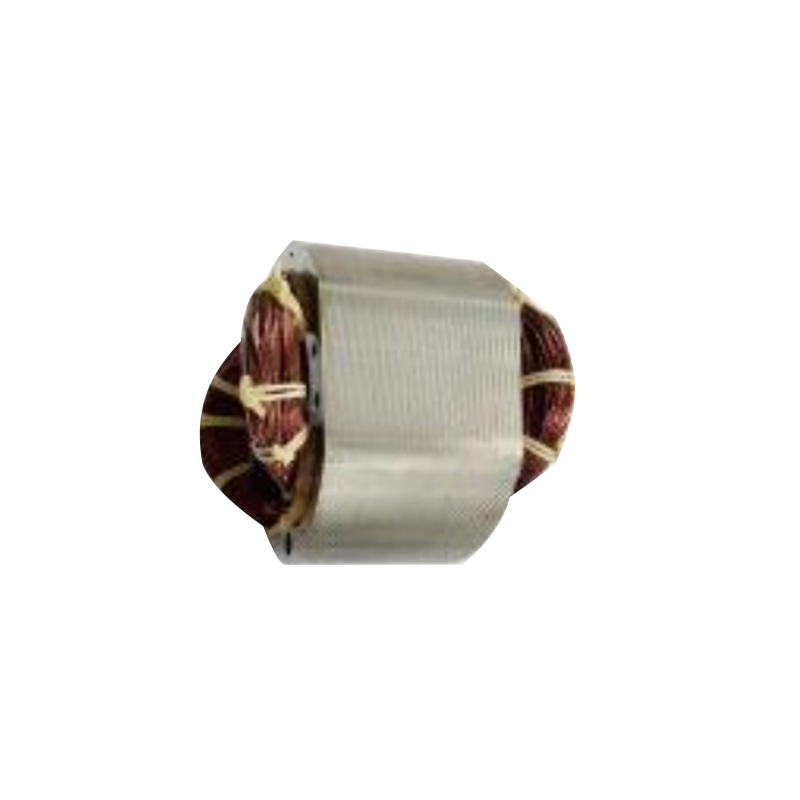
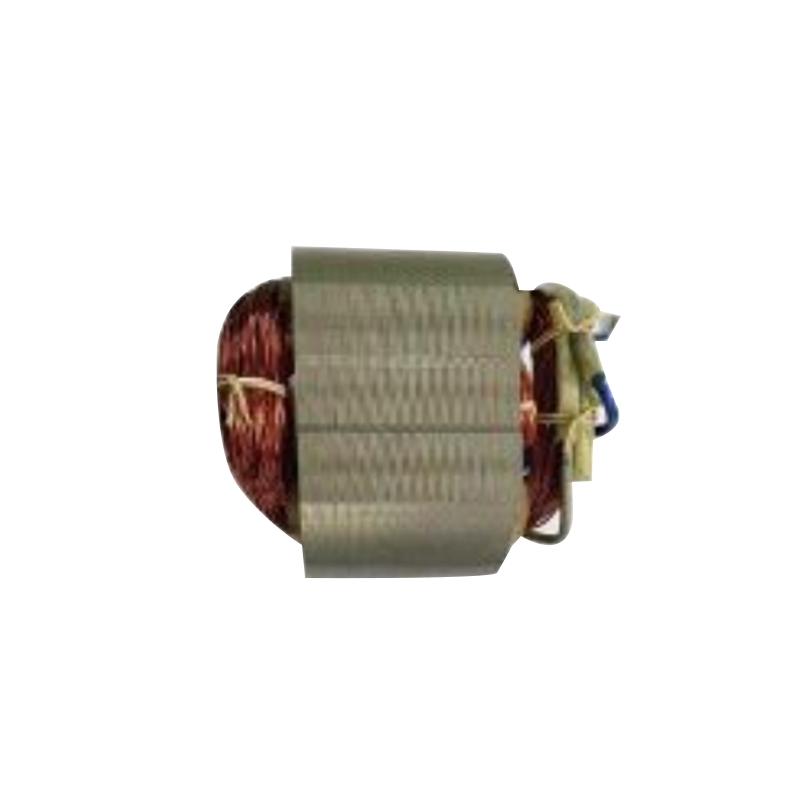
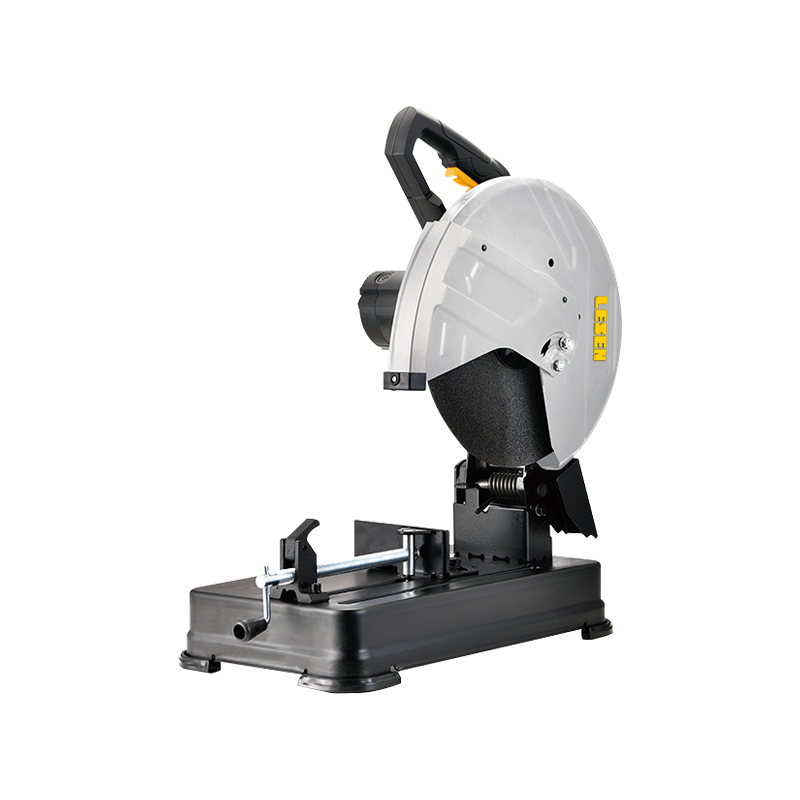
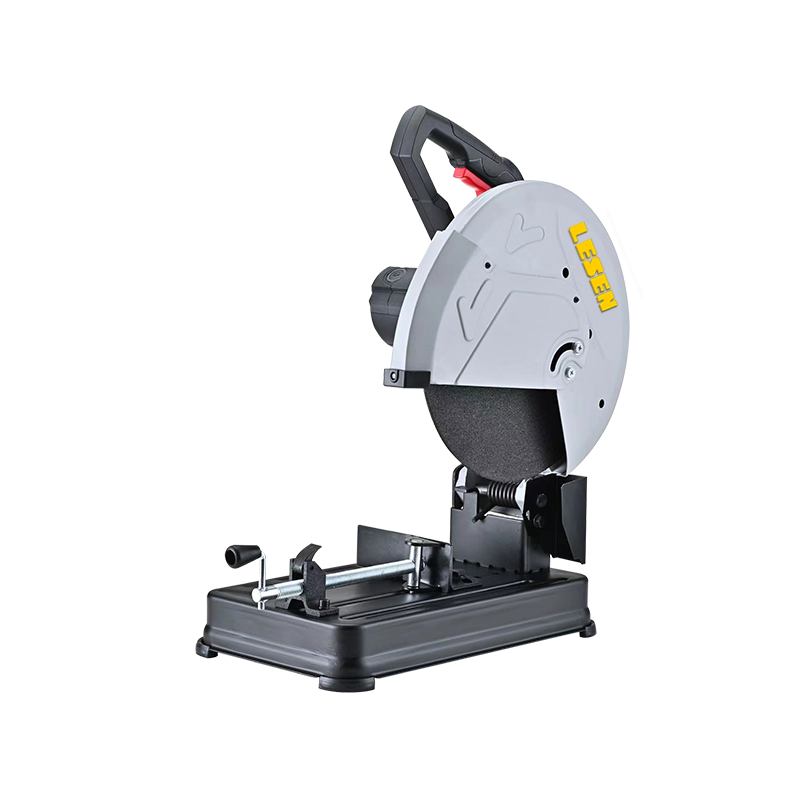
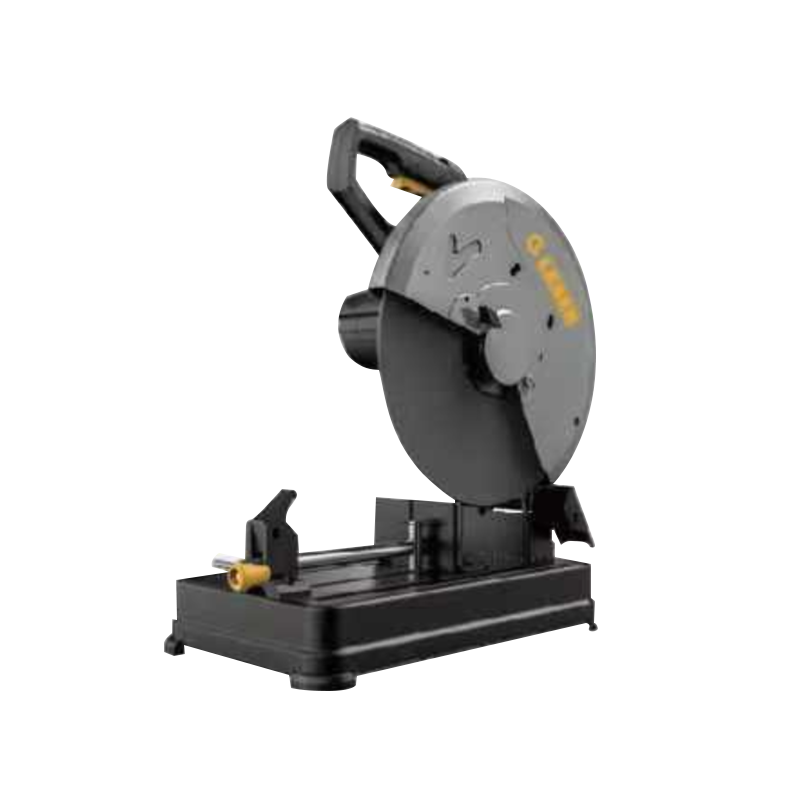
Sale Cutting Machine Rotor

We protect users with our philosophy, making our products more practical, efficient and durable.

Cutting Machine Motor Accessories Rotor Wholesaler

A rotor is a crucial component in many mechanical and electrical systems, playing a vital role in the functioning of motors, turbines, and various rotating machinery. It consists of a rotating part that interacts with other system elements to create motion or transfer energy. Rotors are found in industries such as automotive, aerospace, manufacturing, and power generation, making them an integral part of everyday life and industrial applications.

Key Functions of the Rotor:

Energy Transfer:

One of the primary purposes of a rotor is to transfer energy. In electric motors, rotors work in conjunction with stators to convert electrical energy into mechanical motion. This interaction creates rotational force, allowing machines and equipment to perform tasks like pumping, drilling, or generating electricity.
Magnetic Interaction:

In the case of electric motors, the rotor operates by interacting with magnetic fields generated by the stator. This magnetic interaction induces movement within the rotor, converting electrical currents into mechanical energy. The efficient design of rotors allows for precise control of speed, direction, and torque in electric systems.
Support in Fluid Dynamics:

Rotors are not exclusive to electric motors; they are also present in turbines, where they convert fluid (air or water) into mechanical energy. This is common in wind turbines, jet engines, and hydroelectric power plants. In these applications, rotors help generate power by harnessing natural forces such as wind or water currents.
Advantages of Rotor Technology:

Efficiency in Power Generation:

Rotors play a critical role in improving energy efficiency. Whether in wind turbines or electric motors, they help optimize energy use by converting various types of energy into mechanical power. This efficiency contributes to reduced energy consumption and lower operational costs in many systems.
Durability and Longevity:

Rotors are built to withstand high levels of stress and continuous rotation, making them durable and reliable. Made from high-quality materials such as steel, aluminum, or composite materials, they are designed to endure the demanding conditions found in industrial applications.
Versatility Across Applications:

Rotors are versatile components that are used in a broad range of equipment. From small appliances like fans and hair dryers to large industrial machines like compressors and turbines, rotors adapt to various sizes and power levels. This adaptability makes them a key part of multiple sectors.
Key Features of the Rotor:

Balanced Design:

A well-balanced rotor ensures smooth and vibration-free operation. Imbalance in a rotor can cause excessive wear and tear, leading to potential damage to the machinery. Precision engineering helps maintain balance, improving performance and extending the life of the equipment.
Material Strength:

The materials used in rotor construction are selected for their strength and resilience. Steel is commonly used due to its durability, but in high-speed applications, lighter materials like aluminum or carbon composites may be chosen to reduce weight without sacrificing strength.
High-Speed Capability:

Rotors in many systems are designed to operate at high speeds. In electric motors, for example, the rotor can spin at thousands of revolutions per minute (RPM). This high-speed capability is essential for applications that require rapid movement or energy generation, such as in jet engines or automotive systems.
Applications of Rotor Technology:

Automotive:

Rotors are widely used in the automotive industry, particularly in the braking system (disc rotors) and the engine (turbochargers). The brake rotor interacts with brake pads to slow down or stop the vehicle, while turbocharger rotors enhance engine performance by forcing more air into the combustion chamber.
Aerospace:

In the aerospace sector, rotors are essential components in jet engines, helicopter rotors, and other flight systems. They play a critical role in maintaining thrust and lift, ensuring that aircraft can operate efficiently and safely.
Power Generation:

Wind turbines and hydroelectric power plants rely on rotors to convert natural energy sources into electricity. The rotor blades in wind turbines, for instance, capture wind energy and convert it into mechanical power that drives a generator to produce electricity.
Conclusion: The rotor is an indispensable element across numerous fields, providing energy transfer, rotational movement, and mechanical power in various systems. Its efficiency, durability, and adaptability make it a vital component in industries such as automotive, aerospace, and power generation. Through precision engineering and high-quality materials, rotors contribute significantly to the performance and longevity of modern machinery, enabling technological progress and supporting industrial operations.

    information to be updated

ABOUT
Yongkang Saima Machinery Technology Co., Ltd.
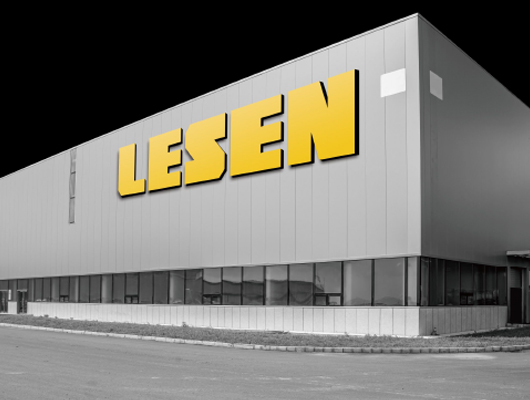
LESEN, formerly known as Saima Technology, was established in 2005 and is located in Yongkang, the capital of hardware. We are a company specialising in the manufacture of China Rotor and sales Rotor factory, from imitation to innovation, from small workshops to large-scale production, ten years of grinding a sword to create the LESEN brand in 2015. Since then, a professional tool manufacturing company integrating R&D, production, and sales was born. This will give people who need to use tools more choices and provide better power tools for our customers. Through our continuous innovative technology, we are constantly providing our customers with professional power tool solutions.
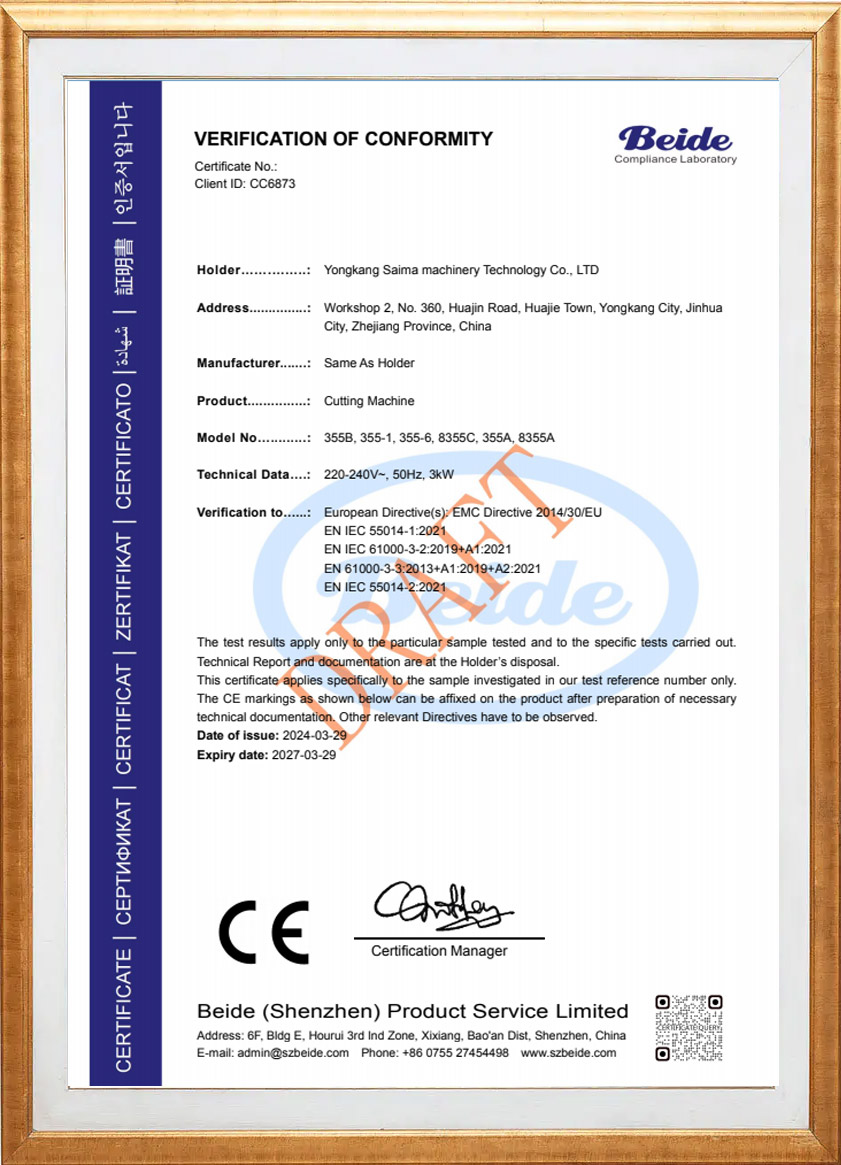
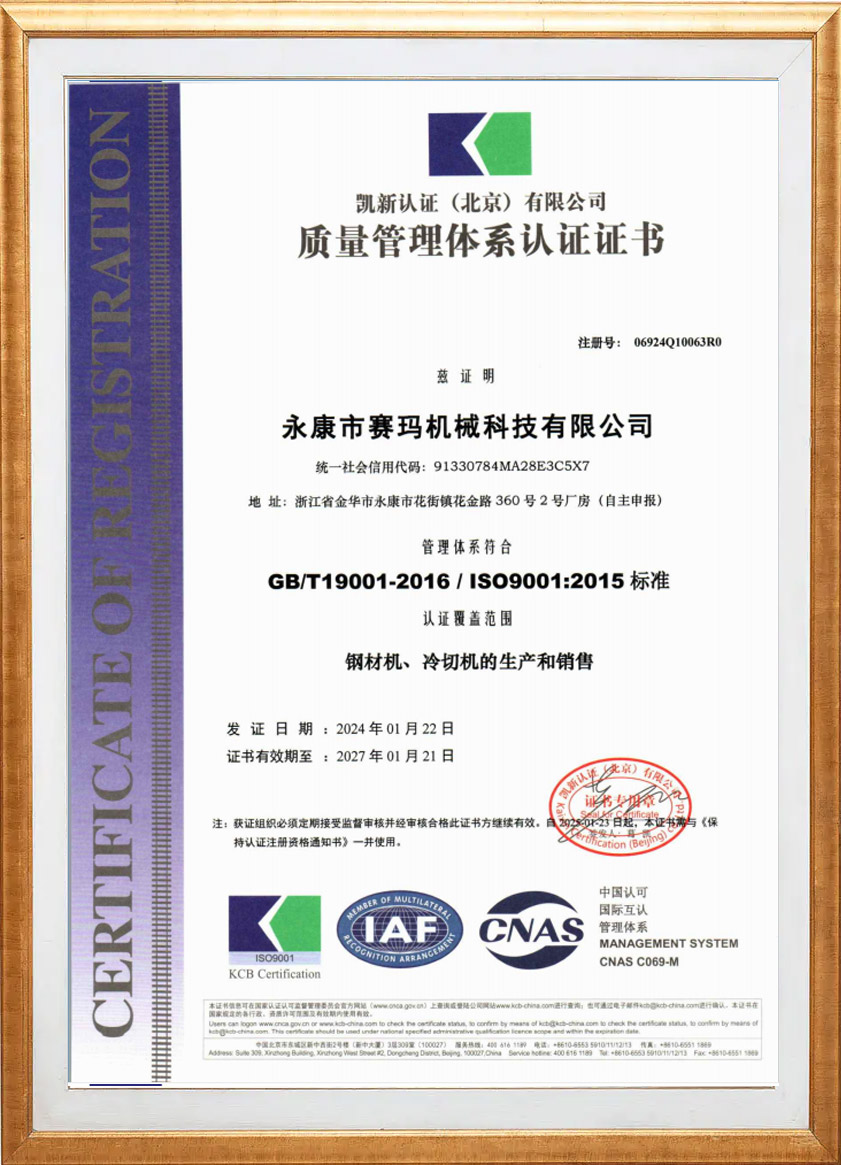
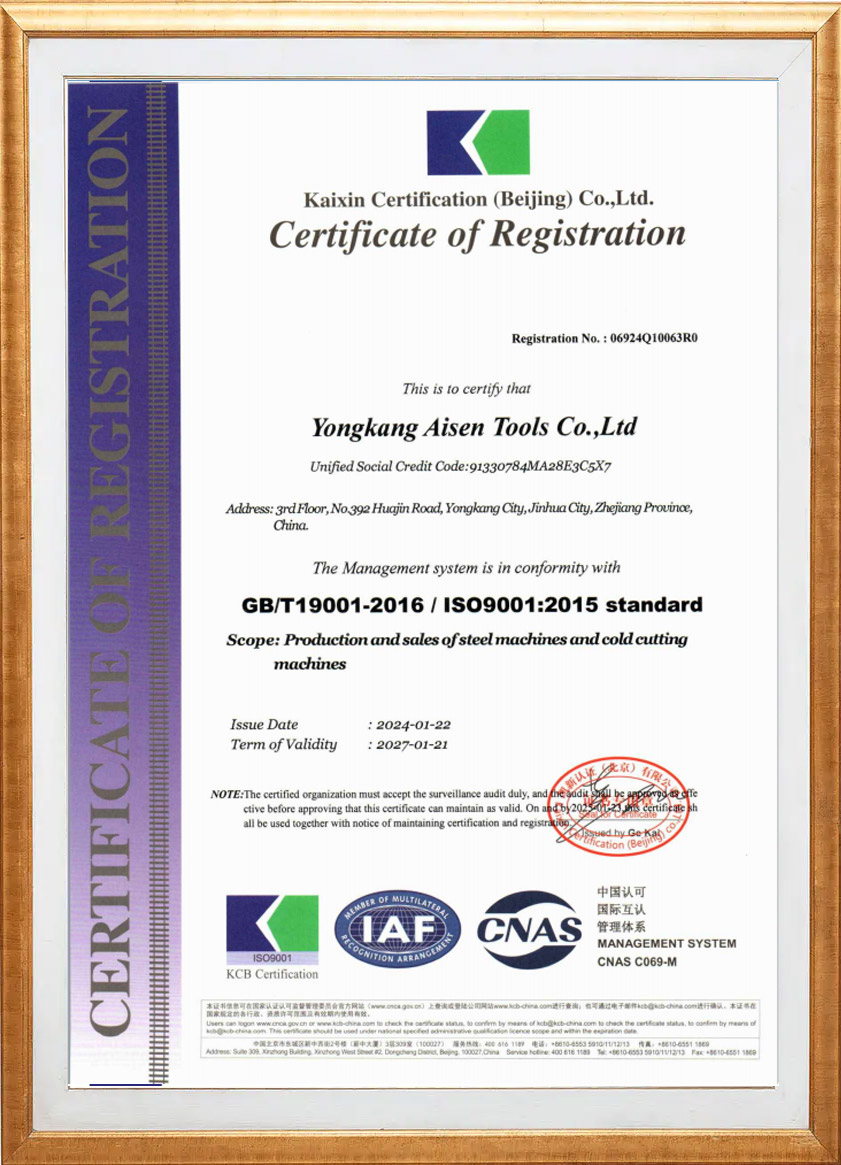
Certificate Of Honor
  • CE
  • Certificate-CN
  • Certificate-EN
BLOGS