information to be updated
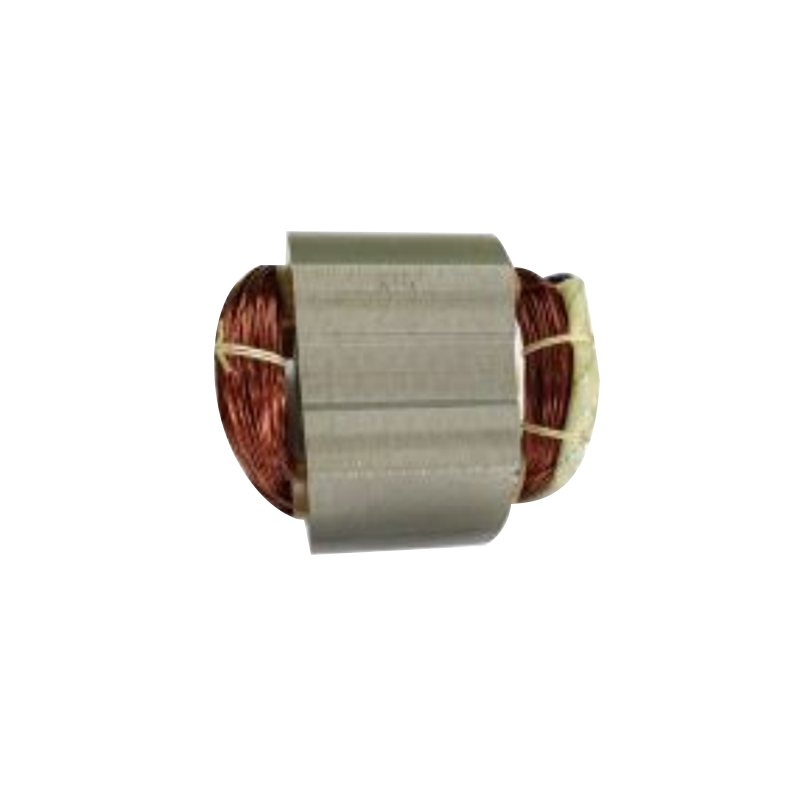
Sale Cutting Machine Motor Accessories Stator
We protect users with our philosophy, making our products more practical, efficient and durable.
The stator is a critical component in the design and function of electric motors and generators, playing an essential role in converting electrical energy into mechanical energy. It serves as the stationary part of a rotary system, often paired with a rotor, which is the moving part. This component can be found in a wide variety of machines, ranging from small household appliances to large industrial equipment. The performance and efficiency of these machines often rely heavily on the quality and precision of the stator.
Key Functions of a Stator:
Electromagnetic Induction:
The primary function of a stator is to generate a magnetic field when an electric current passes through its coils. This magnetic field interacts with the rotor to create rotational motion. This process is fundamental in both electric motors, where electrical energy is converted into mechanical work, and in generators, where mechanical energy is converted into electrical power.
Energy Transfer:
The stator provides a stable structure for the energy transfer process. It remains stationary, holding the coils through which the current flows. As the rotor moves, the magnetic field produced by the stator remains constant, allowing for the smooth conversion of energy without mechanical friction.
Heat Dissipation:
During operation, the stator can generate a significant amount of heat due to the constant flow of current through its coils. High-quality stators are designed with materials and structures that efficiently dissipate heat, helping to prolong the life of the motor or generator. This function ensures stable operation and reduces the risk of overheating, which can otherwise lead to malfunctions or reduced efficiency.
Advantages of High-Quality Stators:
Enhanced Efficiency:
A well-designed stator contributes significantly to the overall efficiency of the motor or generator. Efficient energy conversion ensures that more electrical power is transformed into mechanical work, reducing energy waste. This makes the machinery more cost-effective and environmentally friendly, as it consumes less power to operate.
Durability and Longevity:
Stators are typically made from durable materials like copper, steel, or aluminum, which are known for their high conductivity and strength. By using such materials, the stator can withstand the electrical and thermal stresses that occur during prolonged operation. This durability extends the lifespan of the motor or generator, reducing the need for frequent maintenance or replacements.
Low Noise and Vibration:
Precision engineering in the design of the stator ensures vibration and noise during operation. By reducing mechanical friction and ensuring smooth energy transfer between the stator and rotor, the motor runs more quietly and with less wear on its components. This feature is especially important in applications where noise control is critical, such as in home appliances or medical equipment.
Key Features of a High-Performance Stator:
High Conductivity Coils:
The coils used in stators are typically made from high-conductivity materials like copper, which ensures energy transfer. Copper's ability to conduct electricity efficiently reduces energy loss and improves the overall performance of the motor or generator.
Advanced Insulation:
To prevent electrical short circuits and reduce the risk of overheating, stators are equipped with advanced insulation materials. These materials protect the coils and ensure safe and reliable operation, even under high loads or extreme conditions.
Precision Engineering:
High-performance stators are designed with exact specifications to ensure they fit perfectly within the motor or generator assembly. This precision ensures smooth operation and prevents mechanical issues such as misalignment or excessive wear on the rotor.
Applications of Stators:
Electric Motors:
Stators are commonly used in electric motors, which power a vast array of devices, from small electronics like fans to industrial machines such as conveyor belts and compressors. The stator’s ability to efficiently convert electrical energy into mechanical energy is fundamental in these applications.
Generators:
In generators, stators work in reverse, converting mechanical energy into electrical energy. This is essential in power generation, where mechanical energy from sources like wind, water, or steam turbines is transformed into usable electricity for homes, businesses, and industries.
Automotive Industry:
In electric and hybrid vehicles, stators play a vital role in the motor system, allowing these cars to operate more efficiently and sustainably. The automotive industry heavily relies on advanced stator technology to improve vehicle performance and reduce energy consumption.
Conclusion:
The stator is an indispensable component in a wide range of electrical machines, contributing to their efficiency, durability, and performance. Through precise engineering and high-quality materials, stators ensure smooth energy conversion, reduce waste, and provide long-lasting operation. Whether in motors, generators, or automotive applications, the stator plays a pivotal role in ensuring the reliability and functionality of these systems.
information to be updated
Aluminum cutting saw factories are seeing steady demand from window and door manufacturers, automotive parts suppliers, ...
READ MOREVersatile cut off machines are cutting tools that handle multiple materials with interchangeable blades and adjustable s...
READ MOREHandheld metal cutting machines are portable power tools used to cut steel, aluminum, and other metals. They are used on...
READ MOREWall planing machine factories are seeing steady demand from renovation contractors, construction companies, and interio...
READ MORE
Advantages of the LS355B Industrial Grade Professional Cut Off MachinePowerful Cutting Per...
See Details
Advantages of the LS355-3 2700w Industrial Electric Cut Off MachineEnhanced Cutting Precis...
See Details
Advantages of the LS-400A high-strength Cut Off MachineHigh Cutting EfficiencyThe machine ...
See Details
Product AdvantagesAdvanced Structural DesignReinforced Frame: The sturdy structure of the ...
See Details
Advantages of the 8355C Industrial Handheld Metal Cutting Machine1. Exceptional Cutting Pr...
See Details
Product AdvantagesHigh Precision and EfficiencyThe 355*66T Sharp Cold Cutter boasts an opt...
See Details
Advantages of the 355*80T Cold CutterSuperior Cutting PrecisionThe 355*80T Cold Cutter ens...
See Details
Advantages of 355*3*25.4mm Steel MachineSuperior DurabilityThe 355*3*25.4mm Steel Machine ...
See Details
Key Advantages of the 26/6 Motor Accessories φ72 Stator / φ41.2 RotorEnhanced EfficiencyTh...
See Details
Advantages of the 8305 Motor Accessories (φ72 Stator/φ41.2 Rotor)High Efficiency and Perfo...
See Details
Advantages of the LS355-7 Portable Stainless Cut Off MachineSuperior Cutting PerformanceTh...
See Details
Advantages of the LS355-1A Electric Metal Cut Off MachineEnhanced PrecisionThe LS355-1A of...
See Detailsinfo
No. 360, Huajin Road, Huajin Road, Huajie Industrial Zone, Yongkang City, Zhejiang, China
(+86) 15988571198
Mobile website