English
 عربى

In electric power tools and cutting equipment, motor performance depends on much more than the housing, switch, or external transmission system. The internal stator and rotor determine how efficiently electrical energy is converted into rotational force, how smoothly the motor operates, and how reliably the tool performs under demanding loads. The 0035 motor accessories φ72 stator and φ44 rotor are designed as precision motor components for cutting machines, power tools, industrial equipment, and other electrically driven systems that require stable output and dependable service life.
This stator and rotor combination provides a practical solution for manufacturers, distributors, repair specialists, and equipment assemblers seeking reliable replacement or production components. With a stator specification of Φ72 × 45h and a model designation of 0035, the product is engineered for integration into compatible motor assemblies. The φ44 rotor configuration complements the stator and supports the electromagnetic interaction required to generate rotational movement.
Compared with poorly matched or inconsistently manufactured motor components, a precisely produced stator and rotor set can reduce vibration, improve energy transfer, support smoother acceleration, and help extend the useful life of the motor. These benefits are especially important in cutting machines, where the motor may experience repeated starting, stopping, high rotational speed, mechanical resistance, heat generation, and extended operating cycles.
This article examines the design, advantages, applications, manufacturing capabilities, quality considerations, and purchasing value of the 0035 φ72 stator and φ44 rotor motor accessories. It also explains why a specialized manufacturer with integrated research, production, testing, and customization capabilities can provide stronger support than a general trading supplier or an inconsistent low-cost source.
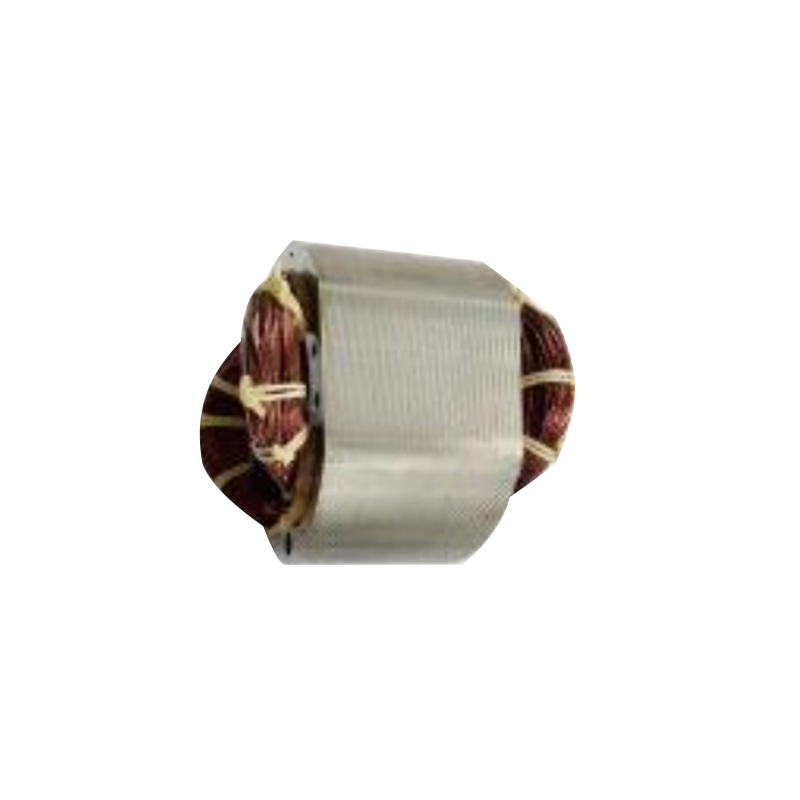
0035 Motor Accessories φ72stator/φ44rotor
Product Overview
The 0035 motor accessories φ72 stator and φ44 rotor form the electromagnetic working core of a compatible electric motor. The stator is the stationary component, while the rotor rotates inside or in relation to it. When electrical current passes through the stator windings, a magnetic field is generated. This field interacts with the rotor to create torque and rotational motion.
The performance of this interaction depends on dimensional accuracy, material quality, winding consistency, magnetic circuit design, rotor balance, insulation quality, and the relationship between the stator and rotor air gap. Even small dimensional differences can influence noise, vibration, heat generation, torque delivery, and power consumption. For this reason, stator and rotor accessories should not be considered simple replacement parts. They are precision-engineered functional components that directly influence the performance of the finished motor.
The 0035 model is identified with a Φ72 × 45h stator specification. The product configuration also includes a φ44 rotor. These dimensional references help buyers compare the component with existing motor designs and determine compatibility before ordering. Because motor structures may vary between applications, buyers should confirm the complete assembly requirements, including shaft dimensions, winding specifications, mounting relationships, electrical parameters, and motor housing measurements.
| Product Item | Specification or Description |
|---|---|
| Model | 0035 |
| Stator | Φ72 × 45h |
| Rotor | φ44 configuration |
| Product Category | Cutting machine motor accessories |
| Primary Function | Electromagnetic conversion of electrical energy into rotational force |
| Suitable Equipment | Cutting machines, power tools, industrial equipment, and compatible electric motor assemblies |
| Key Performance Focus | Efficiency, stability, durability, thermal resistance, and low maintenance |
The product is particularly relevant to mobile cutting machine manufacturers and power tool producers. In these applications, the motor must provide a dependable balance between torque, rotational speed, compact construction, weight, and thermal performance. The stator and rotor must also remain stable when the machine is exposed to repeated impact, vibration, dust, variable loads, and frequent operator use.
Why the Stator and Rotor Matter in Motor Performance
The stator and rotor are central to the operating principle of an electric motor. The stator creates the magnetic field, while the rotor responds to that field and converts electromagnetic force into mechanical rotation. The interaction between these parts influences nearly every practical characteristic of the motor, including starting behavior, running smoothness, power output, energy use, operating temperature, and service life.
A motor with an accurately manufactured stator and rotor can maintain a more consistent air gap. A stable air gap helps the magnetic field operate efficiently and reduces unnecessary losses. If the air gap is uneven because of poor machining, deformation, inaccurate assembly, or rotor imbalance, the motor may produce excess noise and vibration. It may also draw more current, operate at a higher temperature, and experience premature wear in bearings and related components.
In cutting equipment, these effects can become more serious. A cutting machine often requires rapid acceleration and stable rotation while a blade is engaged with metal, aluminum, wood, or another material. If the motor loses speed excessively or produces irregular torque, cutting quality may decline. The machine may also experience additional vibration, which can affect blade life, operator comfort, and the accuracy of the finished cut.
The 0035 stator and rotor are intended to support a smooth electromagnetic cycle and dependable mechanical output. Their value is therefore not limited to their physical dimensions. They also contribute to the overall balance, responsiveness, durability, and energy performance of the motor system.
Major Advantages of the 0035 Motor Accessories
High Energy Efficiency
One of the primary advantages of a well-designed stator and rotor combination is efficient energy conversion. The components are engineered to reduce unnecessary energy loss during motor operation. When the magnetic circuit is properly formed and the rotor rotates with minimal interference, more of the supplied electrical energy can be converted into useful mechanical power.
Improved energy efficiency can reduce operating costs, particularly in factories or workshops where cutting machines and power tools are used for long periods. Lower energy consumption may also help reduce heat generation inside the motor. This is important because excessive heat can accelerate insulation aging, reduce lubricant performance, and shorten the service life of bearings and other internal parts.
Efficiency also contributes to more consistent tool performance. A motor that uses energy effectively can maintain its operating speed more reliably under changing loads. For cutting applications, this may help the blade maintain a more stable cutting action when resistance increases.
Stable Torque and Smooth Operation
The relationship between the stator and rotor directly affects torque generation. Precision manufacturing helps maintain the correct alignment and working clearance between the two components. This supports smooth rotation and can reduce fluctuations in torque during operation.
Smooth operation is valuable in both handheld and stationary tools. In handheld equipment, reduced vibration can improve user comfort and control. In stationary cutting machines, it can help maintain consistent material engagement and reduce stress on the frame, blade, transmission, and bearings.
The 0035 configuration is suitable for motor designs that require dependable acceleration and deceleration. A stable electromagnetic system allows the motor to respond effectively when starting, stopping, or changing load conditions. This is especially useful for equipment that is operated repeatedly throughout the day.
Durability Under Demanding Conditions
Cutting machines and power tools may operate in environments where heat, dust, vibration, and mechanical loading are unavoidable. Motor accessories must therefore be manufactured with materials and processes that support long-term structural stability.
The 0035 stator and rotor are described as being made with high-quality materials and designed to resist heat and corrosion. These properties help the components maintain their functional characteristics during demanding operation. The ability to tolerate repeated thermal cycles is particularly important because motors often heat up during use and cool down after shutdown.
Durability does not depend on material selection alone. It also requires accurate forming, secure assembly, appropriate insulation, balanced rotor construction, and controlled inspection. A component that is dimensionally accurate but poorly insulated may still create reliability problems. Similarly, a rotor made from suitable material may cause vibration if it is not properly balanced.
Improved Thermal Resistance
Heat is one of the most common causes of electric motor degradation. High operating temperatures can affect winding insulation, bearing grease, adhesives, and other internal materials. A stator and rotor designed to withstand thermal stress can help the motor remain reliable during demanding operating cycles.
The 0035 motor accessories are designed for enhanced thermal resistance. This supports safer and more stable performance when the motor is subjected to heavy loads or extended running periods. Thermal resistance can also provide a wider operating margin, reducing the likelihood that temporary overloads will immediately damage the motor assembly.
Good thermal performance should be considered together with the motor’s ventilation system, electrical design, duty cycle, load, and ambient temperature. The stator and rotor can support heat management, but the complete motor must still be correctly designed and operated within appropriate limits.
Low Vibration and Noise Potential
Noise and vibration are affected by many factors, including rotor balance, bearing condition, housing rigidity, gear engagement, blade condition, and electrical commutation. Nevertheless, the stator and rotor are among the most important internal contributors.
Precision-engineered components can help maintain concentricity and alignment. A properly balanced rotor reduces centrifugal forces, while a consistent stator structure supports more uniform electromagnetic operation. Together, these characteristics can reduce unnecessary vibration and contribute to quieter motor performance.
Lower vibration may also reduce fatigue in connected parts. Bearings, fasteners, transmission components, and machine frames can all benefit when the motor runs smoothly. Over time, this may reduce maintenance requirements and improve the reliability of the complete cutting machine.
Lightweight and Compact Construction
Power tools and mobile cutting machines must often deliver strong performance without becoming unnecessarily heavy. A compact motor accessory design helps manufacturers balance power, portability, and ease of installation.
The 0035 stator and rotor are designed to provide durable performance while limiting unnecessary weight. A lighter internal motor assembly can improve equipment handling and reduce the physical burden on operators. It can also help manufacturers design more compact products for workshops, construction sites, maintenance teams, and mobile service applications.
Weight reduction must not compromise structural integrity. The practical advantage of a lightweight component comes from efficient engineering, appropriate material selection, and controlled manufacturing rather than simply reducing material volume.
Reduced Maintenance Requirements
Reliable motor accessories can contribute to lower maintenance costs throughout the product life cycle. Components that resist wear, heat, and corrosion are less likely to require frequent replacement. Smooth operation may also reduce stress on bearings, housings, and transmission parts.
For industrial users, maintenance reduction is particularly valuable because equipment downtime can interrupt production schedules. A dependable stator and rotor can help maintenance teams focus on planned inspections rather than repeated emergency repairs.
Of course, the complete motor still requires correct maintenance. Users should keep ventilation paths clean, inspect bearings, avoid overloading the machine, replace worn brushes where applicable, and follow the operating recommendations of the equipment manufacturer.
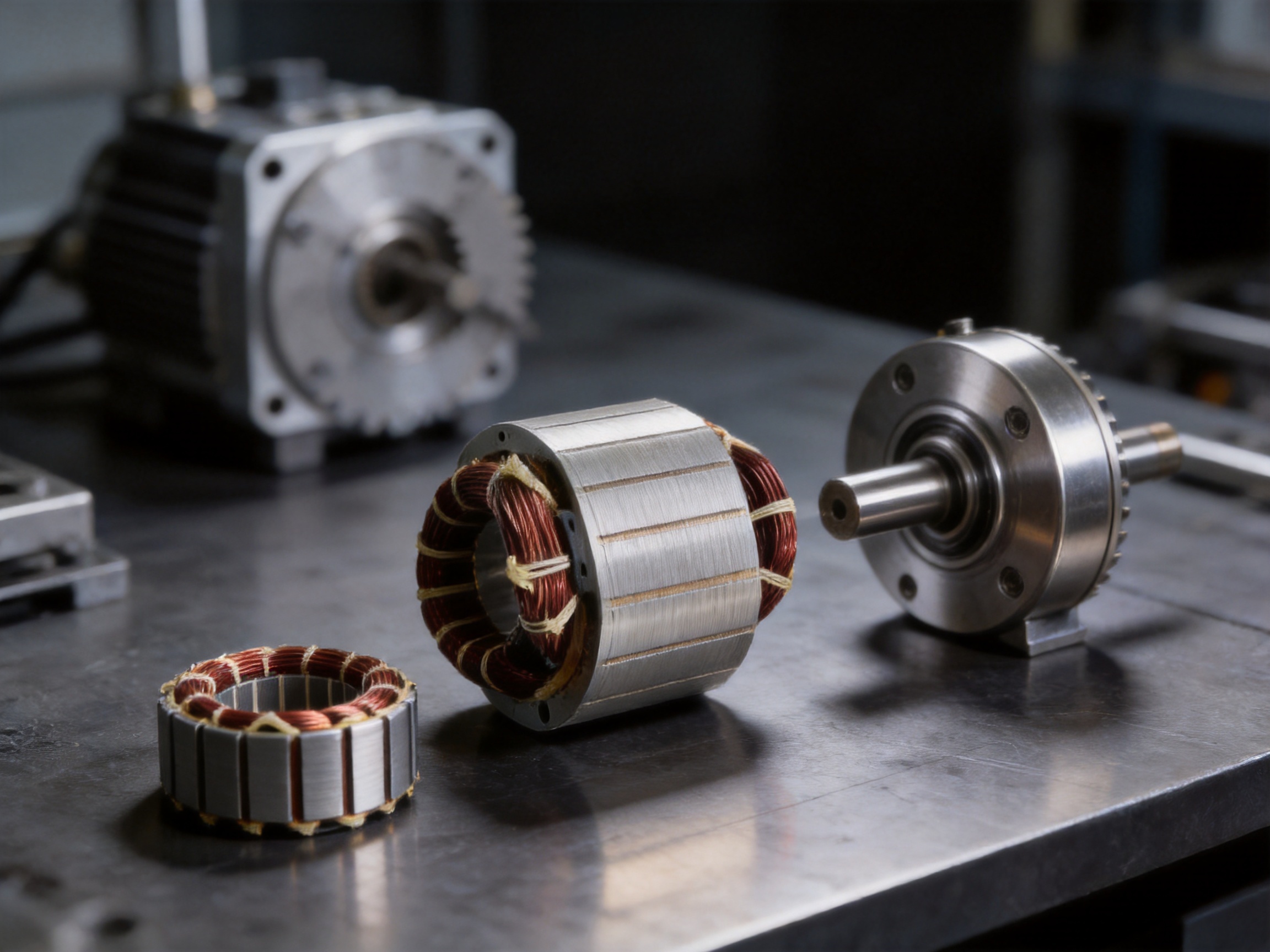
Advantages Compared with Inconsistent or Lower-Quality Alternatives
When buyers compare stator and rotor suppliers, the lowest initial price does not always represent the best overall value. Inconsistent components may create hidden costs through higher energy use, assembly difficulty, early failure, excessive vibration, or increased after-sales claims.
The 0035 motor accessories offer several potential advantages over generic components that lack controlled dimensions or traceable production standards. First, the defined model and dimensional information make it easier to establish compatibility. Second, precision engineering helps support proper alignment and air-gap control. Third, the intended application in cutting machines and power tools means that the component is considered in relation to practical operating conditions rather than treated as a universal part without application guidance.
Another important advantage is manufacturing support. A specialized producer can often discuss motor structure, production quantities, customization requirements, and application conditions with greater technical understanding than a general supplier. This can reduce the risk of ordering a component that appears similar externally but does not perform correctly inside the target motor.
Quality consistency is also important for batch production. If the dimensions or electrical characteristics vary significantly between batches, manufacturers may face assembly problems and inconsistent motor output. Controlled production and inspection help reduce this risk and support repeatable results.
The most useful comparison should therefore include total cost of ownership. Buyers should evaluate component price together with performance, reliability, rejection rate, assembly labor, warranty exposure, delivery stability, and technical communication. A reliable motor accessory can provide better value even when its purchase price is not the lowest available.
Applications in Cutting Machines
The product category of the 0035 stator and rotor is closely connected with cutting machine motor accessories. Cutting machines require motors that can deliver stable rotation under changing mechanical resistance. When a blade enters a workpiece, the load may rise suddenly. The motor must respond without excessive speed loss, overheating, or unstable vibration.
In metal cutting machines, the motor may be exposed to high starting loads and repeated cutting cycles. The stator and rotor must support reliable operation while the blade or abrasive wheel encounters hard materials. Stable rotation helps the cutting system maintain a controlled contact condition and may reduce unnecessary stress on the cutting tool.
In aluminum sawing machines, smooth motor operation can contribute to cleaner movement and improved equipment control. Aluminum cutting may require a different speed and blade arrangement from steel cutting, but the motor still needs reliable acceleration and resistance to fluctuating loads.
Mobile cutting machines place additional demands on weight and portability. The motor must be sufficiently powerful while remaining practical for transport and operator handling. A compact, lightweight stator and rotor assembly can help manufacturers develop equipment that combines mobility with useful cutting performance.
Motor accessories are also important for after-sales repair and refurbishment. When a motor’s internal electromagnetic components wear or become damaged, replacing the compatible stator and rotor may restore equipment performance without replacing the entire machine. This can reduce repair costs and extend the useful life of the cutting equipment.
Applications in Power Tools
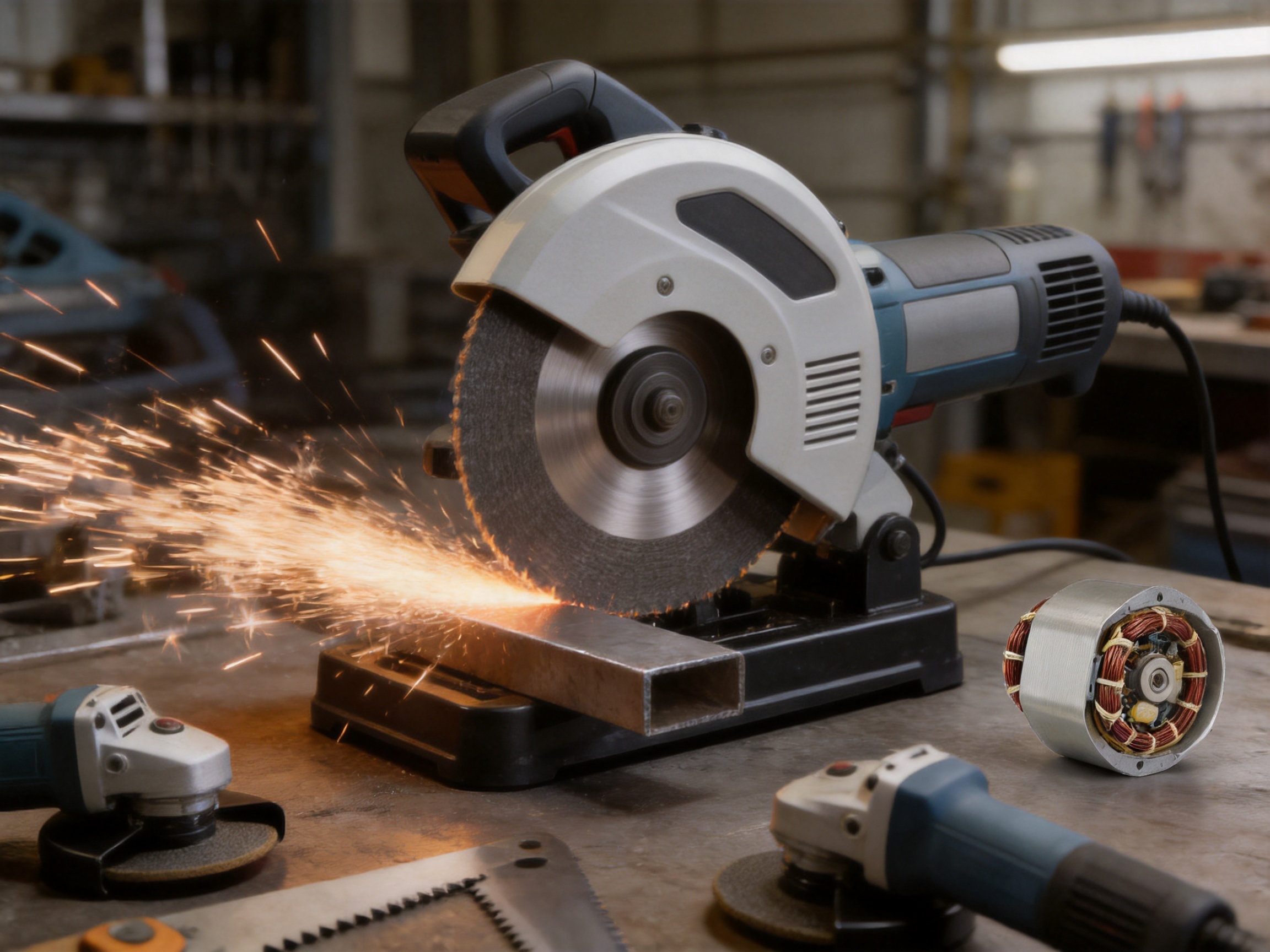
The 0035 motor accessories may also be used in compatible electric power tools such as saws, grinders, drills, and other equipment requiring compact motor assemblies. Power tools often operate at high speed and may experience rapid changes in load. Their motors must be responsive, durable, and capable of operating within a relatively small housing.
In electric saws, stable motor speed supports consistent blade movement. In grinders, the motor may experience continuous frictional resistance and high rotational speed. In drills, the motor must respond to changes in material hardness and drilling pressure. Each application has its own electrical and mechanical requirements, so compatibility should be verified before use.
For original equipment manufacturers, a dependable stator and rotor supplier can support the development of new tool models. For distributors and repair businesses, standardized model information can simplify product selection and inventory planning.
Use in Industrial Machinery and Equipment
Beyond cutting machines and handheld tools, stator and rotor assemblies are used in many industrial motor applications. Compatible designs may be found in pumps, conveyors, ventilation systems, production equipment, small machinery, and other systems requiring rotational power.
Industrial equipment often operates for longer duty cycles than consumer products. The motor may run continuously or start and stop many times per day. Under these conditions, component durability, thermal management, and consistent quality become especially important.
A motor accessory manufacturer serving industrial customers must be able to support more than one-time product delivery. Customers may require repeat orders, stable specifications, production scheduling, technical clarification, packaging support, and response to field feedback. These requirements favor suppliers with integrated production and experienced engineering teams.
Precision Manufacturing Process
Engineering and Design Preparation
The manufacturing process begins with design preparation and specification review. Engineers evaluate the stator and rotor dimensions, motor housing relationship, winding requirements, shaft interface, operating speed, expected load, and application environment.
For the 0035 model, the Φ72 × 45h stator designation and φ44 rotor configuration provide a starting point for production planning. If the component is used in a customized motor, additional information may be needed before manufacturing begins. Such information may include drawings, samples, shaft dimensions, wire specifications, electrical ratings, mounting details, and performance targets.
Technical review at the beginning of a project helps prevent later assembly problems. It also allows the manufacturer to clarify whether the customer needs a standard component, a modified version, or a complete motor accessory assembly.
Material Preparation
Material selection influences magnetic performance, mechanical strength, heat resistance, and service life. Stator and rotor components require materials suitable for their individual functions. Electrical steel, copper winding wire, insulation materials, shaft materials, laminations, and structural parts must be selected according to the motor design.
Material preparation should include dimensional control and, where applicable, incoming inspection. Consistent raw materials help reduce variations in magnetic properties, mechanical strength, and assembly behavior. A manufacturer with its own processing capabilities can exercise closer control over material preparation and component production.
Lamination and Core Processing
Stator and rotor cores are typically formed from stacked laminations. The purpose of laminations is to help reduce eddy-current losses in the magnetic core. Accurate punching or forming is important because burrs, deformation, inaccurate slots, or inconsistent stacking can affect winding installation and electromagnetic performance.
Controlled stacking also helps maintain the designed core length and geometry. The manufacturer must manage alignment, compression, and insulation between laminations according to the motor design. These details are not always visible after assembly, but they can have a significant effect on efficiency and temperature.
Winding and Insulation
Stator winding is a critical production stage. The wire must be placed correctly in the slots, with suitable tension and arrangement. Insulation materials must protect the winding from contact with the core and from electrical breakdown during operation.
Winding quality affects resistance, current distribution, magnetic field strength, heat generation, and motor output. Inconsistent winding can lead to hot spots, reduced efficiency, abnormal noise, or premature insulation failure. Production controls may include checks of winding arrangement, resistance, insulation condition, and connection quality.
For cutting machine motors, winding quality must support repeated starting and variable load operation. A reliable winding process contributes to stable performance and helps the motor tolerate the electrical and thermal demands of practical use.
Rotor Assembly and Balancing
The rotor must be assembled with accurate shaft positioning and appropriate mechanical balance. Even a small imbalance can produce significant centrifugal force at high speed. This force may increase vibration, noise, bearing load, and mechanical wear.
Rotor balancing is therefore an important quality consideration. The process may involve checking the assembled rotor and correcting imbalance according to the motor’s speed and application requirements. Proper alignment between the rotor shaft, core, commutator or related components, and bearings is also essential.
A carefully assembled and balanced φ44 rotor supports smoother rotation and helps the finished motor operate more reliably. It also reduces the possibility that vibration will be incorrectly attributed to the blade, gearbox, or machine frame.
Machining and Dimensional Control
Machining operations establish the dimensions and interfaces required for assembly. These may include shaft processing, end-face machining, bearing fits, mounting surfaces, and other critical features. Tolerances must be controlled according to the motor design rather than judged only by visual appearance.
The Φ72 × 45h stator specification provides a reference for the stator’s principal dimensional relationship, but the complete assembly may include additional critical measurements. A manufacturer should maintain inspection records for these features and communicate any deviations that could affect installation.
Modern production equipment and dedicated inspection tools help improve repeatability. They also make it easier to identify process drift before a large batch is completed.
Testing and Quality Verification
Testing is used to confirm that the completed component meets production and application requirements. Depending on the customer’s needs, testing may include dimensional inspection, winding resistance testing, insulation testing, no-load operation, vibration checking, noise observation, temperature evaluation, and appearance inspection.
Testing should be connected to the actual function of the product. For example, a rotor may pass a dimensional check but still require balance verification. A stator may have the correct external dimensions but require electrical testing to confirm winding quality.
Quality verification gives customers greater confidence in batch consistency. It also provides useful information for continuous improvement, troubleshooting, and future product development.
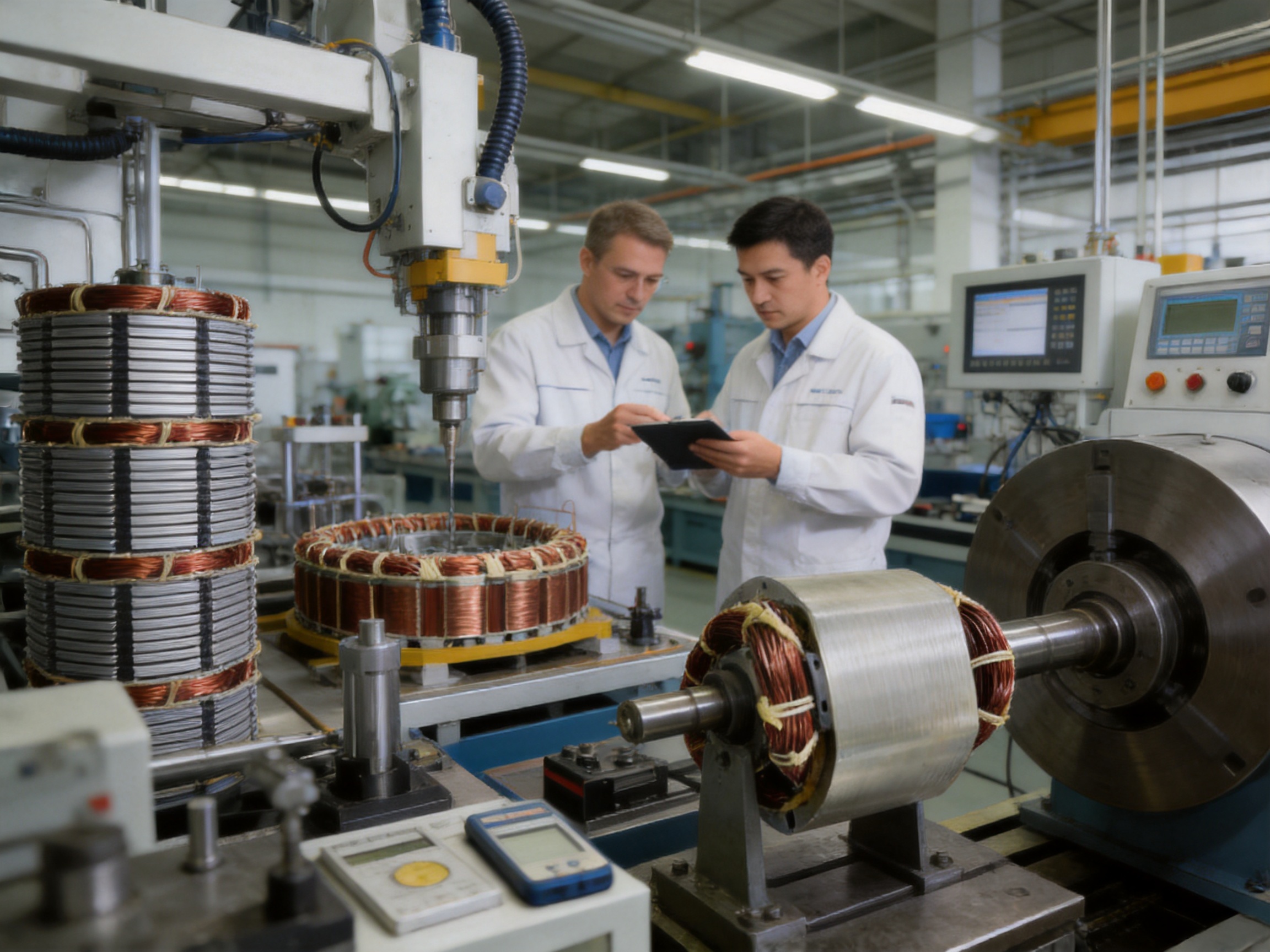
Integrated Manufacturing Strengths
Yongkang Saima Machinery Technology Co., Ltd. is a professional manufacturer associated with cutting machines, power tool motors, motor accessories, and circular saw blades. The company was formerly known as Saima Technology and has developed from a small workshop into a larger production organization focused on research, development, manufacturing, and sales.
The company’s experience began in 2005, and the LESEN brand was created in 2015 after years of development. Its product scope includes metal cutting machines, cut-off machines, aluminum sawing machines, angle grinders, wall planing machines, cutting machine motor accessories, and circular saw blades.
This product range provides an important manufacturing advantage. A supplier that works with complete machines and motor accessories can better understand how individual components influence the finished equipment. The stator and rotor are not produced in isolation; their performance must support the machine’s cutting action, power transmission, cooling, safety, and service requirements.
The company reports six main production lines, custom production capabilities, advanced production and laboratory equipment, and a 30,000-square-meter intelligent production factory. These resources support larger-scale production and provide a foundation for repeatable manufacturing. They are also valuable when customers require customized dimensions, private-label production, or product changes based on specific equipment designs.
Another reported strength is the company’s own foundry and processing plant. Integrated capabilities can shorten communication paths and improve control over key production stages. Instead of depending entirely on unrelated subcontractors, the manufacturer can coordinate design, casting or forming, machining, assembly, inspection, and delivery more efficiently.
More than 20 years of industry experience also contribute to practical problem solving. Motor production involves many details that may not be obvious from a product drawing, including fit relationships, heat behavior, vibration sources, assembly sequence, and field-service requirements. Experience helps engineers identify these factors earlier in the development process.
Research, Development, and Customization
Different cutting machines and power tools may require different motor dimensions, winding arrangements, output levels, shaft interfaces, and cooling methods. A standard component is suitable only when it matches the complete motor design. For customers developing a new product or replacing an existing supplier, customization may be necessary.
The manufacturer’s research and development capabilities support discussions about new products and modified components. Customers may provide drawings, samples, target specifications, or complete machine information. The technical team can then review the project and determine the most appropriate production approach.
Customization may involve dimensional changes, winding adjustments, shaft configuration, material selection, packaging, labeling, or production quantities. Any modification should be confirmed through technical documentation and sample approval before mass production.
Effective customization is not simply a matter of changing one dimension. The manufacturer must consider how a change affects magnetic performance, heat generation, strength, balance, assembly, and final machine behavior. A professional engineering process helps ensure that the customized product remains reliable rather than merely fitting physically.
Supply Capacity and International Service
For overseas buyers, production capacity and communication are as important as component quality. Delayed deliveries can interrupt assembly schedules, while unclear technical communication can result in incorrect products. A supplier with established production lines and export experience can provide more dependable order coordination.
The company reports trade coverage in more than 35 countries and regions, along with 24-hour service response. International customers may benefit from support with product selection, quotations, order confirmation, production updates, shipping coordination, and after-sales communication.
Large-scale production capability can also support different purchasing models. Small and medium-sized customers may need regular replenishment, while larger manufacturers may require scheduled batch production. The supplier should clarify minimum order quantities, lead times, packaging requirements, inspection standards, and payment terms during the quotation stage.
Competitive cost is another reported advantage. However, cost should be evaluated together with reliability, production capacity, customization support, and quality control. A stable supply partner can help customers reduce total procurement risk even when several suppliers offer similar initial prices.
Quality and Inspection Considerations for Buyers
Before purchasing the 0035 motor accessories, buyers should confirm that the component matches the intended motor. Important information may include the stator outer diameter, stack height, rotor diameter, shaft dimensions, shaft length, bearing arrangement, winding data, operating voltage, rated speed, power requirement, and installation structure.
Buyers should also confirm whether the φ44 rotor measurement refers to the core diameter, shaft-related dimension, or another specified feature in the supplier’s technical drawing. Technical terms can vary between manufacturers, so written confirmation is recommended before placing a production order.
For samples, buyers may evaluate fit, no-load current, operating noise, vibration, temperature rise, acceleration, and performance under the intended load. For mass production, customers may request inspection reports or define acceptance criteria in advance.
Packaging is also important. Motor components should be protected from impact, moisture, contamination, and deformation during transport. Rotors and stators may require separators or protective materials to prevent contact damage. Export packaging should be selected according to shipping method, destination, storage duration, and handling conditions.
Installation and Operating Recommendations
Correct installation is essential for achieving the expected performance of any stator and rotor assembly. The motor housing, bearings, shaft, stator, rotor, electrical connections, and cooling structure must be assembled according to the approved design.
The rotor should rotate freely before electrical operation. Any scraping, unusual resistance, or contact between the rotor and stator should be investigated immediately. Such symptoms may indicate incorrect alignment, bearing problems, contamination, deformation, or an incompatible component.
Electrical connections should be checked carefully before energizing the motor. The voltage, frequency, winding connection, and control system must match the motor design. Incorrect electrical conditions may cause overheating or damage even when the mechanical assembly is correct.
During initial testing, operators should monitor noise, vibration, current, temperature, and rotational stability. Testing should begin under safe conditions and progress gradually toward the normal operating load. If abnormal behavior occurs, the motor should be stopped and inspected rather than operated continuously in the hope that the problem will disappear.
Regular maintenance should include cleaning ventilation paths, checking fasteners, inspecting bearings, observing temperature changes, and examining related components such as brushes, commutators, switches, gears, and blades where applicable. A good stator and rotor can support long service life, but the complete machine must be maintained as a system.
Value for Original Equipment Manufacturers
Original equipment manufacturers need components that support both product performance and production efficiency. A stator and rotor supplier should be able to provide consistent dimensions, stable quality, technical communication, and dependable delivery.
The 0035 model can be valuable for manufacturers developing compatible cutting machines and power tools because it offers a defined configuration that can be evaluated, sampled, and integrated into a motor design. The manufacturer’s wider experience with complete cutting equipment can also help customers consider the relationship between the motor and the final machine.
OEM customers may benefit from product customization, coordinated packaging, production planning, and technical support. These services can simplify the transition from prototype to mass production. They can also help maintain consistency when the product is sold in different markets or under different customer labels.
Value for Distributors and Repair Specialists
Distributors require products that are easy to identify, explain, store, and reorder. The model designation 0035 and the Φ72 × 45h stator reference provide useful starting points for product classification. Clear specifications can reduce confusion when several motor accessories have similar appearances.
Repair specialists may use compatible stator and rotor assemblies to restore cutting machines and power tools. Replacing the damaged motor core components can be more economical than replacing an entire machine, particularly when the housing, switch, blade system, and other parts remain serviceable.
Repair businesses should still verify compatibility carefully. A component that fits the housing may not provide the correct electrical or mechanical performance. Model references, technical drawings, samples, and application testing should be used together when selecting a replacement.
Environmental and Lifecycle Benefits
Durable motor accessories can provide environmental benefits by extending the useful life of equipment. When a repairable motor can be restored instead of discarded, the need for a complete machine replacement may be reduced. This can lower material consumption and reduce waste from used equipment.
Energy efficiency also matters over the operating life of the motor. A motor that converts energy effectively may consume less electricity during repeated use. For industrial customers operating many machines, even modest efficiency improvements can become significant over time.
Long service life depends on correct application, maintenance, and operating conditions. Buyers should select a compatible component, avoid excessive overload, and maintain the motor properly to obtain the greatest lifecycle value.
Frequently Asked Questions
What is the 0035 φ72 stator and φ44 rotor?
It is a motor accessory set consisting of a stator and rotor designed for compatible electric motor assemblies. The product is identified as model 0035, with a Φ72 × 45h stator specification and a φ44 rotor configuration.
What equipment can use this motor accessory?
The product is primarily associated with cutting machine motor accessories and may also be suitable for compatible power tools, industrial machinery, and other electric motor applications. Compatibility must be confirmed through complete technical specifications rather than dimensions alone.
Why is stator and rotor precision important?
Precision affects the air gap, alignment, balance, vibration, noise, energy efficiency, torque stability, and temperature of the motor. Inaccurate components may create assembly problems or reduce the service life of the complete motor.
Does the product improve motor efficiency?
A properly designed and accurately manufactured stator and rotor can reduce energy losses and support more effective electromagnetic conversion. Actual efficiency depends on the complete motor design, winding, control system, load, cooling, and operating conditions.
Is the component suitable for heavy-duty cutting?
It is designed to support demanding motor applications and offers advantages such as durability, thermal resistance, stable operation, and low maintenance potential. The complete motor must still be correctly designed for the required cutting load, duty cycle, speed, and cooling conditions.
Can the manufacturer provide customized motor accessories?
The company reports custom production capabilities and research and development support. Customers can discuss customized dimensions, winding requirements, shaft configurations, packaging, and other technical needs with the manufacturer before production.
What information should be supplied when requesting a quotation?
Buyers should provide the intended application, drawings or samples, stator and rotor dimensions, shaft information, voltage, frequency, speed, power, duty cycle, order quantity, packaging requirements, and any required inspection standards. Clear information helps the supplier confirm compatibility and prepare an accurate quotation.
How can a buyer confirm the φ44 rotor specification?
The buyer should request a technical drawing or written specification showing exactly which rotor feature is identified by φ44. This avoids misunderstanding between the rotor core diameter, shaft diameter, and other possible measurements.
What quality checks are useful for incoming goods?
Useful checks may include dimensional inspection, visual examination, winding resistance, insulation condition, rotor balance, fit testing, no-load operation, vibration, noise, current, and temperature behavior. The specific inspection plan should reflect the motor design and customer requirements.
Can these components be used as replacement parts?
They may be used as replacement parts when the dimensions, electrical characteristics, mounting structure, and performance requirements match the original motor. A sample comparison or technical review is recommended before installation.
How does the manufacturer support international customers?
The company reports international trade coverage in more than 35 countries and regions, 24-hour service response, custom production, multiple production lines, and integrated research and manufacturing capabilities. Buyers can contact the supplier for product confirmation, quotation, production planning, and delivery arrangements.
Conclusion
The 0035 motor accessories φ72 stator and φ44 rotor provide a practical foundation for compatible cutting machine motors, power tools, and industrial electric equipment. Their key advantages include efficient energy conversion, stable torque, precise construction, thermal resistance, durability, compact design, and reduced maintenance potential.
These benefits are especially valuable in cutting machines, where motors must handle repeated starts, changing loads, vibration, heat, and long working cycles. A reliable stator and rotor can improve the behavior of the complete motor and help manufacturers deliver equipment with better performance and service life.
The value of this product is strengthened by the manufacturing capabilities of Yongkang Saima Machinery Technology Co., Ltd. The company combines research and development, production, processing, testing, custom manufacturing, multiple production lines, and experience in complete cutting equipment. Its own foundry and processing resources, intelligent factory, international service coverage, and broad product range provide a strong foundation for OEM, wholesale, replacement, and industrial supply requirements.
For the best result, buyers should confirm all technical dimensions and operating requirements before ordering. The Φ72 × 45h stator and φ44 rotor configuration should be checked against the target motor’s housing, shaft, winding, speed, voltage, load, and cooling design. With correct compatibility and professional installation, the 0035 motor accessories can support efficient, stable, and durable motor performance across a wide range of demanding applications.
References
1. Electric Motor Design and Application Principles, technical reference material on stator, rotor, electromagnetic conversion, and motor efficiency.
2. Industrial Motor Manufacturing and Quality Control Practices, reference material on laminations, winding, balancing, machining, insulation, and testing.
3. Power Tool Motor Engineering Guidelines, reference material on compact motor design, thermal management, vibration control, and duty cycles.
4. Cutting Machine Performance and Maintenance Principles, reference material on motor loading, blade resistance, operating safety, and preventive maintenance.
5. Product specification information for the 0035 motor accessories φ72 stator and φ44 rotor, including the Φ72 × 45h stator designation and model 0035.
6. Corporate manufacturing information supplied for Yongkang Saima Machinery Technology Co., Ltd., including production capabilities, product range, research and development, factory resources, customization, and international service.