English
 عربى
عربى

Walk into any window shop, curtain wall plant, or automotive parts line. The saws are cutting aluminum—fast, clean, and accurate. Not wood blades. Not steel blades. Aluminum is different—soft enough to gum up teeth, abrasive enough to dull standard carbide. Behind every reliable cut stands an aluminum cutting saw factory, a place that grinds, sets, and balances blades specifically for non-ferrous metal.
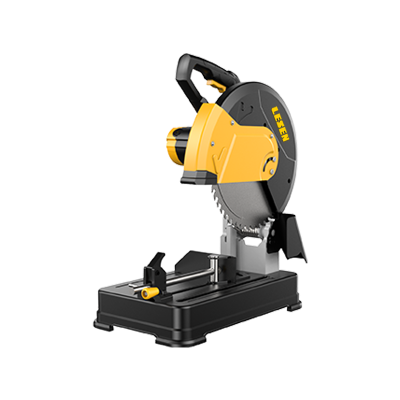
Why Aluminum Needs a Special Saw
Aluminum is sticky, not brittle
It smears and welds to cutting teeth. A wood blade gums up within minutes. An aluminum cutting saw factory grinds teeth with negative or neutral rake angles to shear the material cleanly rather than dragging it.
Heat is the enemy
Aluminum conducts heat rapidly—it goes into the blade, not the chip. An aluminum cutting saw factory uses carbide grades that handle high temperatures and adds expansion slots to prevent warping. Standard blades lose tension and wobble.
What Goes Into the Blade
Carbide tips with the right grade
Micrograin carbide with 6% to 10% cobalt binder resists wear and handles interrupted cuts. An aluminum cutting saw factory selects the grade based on the alloy being cut—6061, 7075, or cast aluminum.
Tooth geometry designed for non-ferrous
Hook angle is typically negative to neutral—minus 5 to zero degrees. Positive rake grabs and digs, causing rough finishes. An aluminum cutting saw factory uses triple-chip or flat-top grind patterns to produce smooth edges.
Expansion slots and tension rings
Heat causes blades to expand unevenly. An aluminum cutting saw factory cuts slots or adds copper plugs to absorb thermal expansion and keep the blade flat.
How the Factory Makes Them
Grinding the carbide tips
Raw carbide blanks are brazed to the steel body, then ground to final geometry on CNC grinders. An aluminum cutting saw factory controls each tooth profile within a fraction of a millimeter.
Balancing the blade
Vibration ruins cuts and damages saws. An aluminum cutting saw factory spins every blade on a balancing machine, removing material from heavy spots until the blade runs true.
Tensioning the body
The steel body is stress-relieved and tensioned—stretched slightly outward—so it stays rigid during rotation. An aluminum cutting saw factory uses specialized hammers or rolling machines for this step.
Types of Aluminum Saws
Cold saws for solid bar and thick plate
Slow-speed, high-torque. These run at 15 to 80 RPM with flood coolant. An aluminum cutting saw factory produces blades with fine-pitch teeth and slightly positive rake for aggressive feeding.
TCT circular saws for extrusions and profiles
High-speed, precision cutting. 3,000 to 5,000 RPM with small coolant. An aluminum cutting saw factory makes these with thin kerfs—2.0 to 3.2 millimeters—to reduce waste on expensive material.
Portable saws for site work
Handheld circular saws for cutting gutter, trim, and framing. An aluminum cutting saw factory produces lightweight blades with expansion slots that reduce kickback.
What to Look For
Tooth count and pitch
Too few teeth cause rough cuts. Too many cause loading and burning. A good aluminum cutting saw factory recommends pitch based on material thickness—finer pitch for thin sheets, coarser for thick sections.
Carbide grade and grind quality
C2 or C4 micrograin carbide is standard. Look for consistent grind marks across every tooth. A reliable aluminum cutting saw factory runs each blade through a quality check on an optical comparator.
Blade runout
Runout must stay under 0.02 millimeters. A serious factory checks each blade on a dial indicator. Excessive runout causes chatter and shortens blade life.
Re-sharpening capability
Blades need service. A aluminum cutting saw factory offers re-grinding and re-tensioning services, extending blade life through multiple sharpening cycles.
A aluminum cutting saw factory produces the blades that turn raw aluminum into finished parts. The good ones control carbide grade, tooth geometry, balancing, and tensioning. They test every blade for runout and offer re-sharpening. The result is a saw that cuts clean, stays cool, and lasts through thousands of cycles. Choose a factory that treats blade-making as precision work—not just sharpening steel.