English
 عربى
عربى

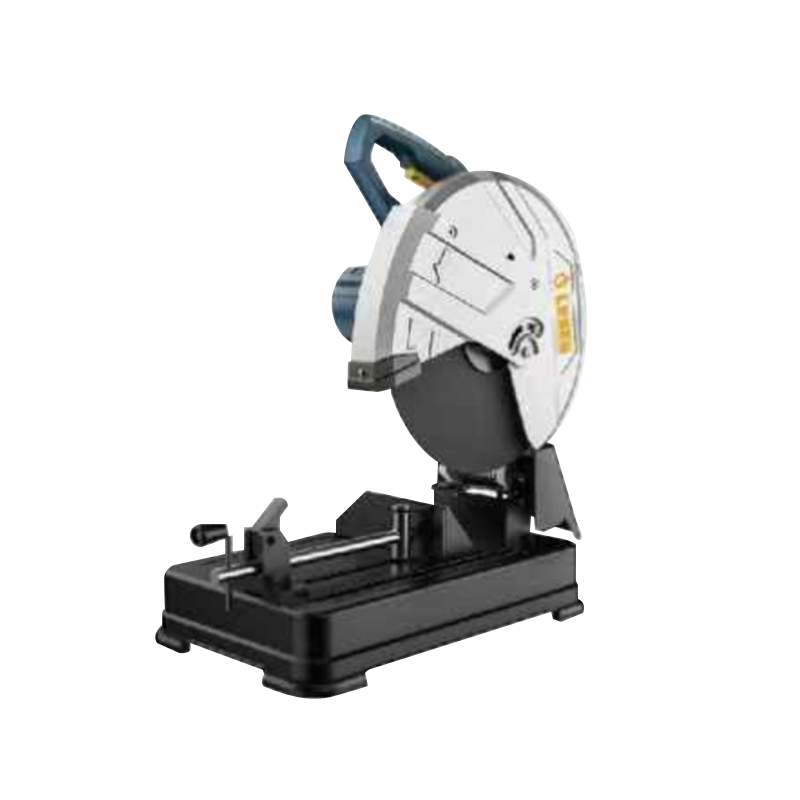
Look at any cutting machine—saw, grinder, or CNC router. Inside the motor sits the stator, the stationary part that generates the rotating magnetic field. Without it, the motor doesn't spin. The blade doesn't turn. The cut doesn't happen. Behind every reliable stator stands a cutting machine motor accessories stator factory, a shop that winds copper, stacks laminations, and insulates layers to produce the electromagnetic heart of cutting equipment worldwide.
What a Stator Actually Does
It creates the rotating magnetic field
Electricity flows through copper windings wrapped around a laminated iron core. That generates a magnetic field that spins the rotor. A cutting machine motor accessories stator factory designs the winding pattern and core geometry to match the motor's speed, torque, and power requirements.
It doesn't move—but it makes everything else move
The stator is fixed to the motor housing. The rotor spins inside it. The interaction between the stator's magnetic field and the rotor's magnets or windings creates rotational force. A cutting machine motor accessories stator factory ensures the stator's magnetic circuit is efficient—no wasted energy, no excess heat.
Why the Stator Matters for Cutting Machines
Cutting motors run under heavy load
Saws and grinders face resistance from dense materials—wood, metal, stone. The stator must deliver consistent torque without overheating. A cutting machine motor accessories stator factory uses high-grade electrical steel and proper cooling channels to handle continuous duty cycles.
Precision affects cut quality
Uneven magnetic fields cause vibration. Vibration means rough cuts, poor finishes, and premature bearing wear. A cutting machine motor accessories stator factory maintains tight tolerances on lamination stacking and winding tension to keep the field balanced.
What Goes Into a Stator
Laminated steel core
Thin sheets of electrical steel—typically 0.35 to 0.5 millimeters thick—are stamped and stacked. A cutting machine motor accessories stator factory uses silicon steel to reduce eddy current losses. The laminations are welded or bonded together, then insulated from each other.
Copper windings
Enameled copper wire is wound into slots around the core. The number of turns and wire gauge determine the motor's electrical characteristics. A cutting machine motor accessories stator factory uses automatic winding machines for consistency—manual winding is only for prototypes or repairs.
Insulation system
Slot liners, phase separators, and impregnating varnish prevent short circuits. A cutting machine motor accessories stator factory applies varnish under vacuum to penetrate all gaps. Poor insulation leads to shorts, burnouts, and motor failure.
How the Factory Produces Them
Stamping the laminations
Electrical steel coils feed into high-speed presses that punch out stator shapes—teeth and slots in a ring pattern. A cutting machine motor accessories stator factory stacks these laminations to the required core length, typically 50 to 200 millimeters depending on motor size.
Winding the coils
Wire is fed through the stator slots in a specific pattern—distributed winding, concentrated winding, or hairpin winding. A cutting machine motor accessories stator factory programs CNC winding machines to pull the correct number of turns and maintain tension. Loose winding causes noise. Over-tight winding damages the enamel.
Connecting and terminating
The winding ends are stripped, twisted, and soldered or welded to lead wires. A cutting machine motor accessories stator factory uses terminal boards or direct connections depending on the motor design. Connections must be secure—loose joints create heat and failure points.
Impregnating and baking
The wound stator is dipped in varnish or resin, then baked to cure. This locks the windings in place and fills voids. A cutting machine motor accessories stator factory controls temperature and time precisely—undercured varnish doesn't protect; over-cured varnish becomes brittle.
Types of Stators for Cutting Machines
Single-phase for smaller tools
Grinders, small circular saws, and drills use single-phase induction motors. A cutting machine motor accessories stator factory produces these with run capacitors for starting torque.
Three-phase for industrial saws and CNC
Larger cutting machines use three-phase motors for smoother power and higher efficiency. A cutting machine motor accessories stator factory wind these for 220V, 380V, or 460V operation depending on regional standards.
Brushless DC for battery-powered tools
Cordless saws and cutters use BLDC motors with permanent-magnet rotors. A cutting machine motor accessories stator factory produces stators with concentrated windings and hall sensor slots for electronic commutation.
What to Look For
Core material quality
Low-grade electrical steel increases losses and heat. A reliable cutting machine motor accessories stator factory uses M19, M27, or M36 grades with specified loss characteristics. Ask for material certificates.
Winding consistency
Resistance and inductance must match within tolerance. A serious factory measures each stator on a winding tester. Inconsistent windings cause unbalanced phases and reduced motor life.
Insulation integrity
Varnish must fill all voids. Factories perform dielectric tests—hi-pot and surge—to confirm insulation strength. Poor insulation means field failures.
Balancing and alignment
The stator bore must be concentric with the housing. A cutting machine motor accessories stator factory uses precision mandrels and alignment fixtures. Off-center stators cause noise, vibration, and bearing wear.
A cutting machine motor accessories stator factory produces the component that turns electrical power into cutting force. The good ones control lamination quality, winding precision, insulation penetration, and dimensional accuracy. They test every unit for resistance, inductance, and dielectric strength. The result is a stator that delivers consistent torque, stays cool under load, and lasts through years of heavy cutting. Choose a factory that builds precision into every winding.