English
 عربى
عربى

Metal fabrication involves cutting. Aluminum profiles. Extrusions. Window frames. Solar panel rails. Without a saw that delivers clean, square cuts, assembly suffers. An aluminum cutting saw factory produces specialized sawing machines designed for non-ferrous metal processing. They cut aluminum without burrs. They hold precise angles. They run quietly compared to steel-cutting machines.
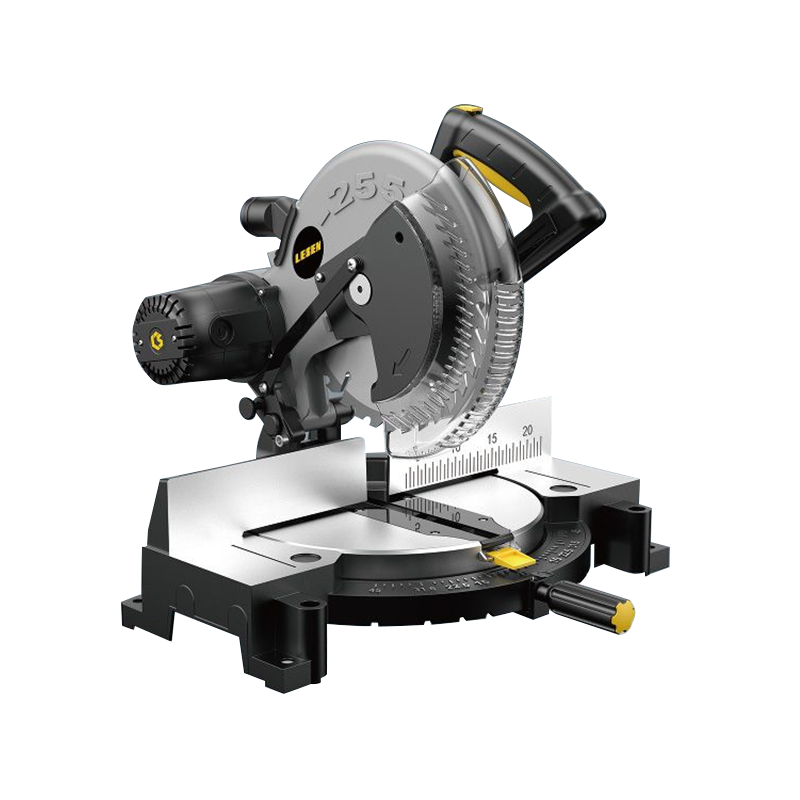
How the Machine Comes Together
It integrates a precision spindle, carbide blade, and rigid frame
An aluminum cutting saw factory starts with a heavy cast iron or welded steel base. A high-speed spindle motor is mounted to a pivoting or sliding carriage. The blade guard, material clamping system, and chip collection port are assembled. The saw is wired, aligned, and test-cut on actual aluminum profiles before shipment.
Spindle and blade selection
Aluminum cuts ideal at high surface speeds with carbide-tipped blades designed for non-ferrous metal. An aluminum cutting saw factory pairs the correct blade diameter, tooth geometry, and RPM range. A spindle that runs true prevents blade wobble and poor finish.
Clamping and material support
Aluminum extrusions are long and flexible. The saw table needs adjustable material stops, pneumatic clamps, and support rollers on both sides. A factory that designs effective clamping prevents the workpiece from lifting during the cut.
Chip containment and safety
Aluminum chips fly fast and far. A full blade guard, a chip collection shroud, and a dust extraction port keep the work area clean. An aluminum cutting saw factory that prioritizes chip management makes the operator's job safer.
Where Low-Quality Saws Show Their Weakness
The cut finish reveals more than a specification sheet ever could
An aluminum cutting saw factory ships machines that operators rely on for hundreds of cuts per day. Burr formation, angle drift, and blade stalling under load are the common failure points. Here is what separates capable equipment from the rest.
Cut surface finish
A quality aluminum cutting saw leaves a smooth, burr-free edge ready for assembly or welding. Rough cuts require secondary filing or sanding. The right blade speed, feed rate, and spindle rigidity combine to produce that finish. A factory that dials in these parameters builds a better saw.
Angle accuracy and repeatability
Window frames and solar mounting rails demand precise miter cuts. If the angle drifts after a few cuts, the assembly line stops. An aluminum cutting saw factory must hold the set angle through thermal changes and production vibration. Detent stops and digital angle readouts help, but the underlying frame rigidity matters more.
Motor performance under load
Pushing too fast bogs down an underpowered motor. The blade stalls. The cut burns. An aluminum cutting saw factory that matches motor power to the rated cutting capacity prevents field frustration. The saw should pull through the material without the operator forcing the feed.
What Keeps a Saw Running for Years
Maintenance access separates a long-term asset from a disposable machine
An aluminum cutting saw factory that thinks about serviceability builds machines that stay productive. Blade changes must be quick. Chip buildup in the guard must be easy to clear. Lubrication points must be accessible.
Blade change simplicity
A dull blade stops production. The arbor nut should be accessible without disassembling guards. Spindle locks and tool-free guard hinges speed up blade changes. A factory that ignores this detail costs the shop valuable cutting time.
Component availability
Saws wear. Belts, bearings, and clamps need replacement. An aluminum cutting saw factory that stocks spare parts and provides clear parts diagrams keeps customer machines running instead of waiting for shipments.
Questions to Test a Supplier's Capability
Price tells one story. Production consistency tells the real one.
A capable aluminum cutting saw factory tests every machine on aluminum before crating. It documents spindle runout and cut accuracy. It offers technical support in the buyer's language. Here is what to investigate before placing an order.
Pre-shipment testing
Ask for a video of the actual machine cutting aluminum at its rated capacity. A factory that refuses this request may be hiding alignment or power issues. A test cut shows the truth.
Production consistency
Visit the factory or send a third-party inspector. Check whether every machine on the line follows the same assembly procedure. An aluminum cutting saw factory with standardized work instructions and inspection checkpoints delivers consistent quality from unit to unit.
An aluminum cutting saw does one job. It cuts metal straight and clean. It takes the daily workload of a busy fabrication shop. It handles long extrusions and precise miter angles without complaint. Choose a factory that builds with a rigid frame, the right spindle speed, and effective material clamping. Your cuts will be clean and your assemblies will fit. That is the contribution of an aluminum cutting saw factory.