English
 عربى
عربى

Construction and renovation projects demand smooth, even wall surfaces. New builds. Residential renovations. Commercial fitouts. Industrial facilities. Without proper surface preparation, painting and plastering results are compromised. A wall planing machine factory produces the equipment that levels and smooths uneven walls. It manufactures machines with adjustable cutting depths and dust extraction systems. It ensures consistent planing results across different substrates. This production capability makes wall preparation faster and finish quality more reliable.
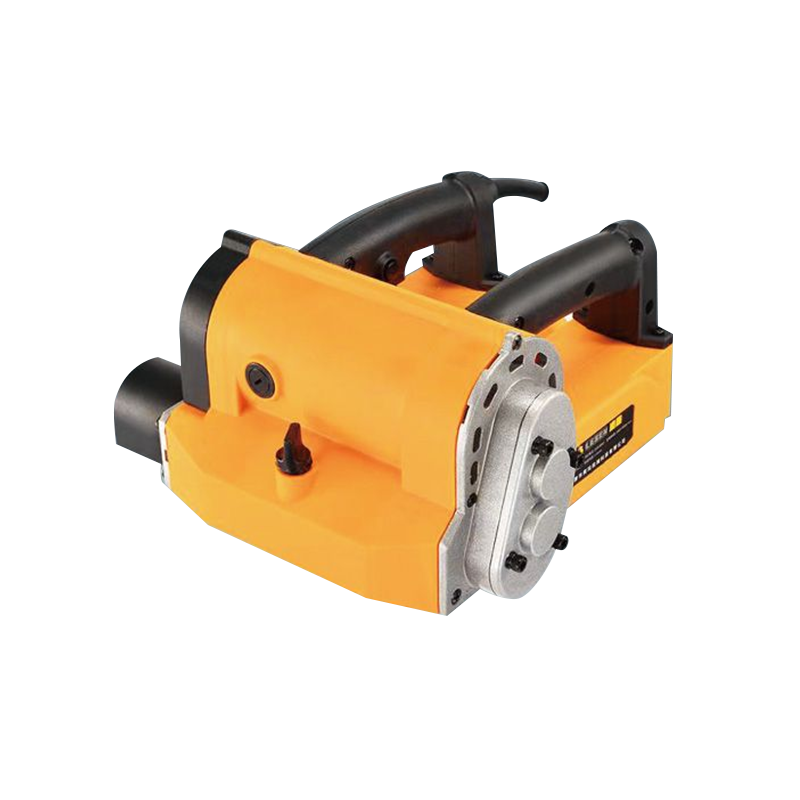
What Wall Planing Machines Do
The machines remove high spots and uneven plaster
Wall surfaces are rarely superbly flat. A wall planing machine uses a rotating cutter head to shave down high areas. The operator guides the machine across the surface. The cutting depth is adjusted. The wall becomes flat. The surface is ready for finishing.
The machines prepare surfaces for painting, wallpaper, or plaster
Proper adhesion requires a uniform substrate. A wall planing machine removes loose material and smooths rough patches. The surface is consistent. The coating adheres properly. The finish lasts longer.
Dust extraction is integrated into the design
Planing generates significant dust. A wall planing machine factory equips machines with dust collection ports. The operator connects a vacuum system. The work area stays clean. Respiratory protection is simplified.
Key Manufacturing Standards for Planing Machines
The cutter head design determines planing quality
Cutter heads use replaceable blades or carbide inserts. A wall planing machine factory manufactures heads with balanced rotor assemblies. The cutting action is smooth. The surface finish is consistent. Vibration is minimized.
The depth adjustment mechanism must be precise
Different surfaces require different cutting depths. A wall planing machine factory uses threaded adjustment systems or graduated stops. The operator sets the depth. The machine removes the correct amount of material. The operator achieves the required finish.
The motor must provide sufficient power for continuous use
Planing is a heavy-duty operation. A wall planing machine factory uses motors rated for extended operation. The power matches the cutting width and depth. The machine does not overheat. Performance is sustained.
Common configurations for wall planing machines:
- Cutting widths: 150mm, 200mm, 250mm
- Motor power: 1200W to 2000W
- Cutting depth: 0.5mm to 5mm adjustable
- Blade types: tungsten carbide, HSS, replaceable inserts
- Dust extraction: 35mm or 50mm port
- Weight: 4.5kg to 8.5kg
- Voltage: 110V or 230V
Where Wall Planing Machines Are Used
New construction sites
Fresh plaster often has trowel marks and minor imsuperbions. A wall planing machine is used to level large wall areas. The surface is prepared for paint or wallpaper. The finish is professional. The project proceeds.
Renovation and remodeling projects
Older walls have layers of paint and uneven plaster. A wall planing machine removes the top layer. The surface is brought back to a flat condition. The new finish adheres properly. The renovation looks fresh.
Commercial interior fitouts
Office and retail spaces require smooth wall surfaces. A wall planing machine is used before painting or wallcovering installation. The machine works quickly. The surface is consistent. The final appearance is clean.
Industrial facility maintenance
Factories and warehouses have walls damaged by impacts. A wall planing machine levels repaired areas. The surface is prepared for protective coatings. The facility looks maintained. The work environment improves.
Key Specifications for Wall Planing Machines:
- Cutting widths from 150mm to 250mm
- Motor power from 1200W to 2000W
- Adjustable cutting depths from 0.5mm to 5mm
- Tungsten carbide or HSS blade options
- Dust extraction ports of 35mm or 50mm
- Machine weights from 4.5kg to 8.5kg
- Available in 110V or 230V configurations
What to Evaluate When Selecting a Wall Planing Machine
The cutting width must suit the application
Wider heads cover more area faster. A wall planing machine should be selected for the project size. Narrower heads access tight spaces. The machine suits the job.
Dust extraction compatibility is essential for indoor use
Planing creates significant dust. A wall planing machine must connect to an effective vacuum system. The dust port matches the vacuum hose. The work area remains clean.
Blade availability and replacement cost must be considered
Blades wear and require replacement. A wall planing machine should use commonly available blades. The cost per blade is reasonable. The machine remains economical to operate.
Vibration control affects operator comfort
Extended planing causes operator fatigue. A wall planing machine should be evaluated for vibration levels. The machine is comfortable to use. Productivity is maintained.
A wall planing machine factory produces equipment that transforms uneven surfaces into smooth substrates. But the machine determines whether wall preparation takes days or hours. It decides whether the final finish looks professional or shows imsuperbions. Choose a machine with appropriate cutting width, adequate power, effective dust extraction, and comfortable handling. Your surfaces will be flat. Your finishes will look better. That is the purpose of a wall planing machine factory. To make surface preparation efficient and effective.