English
 عربى
عربى

Metal fabrication demands accuracy, speed, and repeatability. Manufacturing plants. Construction sites. Maintenance workshops. Steel service centers. Without reliable cutting equipment, production slows and material waste increases. A professional industrial metal cutting machine delivers the performance required for high-volume and high-precision applications. It provides consistent cut quality across various metal types and thicknesses. It reduces material waste and improves workplace safety. It makes fabrication processes more efficient and product quality more predictable.
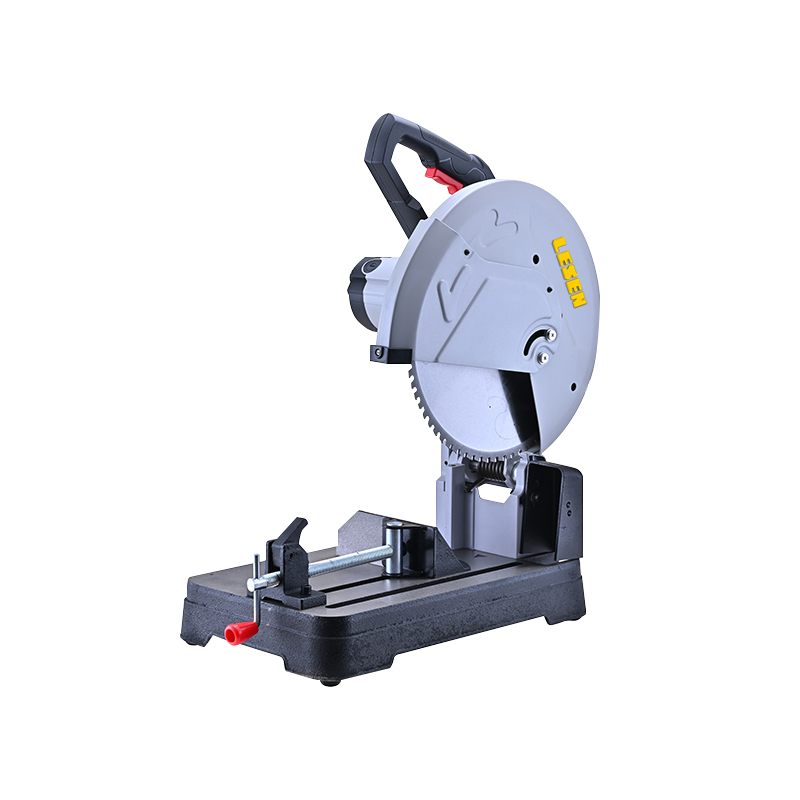
Understanding the Different Cutting Technologies
Mechanical shearing uses straight blades for clean, square cuts
Shearing is ideal for plate and sheet materials. A professional industrial metal cutting machine uses hydraulic or mechanical force to drive a moving blade past a fixed blade. The metal is cut without heat or sparks. The edge remains square and clean. No secondary finishing is required.
Plasma cutting uses ionized gas for thick and conductive materials
Thick steel plates require high-energy cutting. A professional industrial metal cutting machine uses a plasma torch that ionizes compressed air or gas. The arc melts through the metal. The cut is fast and narrow. Thick plates are processed efficiently.
Laser cutting provides exceptional precision for thin and medium materials
Complex shapes and tight tolerances are required in many applications. A professional industrial metal cutting machine uses a focused laser beam to vaporize metal along the cut line. The cut is precise and smooth. The heat-affected zone is small. Intricate shapes are achieved.
Oxy-fuel cutting is used for very thick carbon steel plates
Heavy structural sections require powerful cutting methods. A professional industrial metal cutting machine with oxy-fuel capability uses a preheat flame and oxygen jet to cut carbon steel. The process is simple and economical. Thicknesses up to 300mm are handled.
Key Features of Professional-Grade Cutting Machines
The frame and bed provide rigidity for accurate cuts
Machine rigidity determines cut accuracy. A professional industrial metal cutting machine uses heavy-duty welded steel frames and precision-machined beds. The structure resists deflection under load. The cut quality remains consistent. The machine holds tolerances over years of service.
The drive system ensures smooth and accurate motion
Movement must be controlled precisely. A professional industrial metal cutting machine uses rack-and-pinion drives or ball screws with servo motors. The motion is smooth and responsive. Positioning accuracy is maintained. The cut path is accurate.
The control system stores and executes complex cutting programs
Modern cutting requires programmable operation. A professional industrial metal cutting machine is equipped with CNC controllers. The operator loads cutting patterns. The machine executes the program automatically. Production is consistent. Material yield is improved.
Typical specifications for industrial metal cutting machines:
- Cutting methods: shearing, plasma, laser, oxy-fuel
- Cutting thickness: 0.5mm to 300mm depending on method
- Bed size: 2m x 1m to 12m x 3m
- Cutting speed: up to 30m/min for plasma, higher for laser
- Positioning accuracy: ±0.1mm
- Power requirements: 200V to 480V, three-phase
- Control system: CNC with industrial PC interface
- Automation options: material handling, nesting software, robotic integration
Where Industrial Cutting Machines Are Deployed
Heavy equipment manufacturing
Excavators, bulldozers, and cranes require large steel components. A professional industrial metal cutting machine cuts plates for booms, chassis, and buckets. The machine handles thick materials. The parts fit together precisely. The equipment is built to last.
Automotive and transportation production
Vehicle frames and body panels require high-volume cutting. A professional industrial metal cutting machine is used for blanking and trimming operations. The machine delivers consistent parts. The production line runs efficiently. The vehicles meet quality standards.
Construction and structural steel fabrication
Building frames and bridges use beams and plates. A professional industrial metal cutting machine cuts steel sections to length. The machine creates copes and notches. The steel arrives ready for welding. The construction schedule is maintained.
Aerospace and defense manufacturing
Precision components require tight tolerances. A professional industrial metal cutting machine with laser capability cuts alloys and exotic metals. The cut is accurate. The material is used efficiently. The quality requirements are met.
Maintenance and repair operations
Industrial facilities maintain equipment with replacement parts. A professional industrial metal cutting machine in the maintenance shop fabricates custom components. The machine cuts the required shapes. Repairs are completed quickly. Downtime is minimized.
Common specifications for industrial metal cutting machines include cutting thickness ranges from 0.5mm to 300mm depending on the method, bed sizes from 2m x 1m to 12m x 3m, cutting speeds up to 30m/min for plasma and higher for laser, positioning accuracy of ±0.1mm or better, power requirements of 200V to 480V three-phase, and advanced CNC control systems with industrial PC interfaces.
What to Look for in a Cutting Machine
Cutting method must match the material type and thickness
Different metals require different cutting methods. A professional industrial metal cutting machine should be selected based on the primary materials. The machine handles the required thickness. The cut quality meets the specification.
Automation features affect productivity
Material handling and part nesting reduce labor. A professional industrial metal cutting machine should be evaluated for automation options. The machine integrates with material handling systems. The production flow is optimized.
Service and support availability must be confirmed
Cutting machines require maintenance. A professional industrial metal cutting machine should be backed by local service. Parts are available quickly. Training is provided. The machine remains operational.
Power consumption and operating costs affect long-term value
Different cutting methods have different operating costs. A professional industrial metal cutting machine should be evaluated for overall cost of ownership. Consumables and power consumption are considered. The machine offers value over its life.
A professional industrial metal cutting machine is an investment in production capability. But it determines whether fabrication operations meet quality standards consistently or struggle with material handling and processing. It decides whether production schedules are met or delayed by cutting bottlenecks. Choose a machine with the correct cutting method, appropriate automation, reliable service support, and manageable operating costs. Your metal parts will be accurate. Your production will be efficient. That is the value of a professional industrial metal cutting machine. To make metal fabrication precise and productive.