English
 عربى
عربى

Manufacturing operations require clean, accurate cuts for raw materials. Bar stock. Tubes. Profiles. Sheets. Without precise cutting, components do not fit, and assembly becomes problematic. A precise cut off machine delivers the accuracy required for sizing operations. It provides consistent cut lengths with small burr formation. It reduces material waste and secondary processing. It makes downstream manufacturing more efficient and product quality more consistent.
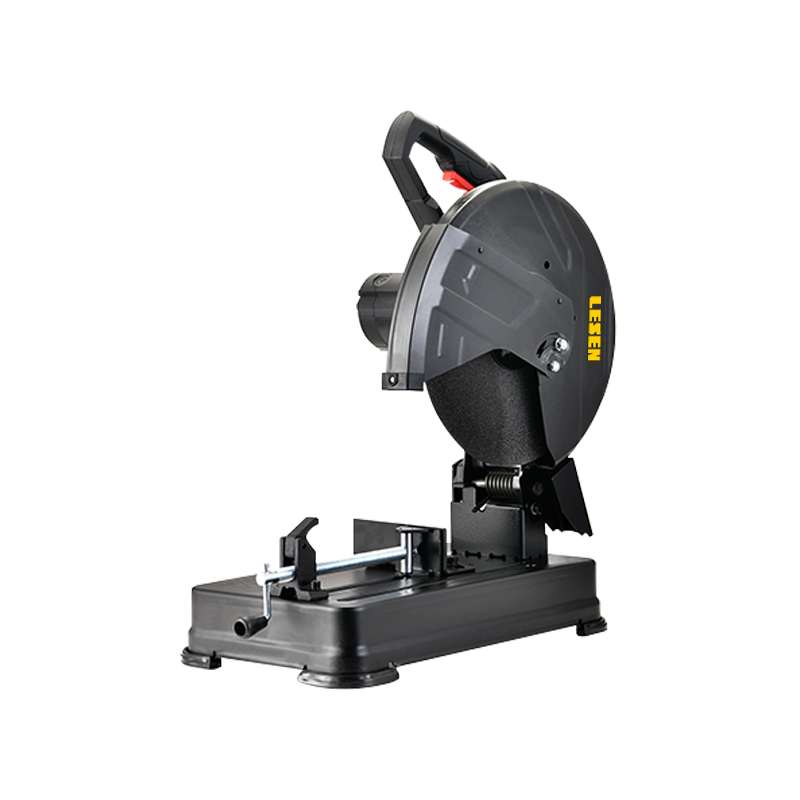
How Cut Off Machines Achieve Precision
The clamping system holds the material firmly during cutting
Movement during cutting causes inaccuracies. A precise cut off machine uses pneumatic or hydraulic clamps to secure the workpiece. The material does not shift. The cut is straight. The length is accurate.
The blade or wheel is guided accurately into the material
Blade deflection creates angled cuts. A precise cut off machine has rigid spindle assemblies with precision bearings. The cutting tool follows a fixed path. The cut face is square. The part meets specifications.
The feed mechanism controls the cutting speed
Speed affects cut quality and tool life. A precise cut off machine uses controlled feed rates matched to the material. The cut is smooth. Burr formation is minimized. Tool wear is optimized.
Key Design Features of Precise Cut Off Machines
The machine bed provides a stable foundation
Stability is essential for accuracy. A precise cut off machine is constructed with a rigid cast iron or welded steel base. The bed dampens vibration. The machine remains stable during heavy cuts. Accuracy is maintained.
The cutting head design determines rigidity
The cutting head houses the spindle and blade. A precise cut off machine has a robust head casting with precision spindle bearings. The cutting force is transferred without deflection. The cut is accurate. The alignment is maintained.
Coolant and lubrication systems extend tool life and improve cut quality
Heat and friction reduce blade life and affect cut quality. A precise cut off machine includes coolant delivery to the cutting zone. The blade stays cool. Chips are washed away. The cut is smooth.
Common specifications for precise cut off machines:
- Cutting capacity: 10mm to 200mm diameter
- Blade diameter: 250mm to 600mm
- Cutting speed: adjustable from 20 to 120 rpm
- Motor power: 2.2kW to 15kW
- Feed types: manual, semi-automatic, fully automatic
- Control: PLC with touchscreen interface
- Clamping pressure: 4MPa to 8MPa
- Tolerance: ±0.05mm to ±0.15mm
Where Precise Cut Off Machines Are Used
Automotive parts manufacturing
Shafts, pins, and tubes require accurate length cutting. A precise cut off machine is used in high-volume production lines. The machine cuts thousands of pieces per shift. The length variation is small. The parts feed directly to CNC lathes.
Aerospace component production
Critical parts require exact dimensions. A precise cut off machine is used for titanium, aluminium, and specialty alloys. The cut is accurate and clean. Material waste is minimized. The parts meet specifications.
Metal service centers
Distributors supply cut-to-length materials. A precise cut off machine is used for processing bar and tube orders. The machine cuts to specified lengths. The customer receives accurate parts. Waste is reduced.
Industrial maintenance and repair
Workshops need to cut replacement parts. A precise cut off machine provides accurate sizing for repair jobs. The machine is versatile. The parts are made quickly. The equipment returns to service.
Precise cut off machines are available with various capacities and features. Standard configurations include cutting diameters from 10mm to 200mm, blade sizes from 250mm to 600mm, cutting speeds from 20 to 120 rpm, power ratings from 2.2kW to 15kW, and tolerances from ±0.05mm to ±0.15mm.
Factors to Consider When Selecting a Cut Off Machine
The cutting capacity must match the workpiece dimensions
The machine must handle the largest workpiece. A precise cut off machine should be specified for the big diameter and length. The machine accommodates the parts. The operation is efficient.
The automation level affects production efficiency
Manual loading is suitable for low volumes. A precise cut off machine with automatic loading and unloading handles high production. The machine operates with small operator attention. Productivity is increased.
Blade selection affects cut quality and tool life
Different materials require different blade specifications. A precise cut off machine should be used with the correct blade type. The blade matches the material. Cut quality is optimized. Blade life is extended.
The machine must be configured for the required length accuracy
Different parts have different tolerance requirements. A precise cut off machine should be selected for the required accuracy. The machine delivers the tolerance. The parts are accepted. Rework is avoided.
A precise cut off machine is a fundamental piece of production equipment. But it determines whether downstream manufacturing receives accurate blanks or parts requiring additional processing. It decides whether material yield is optimized or wasted. Choose a machine with sufficient capacity, appropriate automation, correct blade selection, and required accuracy. Your parts will be accurate. Your production will be efficient. That is the purpose of a precise cut off machine. To size materials precisely and productively.