English
 عربى
عربى

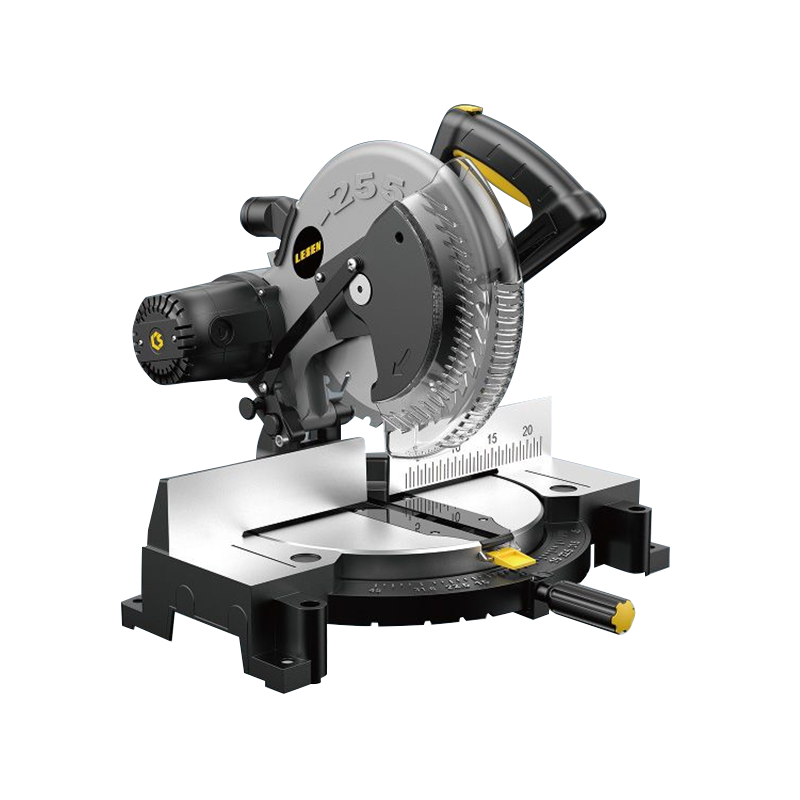
Aluminum fabrication requires specialized cutting equipment. Window frames. Automotive parts. Aerospace components. Building facades. Without proper sawing technology, aluminum cuts are rough, burred, and imprecise. An industrial aluminum sawing machine delivers the performance required for non-ferrous metal processing. It provides high-speed cutting with small heat-affected zones. It produces clean, burr-free edges ready for welding or assembly. It makes aluminum fabrication faster and product quality more consistent.
Why Aluminum Requires Specialized Sawing Equipment
Aluminum is soft and tends to clog standard saw blades
The material adheres to cutting edges. An industrial aluminum sawing machine uses blades with specially designed tooth geometry. The teeth clear chips efficiently. The blade does not clog. The cut remains clean.
Aluminum expands with heat, affecting cut accuracy
Thermal expansion causes dimensional changes. An industrial aluminum sawing machine incorporates cooling systems that control blade temperature. The material stays cool. The cut remains accurate. Tolerances are maintained.
Aluminum requires higher cutting speeds than steel
Productivity depends on cutting speed. An industrial aluminum sawing machine operates at higher blade speeds. The feed rate is optimized for the material. The machine cuts quickly. Production output increases.
Key Design Features for Aluminum Cutting
The blade drive system provides high RPM for aluminum cutting
Standard saws operate at lower speeds. An industrial aluminum sawing machine features direct-drive or belt-driven spindles. The blade speed reaches 3000 to 5000 RPM. Aluminum is cut efficiently. Surface quality is outstanding.
The saw blade uses carbide-tipped or solid carbide teeth
Carbide maintains sharpness when cutting aluminum. An industrial aluminum sawing machine uses blades with carbide tips. The tips resist wear. The blade stays sharp. Cut quality is maintained over time.
The machine includes a chip removal system
Aluminum chips are fine and can accumulate. An industrial aluminum sawing machine has chip conveyors or extraction ports. Chips are removed from the cutting zone. The work area stays clear. Operation continues without interruption.
The clamping system holds the workpiece firmly
Aluminum sections can vibrate during cutting. An industrial aluminum sawing machine uses pneumatic or hydraulic clamping. The workpiece is secured. The cut is square. The surface is smooth.
Typical specifications for industrial aluminum sawing machines:
- Cutting capacity: 100mm x 200mm to 300mm x 500mm
- Blade diameter: 350mm to 700mm
- Blade speed: 3000 to 5000 RPM
- Motor power: 3kW to 15kW
- Feed type: pneumatic, hydraulic, or servo-controlled
- Control: PLC with programmable cutting cycles
- Features: automatic material measurement, chip extraction, blade lubrication
- Tolerance: ±0.1mm on cut length
Where Industrial Aluminum Sawing Machines Are Used
Window and door profile manufacturing
Extruded aluminum profiles require precise cutting. An industrial aluminum sawing machine is used for cutting frames and sashes. The cuts are clean and square. The profiles assemble superbly. The windows seal properly.
Automotive component production
Aluminum parts need accurate sizing. An industrial aluminum sawing machine is used for cutting bars and tubes. The parts feed to CNC machining centers. The lengths are consistent. The components meet specifications.
Aerospace parts manufacturing
High-performance applications demand precision and quality. An industrial aluminum sawing machine cuts aircraft-grade aluminum. The cut surface is burr-free. The material is used efficiently. Inspection is passed.
Heat sink and electronic enclosure production
Heat sinks require precise length cutting. An industrial aluminum sawing machine cuts extruded profiles to length. The cuts are clean. The heat sinks fit the assemblies. The cooling performance is ensured.
Industrial aluminum sawing machines are offered in various configurations. Standard features include cutting capacities from 100mm x 200mm to 300mm x 500mm, blade diameters from 350mm to 700mm, blade speeds from 3000 to 5000 RPM, motor powers from 3kW to 15kW, and cut length tolerances of ±0.1mm.
What to Consider When Selecting an Aluminum Sawing Machine
Blade diameter must match the largest profile size
The blade must be large enough to cut the widest profile. An industrial aluminum sawing machine should have a blade that fully penetrates the workpiece. The cut is complete. The blade is not overloaded.
Cutting speed and feed rate must be optimized for the alloy
Different aluminum alloys behave differently. An industrial aluminum sawing machine should have adjustable speed and feed controls. The operator sets the parameters. The cut is optimized. The blade lasts longer.
Chip removal and coolant management are important for continuous operation
Aluminum cutting generates chips and heat. An industrial aluminum sawing machine should have effective chip evacuation and cooling. The machine runs continuously. Production is not interrupted.
The machine should support downstream automation
Integration with handling systems improves efficiency. An industrial aluminum sawing machine should be compatible with material handling equipment. The machine operates in a production line. Labor costs are reduced.
An industrial aluminum sawing machine is essential for non-ferrous cutting operations. But it determines whether aluminum fabrication achieves productivity targets or struggles with slow speeds and poor cut quality. It decides whether weld joints fit properly or require rework. Choose a machine with appropriate blade speed, effective cooling, reliable chip removal, and integrated automation options. Your aluminum parts will be clean and precise. Your production will run smoothly. That is the purpose of an industrial aluminum sawing machine. To optimize aluminum cutting operations for quality and throughput.