English
 عربى
عربى

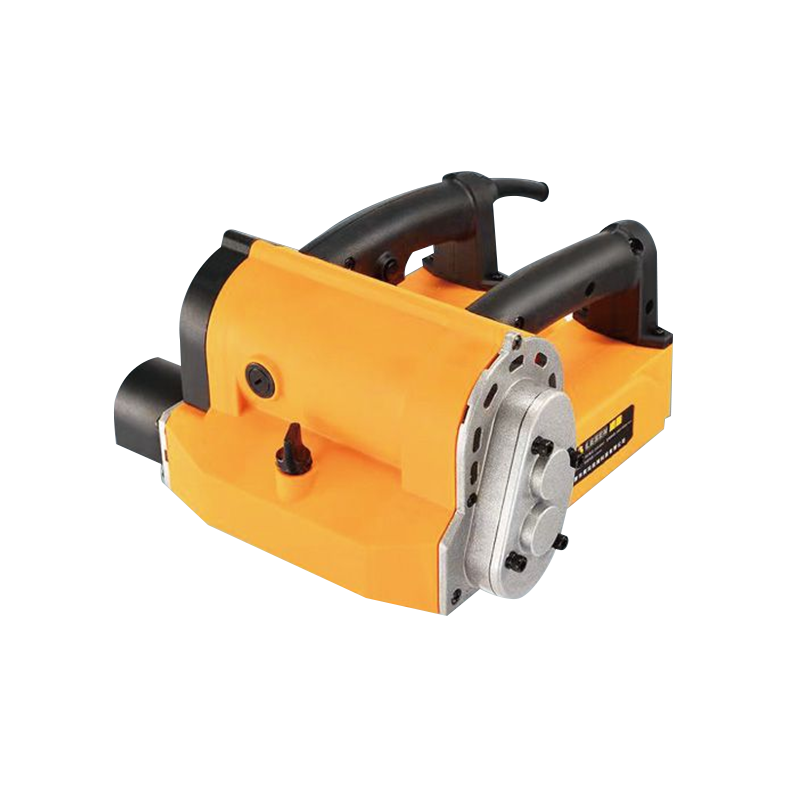
When people think about renovation, they often picture paint colors, lighting choices, and new flooring. Yet before any decorative layer is added, wall surfaces need to be even, stable, and clean. This is where a Wall Planing Machine plays a surprisingly important role. Rather than being just another construction tool, it has gradually become a practical solution for improving efficiency, reducing labor strain, and reshaping how contractors approach surface preparation.
Rethinking Surface Preparation
In traditional renovation projects, wall preparation often involves manual scraping, grinding, or sanding. These tasks are repetitive and physically demanding. In older buildings, uneven plaster, concrete bumps, and residual coatings can slow down progress significantly.
A Wall Planing Machine is designed to remove irregular layers from concrete or plaster surfaces in a controlled way. Instead of chipping away material randomly, it shaves the wall surface evenly. This creates a more consistent base for painting, tiling, or insulation panels.
The change may seem technical, but it directly affects workflow. Crews can move to finishing stages sooner because the surface quality is more predictable. That reliability helps with scheduling, especially on commercial projects where time coordination matters.
Not Just for Demolition
Some assume such equipment is mainly for heavy-duty demolition. In reality, the Wall Planing Machine sits somewhere between demolition and finishing. It removes material precisely without damaging the structural layer beneath.
For example:
- Renovating aging apartments: Old paint layers and uneven plaster can be stripped away before repainting.
- Preparing walls for large-format tiles: Even minor bumps can affect alignment.
- Industrial refurbishment: Warehouses and factories often require smooth surfaces for coatings or insulation upgrades.
In these cases, using a Wall Planing Machine reduces the need for excessive patching later. That balance between removal and preservation makes it adaptable across different project scales.
Impact on Labor and Safety
Construction labor shortages are an ongoing issue in many regions. Tools that reduce physical strain can make a noticeable difference. Operating a Wall Planing Machine still requires skill, but it replaces hours of manual hammering or sanding with a more streamlined process.
There are also safety considerations. Modern machines are often equipped with dust extraction systems. Controlling airborne particles helps protect workers and reduces cleanup time. On renovation sites where occupants remain nearby, dust management becomes especially important.
While no machine eliminates risk entirely, organized surface removal is generally more predictable than manual chipping, which can create flying debris or accidental over-cutting.
Adapting to Different Project Scales
One reason the Wall Planing Machine has gained attention is its versatility. Compact models suit residential remodeling, while larger units handle extensive commercial walls.
Small renovation teams appreciate equipment that fits into elevators or narrow hallways. On the other hand, infrastructure projects—such as parking structures or public buildings—benefit from higher-capacity machines that can cover large areas efficiently.
This adaptability allows contractors to standardize certain processes across project types. Instead of switching between multiple manual methods, they can rely on a consistent mechanical approach.
Balancing Cost and Long-Term Value
Every equipment purchase raises cost questions. A Wall Planing Machine represents an upfront investment, and contractors must consider maintenance, training, and storage.
However, looking at long-term value tells a broader story. Faster preparation can shorten project timelines. Reduced need for patch repairs may lower material consumption. Fewer labor hours spent on physically intensive tasks can improve team allocation.
For companies handling frequent renovation work, these cumulative factors can offset initial expenses. The key lies in matching machine capacity to actual workload rather than over-investing in unnecessary features.
Changing Client Expectations
Interestingly, tools like the Wall Planing Machine also influence client expectations. When project timelines become more predictable, customers begin to expect smoother coordination and fewer delays.
Clearer communication about surface preparation methods can build trust. Instead of vague descriptions like “wall treatment,” contractors can explain the mechanical process and its benefits. Transparency around technique often reassures property owners that structural integrity remains intact.
As building standards evolve and sustainability discussions grow, controlled material removal also aligns with responsible renovation practices. Removing only what is necessary avoids unnecessary waste.
A Quiet Shift in Renovation Culture?
The construction industry rarely changes overnight. Instead, gradual improvements in tools and methods reshape daily routines. The Wall Planing Machine may not be visible once a project is finished, but its influence is embedded in smoother walls and streamlined workflows.
By bridging the gap between demolition and finishing, it offers a practical approach to modern surface preparation. For contractors navigating tighter schedules, labor challenges, and rising quality expectations, that balance matters.
So, can a Wall Planing Machine redefine interior renovation workflows? Perhaps not dramatically, but steadily—through better consistency, safer operations, and more predictable outcomes.