English
 عربى
عربى

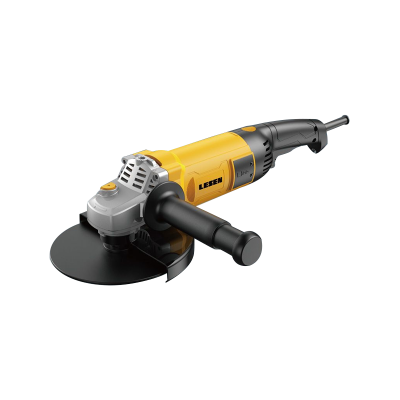
When people hear the term Angle Grinder Factory, they often imagine rows of machines, sparks flying, and workers assembling metal housings. But behind that image lies a more dynamic story. Today, an Angle Grinder Factory is not just about producing tools; it is about shaping how workshops, construction sites, and even home garages function. As demands shift and users look for practical, adaptable equipment, factories must rethink how they design, test, and deliver their products.
An angle grinder is one of those tools that moves easily between tasks. It cuts steel bars on a construction site in the morning and smooths weld seams in a small fabrication shop by afternoon. Because of this range, an Angle Grinder Factory has to pay close attention to real working conditions.
Instead of focusing only on speed or power, many factories now observe how tools are held, how long they are used continuously, and what kind of dust or debris surrounds them. These details shape decisions about grip texture, ventilation slots, and switch placement. Workers care about balance and comfort as much as raw performance. A factory that listens to this feedback often builds tools that feel natural in the hand.
From Raw Material to Reliable Tool
Inside an Angle Grinder Factory, production usually begins with sourcing steel, aluminum, copper wire, and electronic components. The quality of these materials directly affects durability. Motor windings must handle repeated heating and cooling. Gear systems need steady engagement without unusual vibration.
Manufacturing is typically divided into clear stages:
- Component machining – shaping gears, shafts, and housings
- Motor assembly – installing armatures and field coils
- Electrical integration – connecting switches, carbon brushes, and safety features
- Final testing – checking rotation speed, noise level, and temperature rise
What makes a factory stand out is not flashy claims, but consistent process control. Regular inspection and small adjustments prevent large defects later. When an Angle Grinder Factory builds its workflow around steady improvement, it reduces downtime for end users.
Small Changes, Practical Impact
Innovation does not always mean dramatic redesign. In many cases, it involves small but thoughtful refinements. For example, adding a soft-start function can reduce sudden torque at startup. Reinforcing airflow paths may help keep internal parts cooler during long sessions. Even subtle changes in guard adjustment mechanisms can make daily use smoother.
An Angle Grinder Factory that encourages engineers to work closely with assembly teams often discovers these improvements. Operators on the production line notice recurring issues before anyone else. When their observations are taken seriously, adjustments happen faster.
Adapting to Different Markets
The needs of a metal workshop in North America may differ from those of a construction crew in Southeast Asia. Voltage standards, safety regulations, and preferred disc sizes vary. This means an Angle Grinder Factory serving international buyers must design flexible production lines.
Modular assembly systems allow different motors, plugs, or casings to be combined without slowing down output. Clear documentation and traceable batch records also help when products are shipped across borders. Instead of producing one rigid model, factories that stay adaptable are better prepared for changing orders.
Sustainability in Daily Operations
Tool manufacturing inevitably involves energy use and material waste. However, factories can reduce impact through practical steps. Recycling metal scraps, improving motor efficiency, and using durable packaging all contribute to a more responsible process.
Some Angle Grinder Factory managers also invest in dust collection systems that protect workers’ health while keeping the facility cleaner. Though these steps may seem internal, they influence brand reputation over time. Buyers increasingly ask about working conditions and environmental practices, not just price.
Beyond Production: Building Long-Term Partnerships
A factory's role does not end when a shipment leaves the warehouse. Technical support, spare parts supply, and warranty handling shape long-term relationships. Distributors often rely on the factory for training materials and troubleshooting guidance.
When communication channels remain open, feedback cycles become shorter. Field reports about gear wear or switch durability can guide future revisions. Over time, this exchange builds trust between the factory and its clients.
Rethinking What a Factory Represents
So, can an Angle Grinder Factory become a creative engine for modern workshops? The answer depends less on marketing language and more on mindset. When a factory pays attention to daily user habits, refines processes patiently, and stays flexible in production, it contributes directly to safer and more efficient work environments.
In the end, a factory is not just a place where tools are assembled. It is a hub where engineering decisions meet practical experience. As long as that connection remains strong, the tools leaving its doors will continue to support builders, metalworkers, and technicians in their everyday tasks.