English
 عربى
عربى

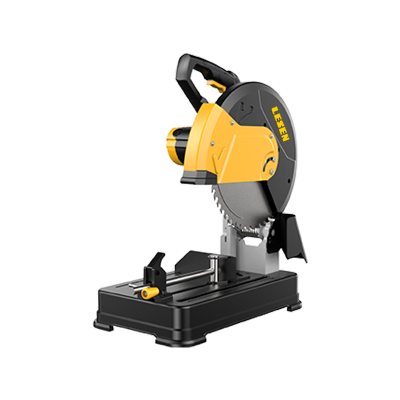
In workshops where sparks once defined the rhythm of the day, a quieter transformation is underway. The Aluminum Cutting Saw is no longer just a supporting machine in metalworking lines. It has become a tool that influences design decisions, production flow, and even how small manufacturers approach custom projects.
Aluminum, with its light weight and corrosion resistance, is used in everything from window frames to electric vehicle components. But working with it requires precision and care. That is where the Aluminum Cutting Saw finds its role—not simply cutting material, but shaping how aluminum is integrated into modern manufacturing.
From Rough Cuts to Clean Edges
Aluminum behaves differently from steel. It is softer, more prone to burr formation, and sensitive to heat buildup. Traditional cutting methods sometimes caused deformation or required extensive finishing work afterward.
An Aluminum Cutting Saw designed specifically for non-ferrous metals addresses these challenges through:
- High-speed blades with fine tooth geometry
- Stable clamping systems that reduce vibration
- Cooling or lubrication features to manage heat
The result is a cleaner edge that often reduces secondary processing. For fabricators, this can mean fewer manual adjustments and more consistent output across batches.
Why Precision Matters More Than Ever
As industries move toward lightweight structures, tolerances are becoming tighter. In curtain wall systems, aerospace brackets, or modular furniture frames, even minor deviations can affect final assembly.
Using an Aluminum Cutting Saw allows operators to maintain dimensional consistency, especially when working with profiles, tubes, or thin-walled sections. Clean, accurate cuts help parts align more smoothly during welding, fastening, or mechanical assembly.
In smaller workshops, this level of reliability supports custom orders. Instead of relying on outsourcing for complex cuts, businesses can handle detailed tasks in-house, shortening turnaround time and improving coordination.
Energy Use and Operational Efficiency
Compared with heavy-duty steel cutting equipment, an Aluminum Cutting Saw often operates with lower power requirements due to the material's lower hardness. While energy savings depend on specific models and usage patterns, many workshops notice smoother operation and reduced strain on machinery.
Maintenance also plays a role in efficiency. When blades are selected appropriately and replaced on schedule, cutting performance remains stable. Consistent chip removal and proper lubrication help extend tool life and maintain surface quality.
Rather than focusing only on speed, many manufacturers now evaluate cutting solutions based on overall workflow impact. A well-matched Aluminum Cutting Saw contributes to stable production without adding unnecessary complexity.
Supporting Sustainable Manufacturing
Sustainability is becoming part of procurement conversations. Aluminum is widely recycled, and clean cutting processes help preserve scrap value. When cuts are precise and burr-free, leftover pieces can often be reused or sent for recycling without additional treatment.
An Aluminum Cutting Saw that produces minimal material distortion supports this cycle. Reduced waste, predictable offcuts, and controlled heat generation all contribute to a more responsible use of resources.
Additionally, quieter operation and controlled debris management improve the working environment. This may not always appear on technical specification sheets, but it influences long-term workplace comfort and safety.
Flexibility for Diverse Applications
The adaptability of aluminum as a material means that cutting equipment must handle a variety of shapes and dimensions. From solid bars to intricate extrusions, versatility is essential.
Modern setups allow adjustments in blade type, feed rate, and clamping configuration. This flexibility makes the Aluminum Cutting Saw suitable for industries such as:
- Construction and architectural fabrication
- Automotive component manufacturing
- Consumer electronics framing
- Renewable energy mounting systems
Instead of dedicating separate machines to each material type, many facilities integrate aluminum-focused cutting stations into broader production lines.
Human Skill Still Matters
Despite technological improvements, operator experience remains critical. Proper alignment, blade inspection, and calibration influence results as much as machine specifications.
Training ensures that an Aluminum Cutting Saw operates within recommended parameters. Overfeeding or incorrect blade choice can still cause rough surfaces or premature wear. Balanced operation combines mechanical capability with informed handling.
In this sense, the tool does not replace craftsmanship; it supports it. The interaction between human oversight and mechanical precision defines the quality of the finished part.
A Quiet but Meaningful Shift
The Aluminum Cutting Saw may not draw as much attention as advanced CNC systems or automated robotic cells. Yet its role in shaping lightweight structures is significant. As industries continue to explore new applications for aluminum, cutting accuracy becomes foundational rather than secondary.
Instead of asking whether aluminum will remain relevant, a more practical question might be how fabrication methods will continue to adapt. In that evolution, the Aluminum Cutting Saw stands as a steady contributor—refining edges, supporting efficiency, and enabling design ideas to move from drawing board to finished product.