English
 عربى
عربى

Interior renovation work has changed a lot over the past few years. Many contractors now work in occupied apartments, retail stores, and office spaces where noise, dust, and cleanup time matter just as much as the final wall finish. Because of this, the Wall Planing Machine is no longer seen as equipment only for large construction sites.
Today, small renovation crews use these machines for surface leveling, old coating removal, and preparing damaged walls before repainting or plastering. In many cases, the goal is not only speed but also keeping the workspace manageable during indoor projects.
Wall Surface Problems Are More Complicated Than Before
Older buildings often contain uneven plaster layers, paint buildup, and patched repair areas from different time periods. Manual sanding can take hours, especially on larger walls with inconsistent textures.
A Wall Planing Machine helps remove surface irregularities more evenly across wide sections of wall. Instead of relying completely on hand tools, contractors can maintain more consistent depth during material removal.
This matters in projects such as:
- Apartment remodeling
- Retail shop renovation
- Office wall repair
- Hotel maintenance work
- Corridor repainting projects
In these environments, reducing downtime is often part of the contractor’s schedule planning.
Dust Control Is Becoming a Major Concern
Dust complaints are common during indoor renovation work. Fine wall particles can spread through ventilation systems and settle on furniture or electronics. Because of this, many contractors now connect their Wall Planing Machine to industrial vacuum systems during operation.
Compared with traditional scraping methods, vacuum-assisted machines help contain debris closer to the cutting area. While cleanup is still necessary, workers often spend less time handling scattered dust afterward.
Some renovation companies also prefer machines with adjustable suction covers because room layouts are rarely identical. Narrow hallways, ceiling corners, and staircases all require different working angles.
Smaller Crews Need Flexible Equipment
Many construction teams today operate with fewer workers than before. Instead of assigning separate staff for scraping, sanding, and cleaning, contractors often look for equipment that combines several functions into one workflow.
A compact Wall Planing Machine can help smaller teams move between rooms more efficiently. Machines with foldable handles or lighter frames are especially useful in apartment buildings without elevators.
Mobility has become an important buying factor because renovation work now happens in many different environments, including:
- Residential units
- Cafes and restaurants
- Clinics and waiting rooms
- Temporary exhibition spaces
Transporting heavy machinery through tight indoor areas is not always practical.
Surface Consistency Affects Later Finishing Work
Wall preparation directly affects painting and coating results. Uneven surfaces may become more visible after primer or light-colored paint is applied.
Using a Wall Planing Machine before skim coating can help reduce high spots and leftover adhesive marks. Some contractors also use these machines to prepare walls before installing decorative panels or wallpaper.
The machine itself does not replace finishing work, but it can reduce the amount of manual correction needed afterward.
Maintenance Still Matters on Busy Job Sites
Daily maintenance is often overlooked during renovation projects with tight deadlines. However, clogged dust channels and worn cutting heads may reduce cutting consistency over time.
Contractors who regularly inspect their Wall Planing Machine usually experience fewer interruptions during larger projects. Simple tasks such as checking filters, cleaning vents, and replacing worn accessories can help maintain smoother operation.
For companies handling repeated indoor renovation work, reliability during daily transport and frequent setup is often more important than unusually high cutting power.
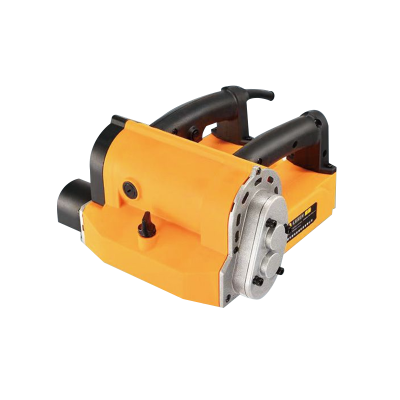
Indoor renovation projects continue to shape how contractors choose their equipment. Today’s wall preparation work is not only about removing material quickly. Dust handling, portability, and workflow flexibility all influence project efficiency.
As more renovation teams work inside occupied buildings, the role of the Wall Planing Machine continues to expand beyond traditional construction use. In many cases, practical handling and cleaner operation are becoming key reasons contractors include this equipment in their daily work routines.