English
 عربى
عربى

Cutting metal is not like cutting wood. Wood is soft. A dull blade still cuts, just slower. Metal is hard. A dull blade stops cutting and starts rubbing. The work heats up. The blade overheats. The machine strains. A metal cutting machine needs to match the material, the thickness, and the required finish. The wrong machine takes five times as long. The wrong blade ruins the material. The wrong speed destroys the blade.
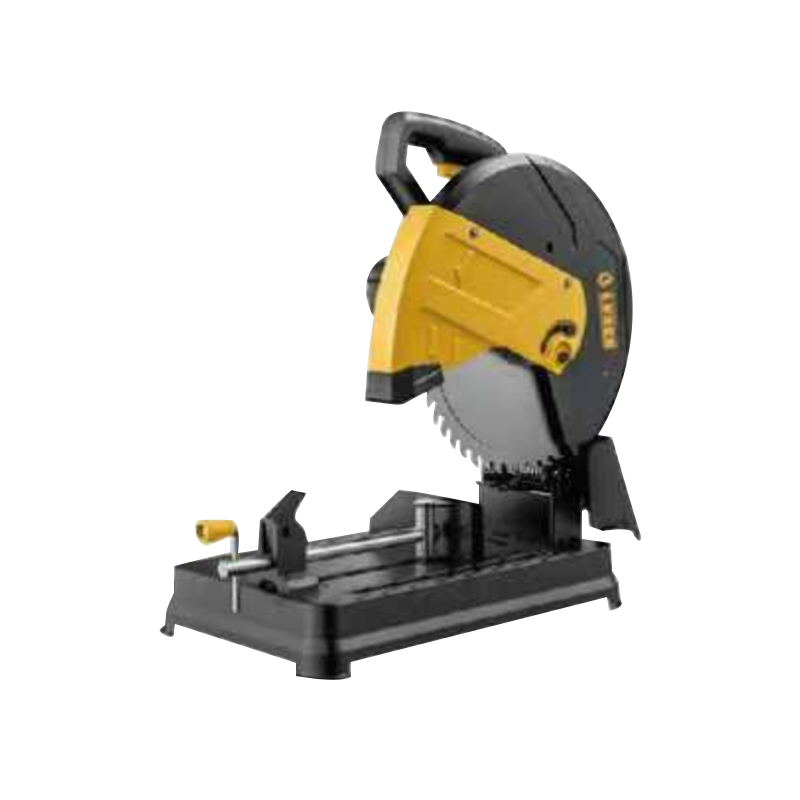
What a Metal Cutting Machine Does and How It Differs from Wood Cutting
The machine uses lower speeds and higher torque than wood cutters
Wood cutting machines spin fast. 3,000 to 5,000 RPM. Metal cutting machines spin slow. 50 to 500 RPM for many applications. The slower speed generates less heat. Heat is the enemy of metal cutting. Heat softens the blade edge. Heat expands the workpiece. The cut becomes inaccurate.
A metal cutting machine also needs higher torque. Cutting metal takes force. The machine needs to push the blade through the material without bogging down. A wood saw with a metal blade will stall or burn out the motor.
The cutting method determines what shapes and thicknesses you can handle
Several types of metal cutting machine exist. Each has a different purpose.
Here is how common metal cutting machine types compare:
- Cold saw — carbide or HSS blade, slow speed, coolant, clean cuts, good for precision
- Band saw — continuous blade, versatile, cuts curves and large diameters
- Abrasive chop saw — grinding disc, fast but messy, rough finish, cheap blades
- Angle grinder with cutting disc — portable, rough, for small jobs only
Cold saws produce the ideal finish. The cut edge is clean. No burr. No heat discoloration. Band saws are the many versatile. One machine cuts rounds, squares, tubes, and flats. Abrasive chop saws are the cheap but leave a rough edge and lots of sparks.
Where Different Metal Cutting Machines Get Used
Fabrication shops need cold saws for precise cuts before welding
A weld needs clean edges. Dirty, burnt, or rough edges cause weak welds. A metal cutting machine with a cold saw leaves a mill-quality finish. The two pieces fit together tightly. The weld is strong.
Cold saws are also fast. A 4-inch round bar cuts in 10 seconds. An abrasive saw takes 30 seconds and uses up a disc.
Maintenance and repair shops use band saws for versatility
A repair shop does not know what material will come through the door tomorrow. Could be 2-inch pipe. Could be 6-inch channel. Could be a solid bar. A metal cutting machine with a band saw handles all of it. Change the blade speed for different materials. Cut straight or cut angles.
Band saws also cut large diameters. A 10-inch round bar needs a large cold saw or a lathe. A band saw handles it easily.
Construction sites use portable band saws or abrasive saws
A portable metal cutting machine weighs less. It runs on battery or extension cord. The electrician cutting unistrut uses a portable band saw. The pipefitter cutting conduit uses a band saw. The ironworker cutting rebar might use an abrasive saw because the blade is cheap and the cut does not need to be superb.
What Makes a Good Metal Cutting Machine
Blade speed control determines whether the cut is clean or burnt
A metal cutting machine for steel needs the right speed. Too fast, and the blade dulls quickly. Too slow, and the cut takes forever. Variable speed is worth the extra cost. You match the speed to the material thickness.
Here is what speed control does for a metal cutting machine:
- Correct speed — blade lasts longer, cut is clean, less heat
- Too fast — blade overheats, teeth strip, material discolors
- Too slow — cutting time increases, operator gets frustrated
Build quality affects accuracy over years of use
A metal cutting machine with a cast iron base stays square. The blade meets the workpiece at the same angle every time. A machine with a stamped steel base flexes. The cut drifts. The pieces do not fit together.
Guide bearings and pivot points need to be tight. Loose guides cause blade wander. The cut is wavy. The material is scrap.
Coolant or lubrication extends blade life dramatically
Cutting dry works for thin material. For anything over 3 millimeters thick, coolant helps. A metal cutting machine with a coolant pump sprays oil or synthetic fluid on the blade. The coolant reduces friction. The blade stays cool. The teeth stay sharp.
A blade that cuts dry might last 100 cuts. The same blade with coolant might last 1,000 cuts.
What Goes Wrong with Cheap Metal Cutting Machines
Blade guides wear out and the blade wanders
Cheap metal cutting machine products have soft guide bearings. The bearings develop flat spots. The blade wobbles. The cut is crooked. The operator pushes harder. The blade binds. The machine stalls.
The motor burns out from lack of torque
Cutting metal takes sustained torque. A cheap motor overheats. The thermal protector trips. The operator waits for the motor to cool. The job takes all day. Eventually the motor fails completely.
The vice will not hold the workpiece square
The workpiece needs to be clamped solidly. A metal cutting machine with a cheap vice twists when you tighten it. The workpiece moves. The cut is not square. The operator shims the vice. The next cut is different.
A metal cutting machine is an investment. A good cold saw or band saw costs over $1,000. A cheap abrasive chop saw costs $100. The cheap saw works for occasional use. For daily fabrication work, it does not last. Buy the right machine for your volume. Match the speed to your material. Keep the blade sharp. Use coolant when you can. Your cuts will be cleaner. Your blades will last longer. Your work will fit together the first time.