English
 عربى
عربى

Paint hides a lot. But not everything. A rough plaster wall under good light shows every bump and ridge. Sanding by hand takes forever. A wall planing machine solves this. It is a power tool that shaves down high spots on plaster, drywall, or concrete. Run it over the surface, and the wall gets flat.
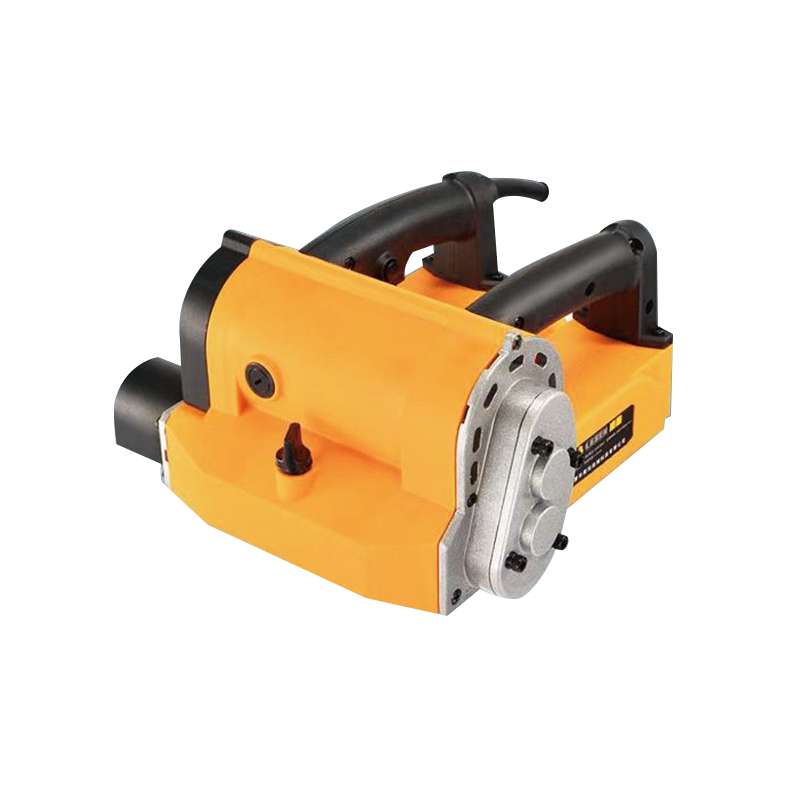
What a Wall Planing Machine Is and How It Works
The cutting head rotates at high speed to remove material
A wall planing machine has a cutting head covered with carbide teeth, abrasive strips, or sanding pads. The head spins at high speed. You press the tool against the wall and move it across the surface. The machine rides on a flat shoe that keeps the cutters at a consistent depth. The result is a wall that is flatter than what sanding alone can achieve.
Different cutting heads work better for different materials
Carbide drums are for aggressive removal on heavy plaster ridges. Sanding drums work well for drywall joints. Carbide cutters last longer but leave deeper scratches. Sanding drums are cheaper but wear out faster. The right choice depends on your wall condition.
Where Contractors Use a Wall Planing Machine
Old plaster walls need leveling before painting
Old plaster walls are rarely flat. Decades of settling leave high spots. A wall planing machine takes them down quickly. The alternative is hours of hand sanding or skim coating the entire wall. For large rooms, the planing machine saves a full day of labor.
Drywall seams leave raised ridges that need knocking down
Drywall taping leaves raised ridges at the joints. A wall planing machine knocks these down before final sanding. The wall ends up flatter because the tool follows the wall plane. Professional drywall finishers use these machines on large commercial projects.
What to Look for When Buying a Wall Planing Machine
Dust collection is critical for this type of tool
A wall planing machine makes a lot of fine dust. Good models have a dust port that connects to a shop vacuum. Without effective dust collection, the room becomes a mess in minutes. Check that the dust port fits your vacuum hose before buying.
The cutting depth needs easy adjustment without tools
A wall planing machine set too deep gouges the wall. Set too shallow, and it does nothing. Look for a tool with a dial or knob for depth control. The outstanding models let you adjust depth with one hand while the tool is running.
Weight and balance affect how long you can use the tool
A heavy wall planing machine is hard to control on a ceiling or high wall. Weight under 5 kilograms is easier for overhead work. The handle should be positioned so the tool does not tip forward or backward when you lift it.
How to Use a Wall Planing Machine Correctly
Preparation takes time but saves cleanup later
Cover floors and furniture. Remove outlet covers. Wear a respirator and eye protection. The dust from plaster and drywall contains fine particles that irritate the lungs.
Move the tool in overlapping passes with light pressure
Start at one edge of the wall. Move in overlapping passes. Do not press hard. Let the tool do the work. Pressing hard gouges the wall. Move at a steady pace. Too fast, and the cutters skip over high spots. Too slow, and the tool digs in. Check your progress frequently by running your hand over the wall.
What Can Go Wrong and How to Avoid It
Gouging happens when the depth is set too deep
The common problem is gouging. The machine digs into the wall instead of skimming the surface. This happens when the depth is set too deep or when you press too hard. Practice on a scrap board before attacking your finished wall.
Dust leaks through poor connections and worn seals
Even good dust collection leaks some dust. Check the dust port connection. Make sure the vacuum hose fits tightly. Replace worn gaskets around the dust port. Some users wrap the connection with tape for a tighter seal.
A wall planing machine is not for every job. For new drywall, a pole sander works fine. But for old plaster walls with serious high spots, the planing machine saves hours of hand sanding. The dust is still a problem. The risk of gouging is real. But used carefully, it turns a full-day sanding job into a one-hour planing job. For contractors who do this work regularly, the time savings quickly pay for the tool.