English
 عربى
عربى

A cutting machine motor needs a stator. Without it, the motor does not spin. The stator is the stationary part of the motor. It creates the magnetic field that makes the rotor turn. A cutting machine motor accessories stator is a replacement part. When the original fails, you replace it. Here is what buyers should know.
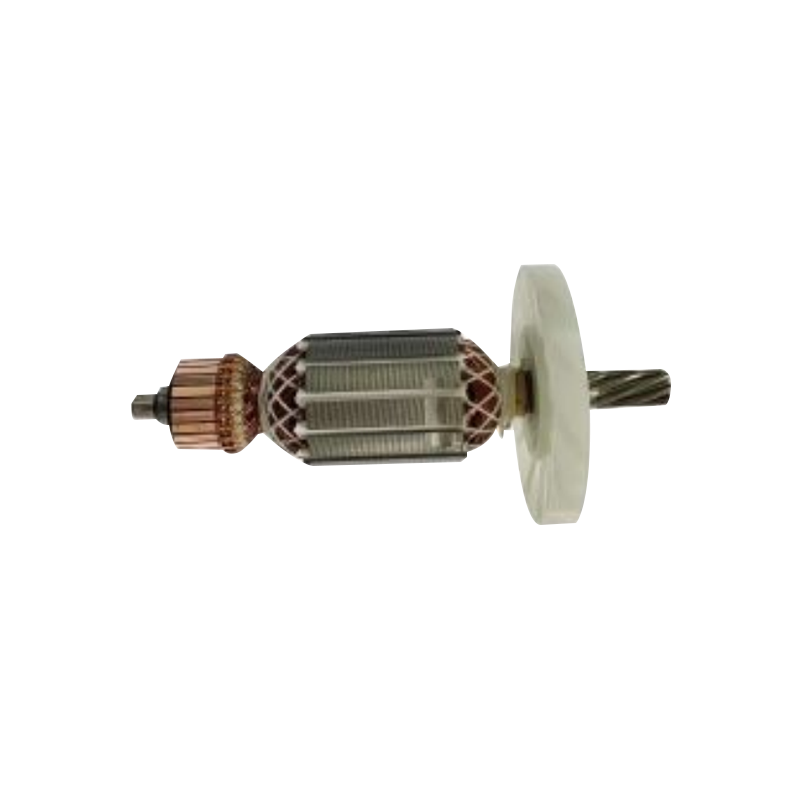
What a Stator Does in a Motor
The stator creates a rotating magnetic field
A motor has two main parts: the stator and the rotor. The stator is the outer ring with coils of wire wrapped around it. When electricity flows through the coils, it creates a magnetic field. The field rotates. The rotor follows the rotation. The motor turns.
A cutting machine motor accessories stator needs to match the original. The coil windings must be the same. The number of poles must match. The voltage and current ratings must be correct.
The stator does not move, but it does the work
The stator is stationary. The rotor spins inside it. But the stator does the work. It creates the magnetic force that drives the rotor. A cutting machine motor accessories stator with damaged windings reduces motor power. The motor runs hot. It slows down.
Why Stators Fail
Overheating burns the insulation
Motors get hot. The insulation on the coil windings breaks down over time. Short circuits form. The stator fails. A cutting machine motor accessories stator with high-temperature insulation lasts longer.
Vibration breaks the wire connections
Cutting machines vibrate. The stator windings have connection points. Vibration loosens them. The wire breaks. The motor stops.
Moisture causes corrosion
Moisture gets into the motor. The copper windings corrode. The stator shorts out. A cutting machine motor accessories stator with sealed windings resists moisture.
Dust and debris clog the cooling
Motors need airflow. Dust clogs the cooling fins. The motor overheats. The stator fails.
What to Look for in a Replacement Stator
Match the original specifications
The stator must match the motor. Voltage, current, number of poles, and frame size. A cutting machine motor accessories stator with the wrong specs will not fit. It will not work.
Here is what to check:
- Voltage — 120V, 240V, or other
- Current rating — amps
- Number of poles — 2-pole, 4-pole, or other
- Frame size — physical dimensions
- Mounting holes — bolt pattern
Insulation class
Insulation class determines temperature rating. Class B is 130°C. Class F is 155°C. Class H is 180°C. A cutting machine motor accessories stator with Class H insulation handles more heat. It lasts longer in harsh conditions.
Wire gauge and winding pattern
The wire gauge and winding pattern affect motor performance. A stator with the wrong wire gauge runs hotter. It has less power. The motor draws too much current.
Quality of the lamination stack
The stator is made of thin steel laminations. The laminations reduce eddy current losses. A cutting machine motor accessories stator with tight laminations runs efficiently. Loose laminations vibrate. The motor makes noise.
Here is what to check in a stator:
- Insulation class — higher is better for heat resistance
- Lamination quality — tight, no gaps
- Winding pattern — matches original
- Connection leads — good wire, no corrosion
Where Replacement Stators Get Used
Industrial cutting machines
Saws, shears, and plasma cutters all use motors. A cutting machine motor accessories stator keeps the machine running. The machine does not sit idle waiting for a new motor.
Portable cutting tools
Handheld saws and grinders have motors. A cutting machine motor accessories stator extends the tool's life. Replacing the stator costs less than buying a new tool.
Automated cutting systems
CNC cutting machines run all day. The motors work hard. A cutting machine motor accessories stator is a maintenance item. Keep spares on hand.
Common Problems with Replacement Stators
The stator does not fit
Wrong frame size. The mounting holes are off. The stator does not align with the rotor. The motor binds.
The windings are poor quality
The wire gauge is too thin. The insulation is weak. The stator runs hot. It fails quickly.
The leads are too short
The connection wires are too short. You cannot reach the terminal block. You add extensions. More connections. More failure points.
The stator is not balanced
The lamination stack is off. The rotor rubs. The motor makes noise. It vibrates.
A cutting machine motor accessories stator is a critical part. It makes the motor work. Match the specifications exactly. Choose the right insulation class. Check the fit before ordering. A good stator extends the life of your cutting machine. A bad one fails quickly. Your machine sits idle. Your work stops. That is not worth the savings. Buy a quality stator. Your cutting machine will thank you.