English
 عربى
عربى

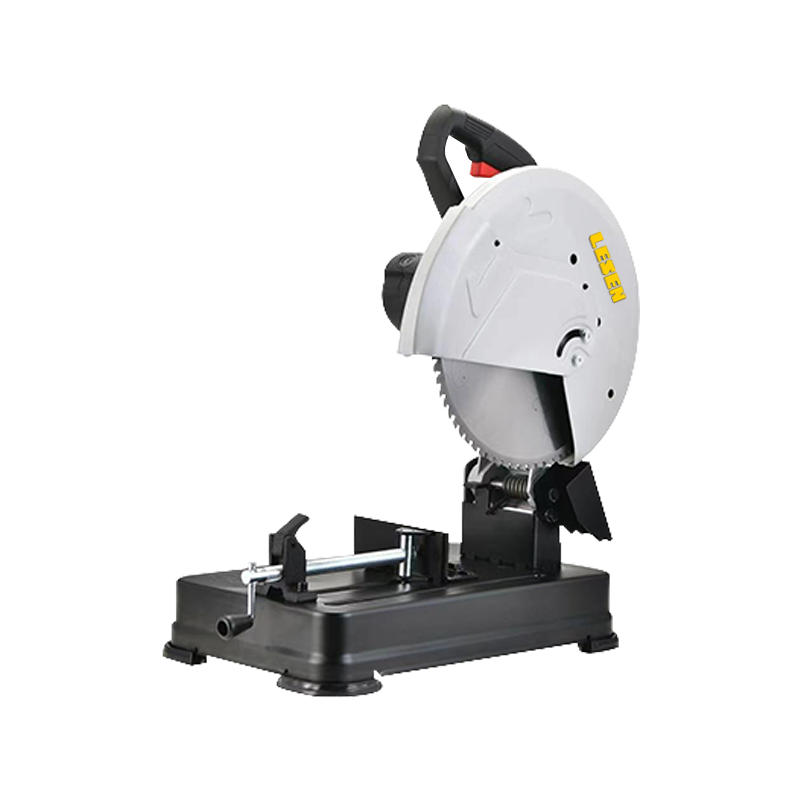
Sometimes you need to cut metal where there's no power outlet, no workbench, and no room for heavy equipment. That's what a handheld metal cutting machine is for. It's a portable tool that cuts through steel, aluminum, copper, and other metals on the spot. Fabrication shops, construction sites, maintenance crews, and HVAC installers all use them. The machine gets into tight spots, cuts quickly, and doesn't tie you to a fixed location.
The Cutting Methods That Make Handheld Machines Work
Abrasive cutting discs are the most common option
An abrasive disc spins at high speed, grinding through the metal. Handheld metal cutting machine uses discs that are cheap, readily available, and work on most metals. The disc wears down as it cuts, so you replace it when it gets too small.
Diamond blades cut harder materials
For tougher metals or longer cuts, diamond blades handle the work. Handheld metal cutting machine with diamond blades lasts longer than abrasive discs. The cost is higher, but the blade life is longer.
Oscillating blades for precise cuts
Some applications need clean, precise cuts in tight spaces. Handheld metal cutting machine uses oscillating blades that vibrate rather than spin. The blade moves back and forth, cutting through metal without throwing sparks.
The Design That Makes Handheld Cutting Possible
A powerful motor drives the cutting action
The motor has to deliver enough power to cut through metal without bogging down. Handheld metal cutting machine uses motors that are rated for continuous use. The motor is matched to the cutting capacity.
An adjustable guard protects the operator
Cutting metal creates sparks and debris. Handheld metal cutting machine has a guard that covers the blade and deflects sparks away from the operator. The guard adjusts to different cutting positions.
A depth adjustment sets the cutting depth
Different materials need different cutting depths. Handheld metal cutting machine has a depth adjustment that lets the operator set the blade depth. The machine cuts through the material without going too deep.
A spindle lock makes blade changes easy
Blades wear out and need replacing. Handheld metal cutting machine has a spindle lock that holds the blade in place while the operator removes it. No special tools required.
Common specs for handheld metal cutting machines:
- Blade diameter: 4" to 12"
- Motor power: 600W to 2400W
- Cutting depth: up to 4"
- Disc type: abrasive, diamond, oscillating
- Guard: adjustable
- Weight: 3kg to 8kg
- Voltage: 120V or 240V
Trades That Depend on Handheld Metal Cutting
HVAC installation and ductwork
Heating and cooling systems need metal ductwork cut to size. Handheld metal cutting machine cuts through sheet metal quickly, right on the job site. The machine fits in a toolbox or truck.
Construction and steel fabrication
Structural steel, rebar, and metal framing need cutting during installation. Handheld metal cutting machine handles the work without moving the material to a shop. The machine goes to the job, not the other way around.
Plumbing and pipefitting
Metal pipes need cutting to length during installation. Handheld metal cutting machine cuts copper, steel, and stainless pipe on site. Clean cuts mean clean joints.
Automotive and metal repair
Body panels, frame sections, and exhaust components need cutting. Handheld metal cutting machine fits into tight spaces and makes precise cuts. The machine is part of the repair kit.
The Features That Determine a Good Cutting Machine
Motor power affects cutting speed and capacity
Higher wattage cuts faster and handles thicker materials. Handheld metal cutting machine with adequate power for the job gets the work done faster. Underpowered machines bog down and burn up.
Blade compatibility
The machine should accept blades that are easy to find. Handheld metal cutting machine that uses common blade sizes is easier to keep running.
Guard adjustability
The guard should move to different positions for different cuts. Handheld metal cutting machine with a guard that's hard to adjust gets left in the wrong position. That's dangerous.
Weight and balance
Heavy machines tire out the operator. Handheld metal cutting machine that's well-balanced reduces fatigue. The operator works longer and makes better cuts.
Vibration control
Vibration causes fatigue and reduces control. Handheld metal cutting machine with vibration-dampening features gives the operator a more comfortable experience.
Dust and spark management
Cutting metal creates sparks and debris. Handheld metal cutting machine with a spark deflector and dust port keeps the work area safer.
Handheld metal cutting machine is a tool that goes where the work is. The motor, the blade, and the guard all work together to make cuts in tight spots and awkward positions. It's not the tool for every job, but for on-site metal work, it's indispensable. Pick the right one—enough power, the right blade type, good weight balance—and it becomes part of the daily kit.