English
 عربى
عربى

If you've ever tried to plaster or paint a wall that wasn't flat, you know the problem. High spots, low spots, ridges from old plaster. You can sand it, but that takes forever and makes a mess. A wall planing machine solves the problem fast. The machine runs a rotating cutter head across the wall, shaving down the high spots and leaving a flat, smooth surface. Wall planing machine manufacturer builds these machines to handle the dust, the vibration, and the continuous use that comes with surface preparation work.
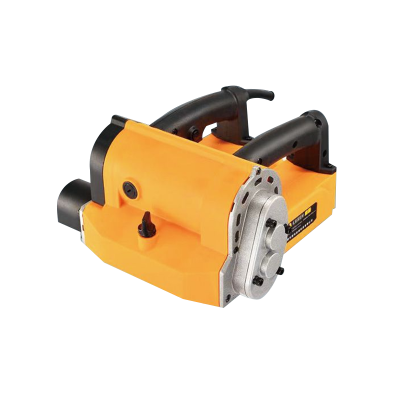
The Tool That Makes Walls Flat
A rotating cutter head removes high spots
The cutter head spins at high speed, shaving down high areas and leaving a flat surface. Wall planing machine manufacturer designs the cutter head with replaceable blades that handle plaster, drywall, and other wall materials. The blades stay sharp long enough to get the job done.
Adjustable cutting depth controls how much material is removed
Different walls need different amounts of material removed. Wall planing machine manufacturer builds machines with depth adjustments that let the operator control how much the cutter head removes. Light passes for smoothing, deeper passes for leveling.
Dust extraction keeps the work area clean
Planing creates fine dust that gets everywhere. Wall planing machine manufacturer integrates dust extraction ports into the design. A vacuum system pulls dust away from the cutter head and collects it.
The Design That Makes a Planing Machine Effective
Balanced rotor assemblies reduce vibration
Vibration makes the machine hard to control and tires out the operator. Wall planing machine manufacturer balances the rotor assembly to less vibration. The machine runs smoother, the operator works longer.
Powerful motors handle continuous use
Planing is a heavy-duty operation. Wall planing machine manufacturer uses motors rated for extended operation. The motor matches the cutting width and depth.
Replaceable blades keep the machine cutting effectively
Blades wear out. Wall planing machine manufacturer designs the cutter head with blades that are easy to replace. The operator swaps them out without special tools.
Common specs for wall planing machines:
- Cutting widths: 150mm to 250mm
- Motor power: 1200W to 2000W
- Cutting depth: 0.5mm to 5mm
- Blade types: tungsten carbide, HSS
- Dust extraction: 35mm or 50mm port
- Weight: 4.5kg to 8.5kg
- Voltage: 110V or 230V
The Work That Gets Done with Planing Machines
New construction sites
Fresh plaster often has trowel marks and minor imperfections. A wall planing machine levels large wall areas quickly. The surface is ready for paint or wallpaper.
Renovation and remodeling
Older walls have layers of paint and uneven plaster. A wall planing machine removes the top layer and brings the wall back to a flat condition. The new finish adheres properly.
Commercial interior fitouts
Office and retail spaces need smooth wall surfaces. A wall planing machine works quickly across large areas. The surface is consistent, and the final appearance is clean.
The Features That Matter in a Wall Planing Machine
Cutting width affects how fast the work goes
Wider heads cover more area faster. Wall planing machine manufacturer offers different cutting widths for different jobs. Narrower heads access tight spaces.
Dust extraction compatibility makes indoor use practical
Planing creates significant dust. Wall planing machine manufacturer designs machines that connect to standard vacuum systems. The dust port matches common hose sizes.
Blade availability and replacement cost
Blades wear and need replacement. Wall planing machine manufacturer uses common blade types that are easy to find. The cost per blade is reasonable.
Vibration control affects operator comfort
Extended planing tires out the operator. Wall planing machine manufacturer designs machines with vibration-dampening features. The operator stays comfortable for longer periods.
A wall planing machine manufacturer builds the equipment that turns uneven walls into smooth surfaces. The machines remove high spots, level low areas, and prepare walls for finishing. Without them, surface prep is slow, messy, and inconsistent. With them, the job gets done faster and the finish looks better. That's what the machine does. That's what the manufacturer delivers.