English
 عربى
عربى

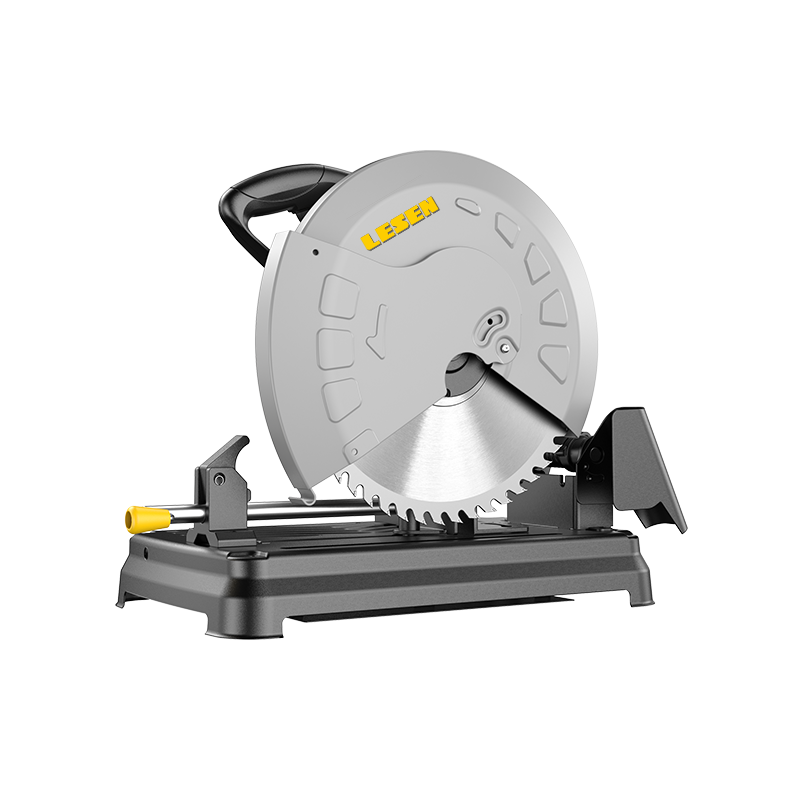
Cutting machines are essential tools in various industries, including metalworking, woodworking, and plastic fabrication. They provide precision and efficiency, enabling manufacturers to produce components with accuracy and consistency. At the heart of this process is the Cutting Machine Factory, where raw materials and advanced machinery come together to create machines capable of meeting diverse production needs. Understanding how these factories operate can help both businesses and individual buyers make informed decisions.
Design and Engineering
A key function of a Cutting Machine Factory is the design and engineering of machines suited for specific materials and tasks. Factories often focus on selecting durable materials for the frame, precise motors, and cutting components that maintain accuracy over time. The machines are designed to handle different sizes, thicknesses, and types of material, offering flexibility for various production requirements. Ergonomic design is also considered to ensure operators can use the machines safely and comfortably.
Production Process: From Components to Finished Machines
The workflow in a Cutting Machine Factory typically includes several stages:
- Component Fabrication: Parts such as frames, blades, and motors are manufactured or sourced from specialized suppliers.
- Assembly: Skilled technicians assemble the components, ensuring alignment and proper functioning.
- Calibration and Testing: Each machine undergoes calibration for precision and test runs to verify performance under different conditions.
- Quality Inspection: Finished machines are checked for safety, durability, and accuracy before packaging.
By carefully managing each stage, the factory ensures that the cutting machines are reliable and ready for industrial or commercial use.
Applications Across Industries
Machines from a Cutting Machine Factory find applications in multiple sectors. In metalworking, they are used for sheet cutting, pipe trimming, and component shaping. In woodworking, machines assist with panel cutting, furniture parts, and decorative elements. Even in plastics or composites, cutting machines provide precise shaping, minimizing material waste. The versatility of these machines makes them valuable for workshops, manufacturers, and production facilities of different scales.
Advantages for Manufacturers and Buyers
Using machines from a reputable Cutting Machine Factory offers several advantages. Consistent quality ensures that production lines operate smoothly, reducing errors and downtime. Buyers can rely on machines that maintain accuracy over long periods, which helps control costs and improves product consistency. Some factories also provide customization options, allowing businesses to request specific features such as adjustable cutting speed, blade types, or safety mechanisms, tailoring machines to their unique production needs.
Safety and Maintenance
Safety is a key consideration for any Cutting Machine Factory. Machines are designed with protective guards, emergency stop functions, and clear operation protocols to reduce the risk of accidents. Regular maintenance, including lubrication, blade replacement, and inspection of moving parts, is necessary to keep machines functioning safely and efficiently. Proper training for operators ensures that both safety and productivity are maintained.
Innovation and Quality Control
Modern Cutting Machine Factories often use advanced equipment to improve consistency and production efficiency. Automated assembly lines, precise calibration tools, and digital monitoring systems help maintain high-quality standards. Some factories experiment with new cutting techniques or materials for blades to enhance performance and reduce wear. This focus on innovation allows manufacturers to adapt to changing industry requirements and provide machines suitable for various production environments.
A Cutting Machine Factory plays a crucial role in manufacturing industries by producing reliable, versatile, and precise cutting machines. From design and assembly to testing and quality control, each step ensures that machines meet industrial standards and customer requirements. Businesses and buyers benefit from consistent machine performance, safety features, and customization options. Understanding the capabilities and operations of such factories can help users make informed decisions, ensuring efficient production and long-term operational success.