English
 عربى
عربى

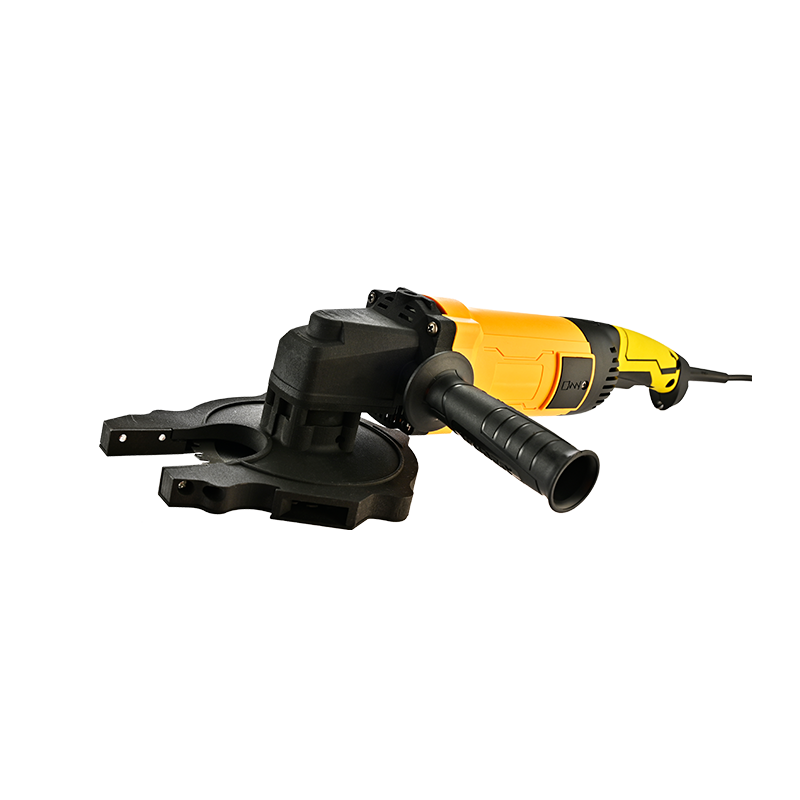
In manufacturing, metalworking, and construction, precise cutting is crucial for producing functional and aesthetically pleasing products. A Metal Cutting Machine is a tool designed to efficiently cut, shape, or trim metal materials, ranging from sheets and rods to pipes and complex components. Understanding the uses, benefits, and selection criteria for these machines can help both hobbyists and professionals make informed choices.
What is a Metal Cutting Machine?
A Metal Cutting Machine is any mechanical device that uses sharp blades, abrasive wheels, lasers, or other methods to cut metal into desired shapes and sizes. These machines vary in design, from manual saws to CNC-controlled systems. Their precision and efficiency make them essential in industrial workshops, repair shops, and DIY setups.
Benefits of Using Metal Cutting Machines
Using a Metal Cutting Machine provides several advantages:
Precision Cutting: These machines ensure accurate dimensions, reducing the need for repeated adjustments.
- Time Efficiency: Cutting metal manually can be slow and inconsistent; machines perform tasks much faster.
- Versatility: Many machines can handle different metals such as aluminum, steel, and copper.
- Safety: Properly designed machines reduce the risk of injury compared to manual cutting methods.
Types of Metal Cutting Machines
There are several types of Metal Cutting Machines commonly used in workshops and factories:
- Band Saws: Use a continuous band blade to cut metal sheets or pipes.
- Circular Saws: Provide fast, straight cuts for thick or large metal pieces.
- Laser Cutters: Offer high precision for intricate designs and thin metal sheets.
- Plasma Cutters: Ideal for fast cutting of conductive metals with minimal heat distortion.
- Shearing Machines: Use blade pressure to cut straight lines on metal sheets.
- Choosing the Right Metal Cutting Machine
Selecting the proper Metal Cutting Machine depends on multiple factors:
- Material Type: Different metals require different cutting methods and blade types.
- Thickness of Material: Ensure the machine can handle the maximum thickness of your projects.
- Precision Requirements: CNC or laser machines are better for detailed and complex designs.
- Frequency of Use: For heavy-duty industrial use, robust machines with long-lasting blades are essential.
- Budget and Maintenance: Consider the cost of the machine and any recurring maintenance expenses.
Applications in Various Industries
A Metal Cutting Machine is used in a variety of industries:
- Construction: Cutting beams, rods, and sheets for building structures.
- Automotive: Fabricating chassis parts, exhaust components, and decorative elements.
- Manufacturing: Preparing raw metal for machinery, equipment, and consumer products.
- DIY Projects: Hobbyists can create custom metal furniture, tools, or art pieces.
Tips for Safe and Effective Use
- Always wear safety gear, including gloves and protective eyewear.
- Ensure the material is securely clamped before cutting.
- Follow the machine's operational guidelines to prevent damage or accidents.
- Replace worn blades or cutting components to maintain performance.
Maintenance and Longevity
Proper maintenance of a Metal Cutting Machine ensures long-term reliability:
- Keep the machine clean and free of debris.
- Lubricate moving parts according to manufacturer instructions.
- Check blades and cutting tools regularly for wear or damage.
- Schedule periodic professional inspections for industrial machines.
A Metal Cutting Machine is an essential tool for anyone working with metal, whether in a professional workshop or a DIY environment. By understanding the types, benefits, applications, and maintenance needs, users can make better choices, improve efficiency, and ensure safety during cutting operations. From precise, intricate designs to heavy-duty industrial cuts, these machines offer versatility, reliability, and convenience for a wide range of metalworking projects.