English
 عربى
عربى

Metal is everywhere—from construction frames to automotive parts and custom furniture. Behind many of these products is a Metal Cutting Saw, a tool designed to handle rigid materials with consistency and control. Whether used in a small workshop or an industrial setting, this equipment plays a steady role in shaping raw stock into usable components without unnecessary waste.
What Defines a Metal Cutting Saw
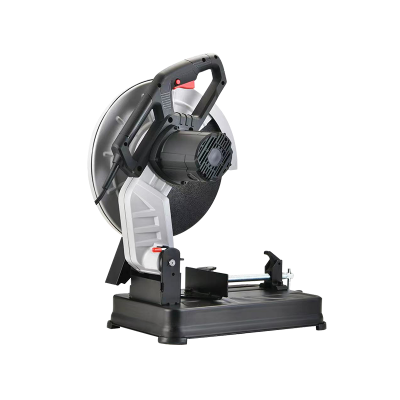
At its core, a Metal Cutting Saw is built to separate metal materials through controlled motion and durable blades. Unlike tools meant for wood or plastic, these saws focus on stability, heat management, and clean edges. The blade design, motor behavior, and cutting method work together to support materials such as steel, aluminum, and alloys. This balance allows operators to focus on accuracy rather than fighting resistance from the workpiece.
Common Types and How They're Used
There are several forms of metal cutting equipment, each serving a slightly different purpose. Cold saws rely on slower blade speeds and gear-driven torque, helping maintain edge quality. Abrasive chop saws use friction to slice through tougher sections, making them suitable for fast, repetitive tasks. Band saws, often found in fabrication shops, support straight or angled cuts with reduced material loss. No matter the format, a Metal Cutting Saw is typically chosen based on material thickness, required precision, and workflow pace.
Materials and Performance Considerations
Not all metals behave the same when cut. Softer metals like aluminum can clog blades if speed and feed are mismatched, while harder steels demand consistent pressure. A well-matched Metal Cutting Saw accounts for these differences by allowing blade changes, speed adjustments, or coolant use. These features help manage heat buildup and extend blade life, while also improving cut consistency across batches.
Accuracy, Safety, and Daily Operation
Precision matters when metal parts need to fit together later. Guides, clamps, and stable bases help keep cuts aligned, reducing the need for rework. At the same time, safety features such as blade guards and emergency stops are standard expectations. In daily operation, a Metal Cutting Saw supports repeatable results when operators follow setup guidelines and keep blades in good condition.
Maintenance and Long-Term Use
Like any mechanical tool, performance depends on regular care. Blade inspection, debris removal, and alignment checks are routine tasks that help avoid uneven cuts. Over time, these habits support steady output and reduce downtime. Choosing compatible blades and replacing them at the right interval allows a Metal Cutting Saw to stay reliable across different projects without sudden performance drops.
Where It Fits in Modern Workshops
Today's fabrication spaces often mix manual skill with efficient tooling. A Metal Cutting Saw fits into this environment by offering predictable results while still leaving room for craftsmanship. It supports workflows ranging from single custom pieces to medium-scale production, making it a practical choice for teams that value consistency without overcomplicating their setup.
Cutting metal is rarely about speed alone. It's about control, material awareness, and repeatable outcomes. With the right setup and routine care, a Metal Cutting Saw becomes a dependable part of metalworking processes, supporting clean cuts and smoother downstream assembly across many industries.