English
 عربى
عربى

Aluminum processing is part of many everyday industries, from window frames to transportation components. Clean and stable cutting is essential for keeping production moving. An Aluminum Cutting Saw Manufacturer focuses on building tools that suit aluminum’s unique behavior while fitting real workshop conditions.
Why Aluminum Needs Specialized Cutting Saws
Compared with harder metals, aluminum is easier to cut but more sensitive to tool design. Improper blades can cause rough edges, material buildup, or unstable cutting. An Aluminum Cutting Saw Manufacturer studies these issues when developing products for aluminum profiles, plates, and extrusions.
Tooth geometry is adjusted to improve chip flow and reduce friction. Surface treatments are often applied to help prevent aluminum from sticking to the blade during repeated cuts. These details support smoother operation on production lines.
Blade Materials and Structural Balance
Material selection is a key focus inside an Aluminum Cutting Saw Manufacturer. Blade bodies are commonly made from alloy steel for structural stability, while cutting edges may use carbide tips for longer service life.
Balance is another important factor. Even small imbalances can affect cutting accuracy over time. Manufacturers pay close attention to blade flatness and tension to keep rotation stable during continuous operation. This helps reduce vibration and supports consistent cut quality.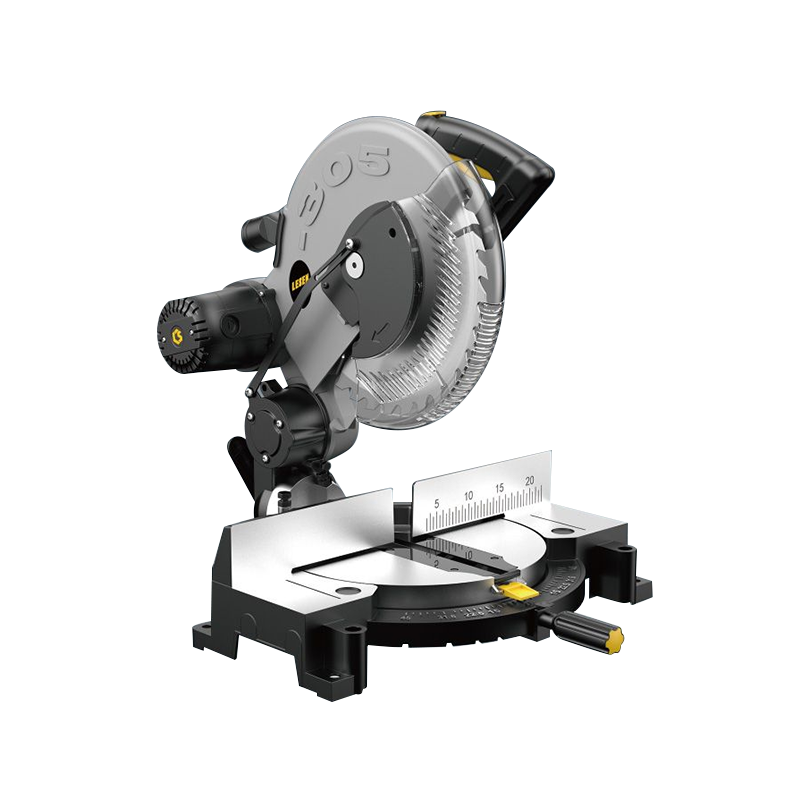
Manufacturing Steps That Matter
The production process involves more than shaping a blade. An Aluminum Cutting Saw Manufacturer follows a series of controlled steps, including machining, heat treatment, tooth grinding, and coating application.
Each step is designed to keep dimensions within acceptable ranges. Heat treatment improves durability, while precision grinding ensures uniform tooth angles. These processes are checked regularly to keep output stable across different production batches.
Testing Under Real Cutting Conditions
Instead of relying only on measurements, many factories perform practical cutting tests. An Aluminum Cutting Saw Manufacturer may test blades on aluminum bars or profiles similar to those used by customers.
These tests help observe edge finish, cutting speed, and heat generation. Feedback from testing is used to fine-tune blade designs and production settings. This approach connects factory work with real-world usage.
Custom Options for Different Markets
Aluminum applications vary widely between industries and regions. To meet these needs, an Aluminum Cutting Saw Manufacturer often provides customization options. Adjustments may include tooth count changes, blade diameter selection, or arbor modifications.
Such customization helps distributors and users integrate new saws into existing machines without major changes. It also allows manufacturers to serve multiple markets with targeted solutions.
Working With Buyers Over Time
Beyond production, communication plays a role in long-term cooperation. An Aluminum Cutting Saw Manufacturer benefits from understanding how products perform after delivery. Buyer feedback helps guide future design adjustments and production planning.
For buyers, working with a consistent supplier supports smoother ordering and predictable product performance over time.
An Aluminum Cutting Saw Manufacturer supports aluminum processing by focusing on material behavior, production control, and practical testing. From raw materials to finished tools, each step aims to match workshop realities. Understanding this process helps buyers choose cutting solutions that fit their daily operations rather than relying on surface features alone.