English
 عربى
عربى

Metal cutting machines are widely used in fabrication, construction, and manufacturing environments. Behind these machines, a Metal Cutting Machine Factory plays a key role in shaping how equipment performs in real working conditions. From structural design to final testing, each step affects how machines handle daily cutting tasks.
Core Responsibilities of a Metal Cutting Machine Factory
A Metal Cutting Machine Factory focuses on producing equipment used for cutting steel, aluminum, and other metal materials. These machines may include band saws, circular saws, or cold cutting systems. The factory’s responsibility is not limited to assembly; it also covers design coordination, component sourcing, and functional testing.
Factories often adjust machine structures to match different usage scenarios, such as workshop production, on-site cutting, or continuous industrial operation. This flexibility helps machines adapt to various customer needs.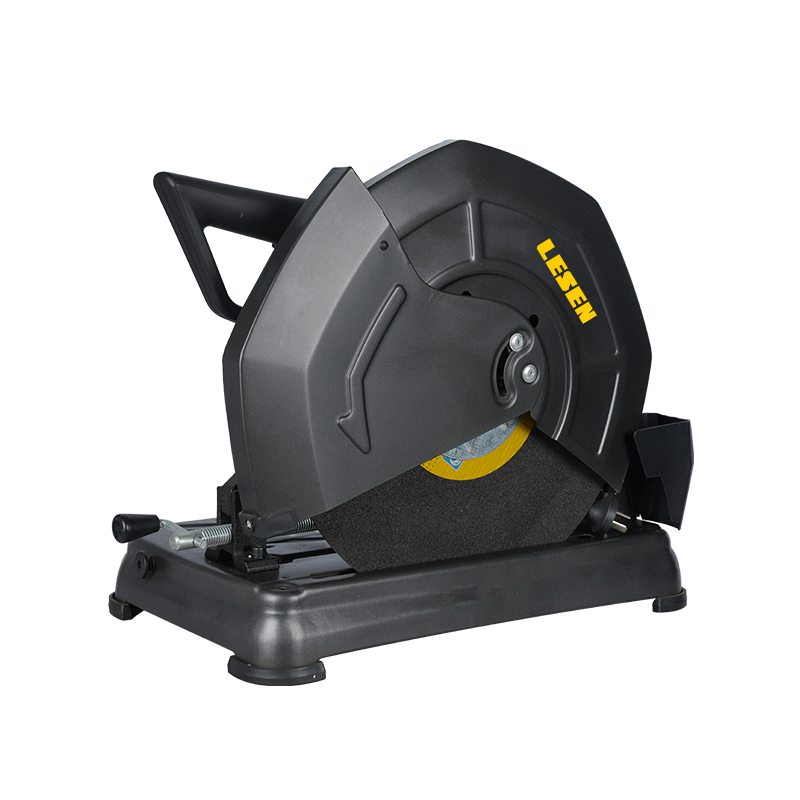
Material Selection and Structural Design
Machine durability depends heavily on material choice. A Metal Cutting Machine Factory usually selects steel frames and reinforced components to support cutting stability. The structure must handle vibration, heat, and repeated mechanical movement without affecting accuracy.
Design teams focus on balance and load distribution. Even small changes in frame thickness or guide alignment can influence cutting results. This is why factories invest time in structural testing before mass production.
Assembly Process and Functional Integration
Assembly is a critical stage inside a Metal Cutting Machine Factory. Motors, gear systems, control panels, and safety components must work together smoothly. During assembly, technicians ensure alignment between cutting heads and work tables to maintain consistent performance.
Instead of rushing output, many factories follow standardized assembly steps. This approach helps reduce mechanical errors and improves machine consistency across different batches.
Quality Checks During Manufacturing
Quality control is applied throughout the production cycle. A Metal Cutting Machine Factory may inspect motor performance, cutting accuracy, and operational stability at multiple stages. Sample machines are often tested under load to observe cutting behavior and component response.
These checks help identify issues early, reducing the chance of defects reaching end users. For buyers, this means machines are more likely to perform as expected once installed.
Customization for Different Markets
Industrial requirements vary by region and application. A Metal Cutting Machine Factory serving international markets often provides customization options. These may include voltage adjustments, blade size compatibility, or control system preferences.
Customization does not always involve major changes. Sometimes modifying safety covers or operating interfaces is enough to meet local standards and user habits.
After-Sales Support and Long-Term Cooperation
Beyond manufacturing, a Metal Cutting Machine Factory supports clients through documentation, spare parts supply, and technical guidance. Clear manuals and responsive communication help buyers maintain equipment over time.
Long-term cooperation allows factories to refine products based on user feedback. This ongoing improvement benefits both manufacturers and distributors by aligning machines more closely with actual working conditions.
A Metal Cutting Machine Factory contributes steadily to industrial production by delivering practical and adaptable cutting equipment. Through careful design, controlled assembly, and consistent inspection, factories support reliable machine performance. For buyers, understanding these processes helps in selecting equipment that fits real operational needs rather than just basic specifications.