English
 عربى
عربى

Cutting machines are widely used in metal processing, construction, packaging, and material fabrication. Behind these machines, a Cutting Machine Manufacturer plays a steady role in turning technical ideas into usable equipment. Understanding how manufacturers work helps buyers choose machines that fit real production conditions rather than relying on surface specifications alone.
The Core Responsibilities of a Cutting Machine Manufacturer
A Cutting Machine Manufacturer is responsible for more than assembling parts. The work usually starts with understanding how materials behave during cutting. Different materials require different cutting forces, speeds, and tool structures.
Manufacturers often focus on machine stability, control systems, and safety design. These factors influence cutting accuracy and long-term operation. By refining machine frames and motion systems, factories aim to reduce vibration and uneven cuts during daily use.
Design Based on Application Scenarios
Cutting machines are used in varied environments, from small workshops to continuous production lines. A Cutting Machine Manufacturer typically develops different models to match these scenarios. Some machines prioritize compact size and flexibility, while others are built for repeated cutting tasks.
Design teams often adjust parameters such as blade movement, feeding systems, and control interfaces. These adjustments help operators manage workload without unnecessary complexity. The goal is not to add features for appearance, but to support practical operation.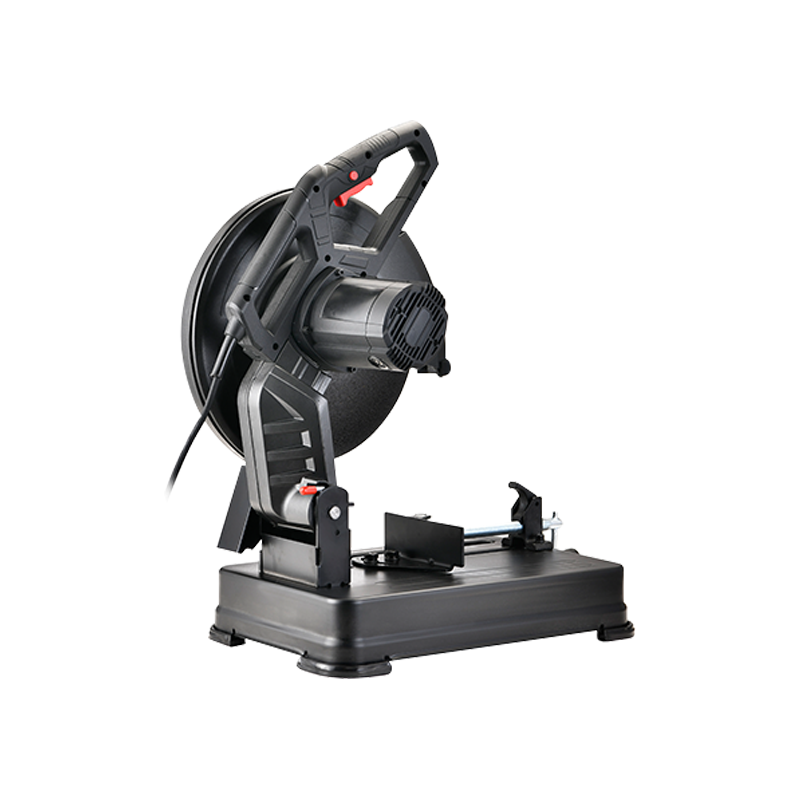
Material Selection and Manufacturing Process
Materials used in machine frames and cutting components directly affect performance. A Cutting Machine Manufacturer usually selects steel structures, reinforced guides, and wear-resistant parts based on expected usage intensity.
The manufacturing process often includes machining, welding, surface treatment, and assembly. Each stage is monitored to ensure parts align correctly. Careful assembly reduces long-term wear and helps maintain consistent cutting results.
Quality Checks and Performance Testing
Quality control is an ongoing task rather than a single inspection. A Cutting Machine Manufacturer typically conducts alignment checks, electrical testing, and trial cutting before delivery. These tests help confirm that machines operate as expected under load.
Some factories also simulate extended use to observe heat buildup and mechanical stress. This approach helps identify potential issues early and improves reliability during customer use.
Customization for Different Markets
Not all buyers need the same machine setup. Many manufacturers offer customization options such as voltage adjustment, control language changes, or cutting size modifications. A Cutting Machine Manufacturer working with international clients often adapts machines to local standards and operating habits.
Customization can also involve tooling compatibility or safety configurations. These adjustments help machines integrate smoothly into existing production lines.
Communication and Technical Support
Clear communication is an important part of cooperation. A Cutting Machine Manufacturer usually provides manuals, technical drawings, and operation guidance. This support helps users understand machine functions and routine maintenance.
Long-term cooperation often depends on response speed and problem-solving ability rather than product appearance. Buyers tend to value manufacturers who offer consistent technical feedback.
A Cutting Machine Manufacturer supports industrial production by focusing on practical design, stable manufacturing, and reliable performance. From early design decisions to final testing, each step affects how machines perform in real working conditions. For buyers, understanding these processes helps align equipment selection with actual production needs rather than short-term expectations.