English
 عربى
عربى

Metal cutting equipment plays a steady role in construction, machinery, and metalworking industries. Behind these tools, a Metal Cutting Saw Factory is responsible for turning raw materials into reliable cutting solutions that meet different working conditions.
Understanding the Role of a Metal Cutting Saw Factory
A Metal Cutting Saw Factory focuses on producing saw blades and cutting machines designed for steel, aluminum, and other alloys. These products are widely used in workshops, fabrication plants, and job sites. The factory’s role goes beyond assembly. It includes material selection, blade shaping, heat treatment, and quality checks.
Factories often work closely with industrial clients to ensure saws match specific cutting speeds, material hardness, and usage frequency. This cooperation helps reduce waste and improves cutting consistency during daily operations.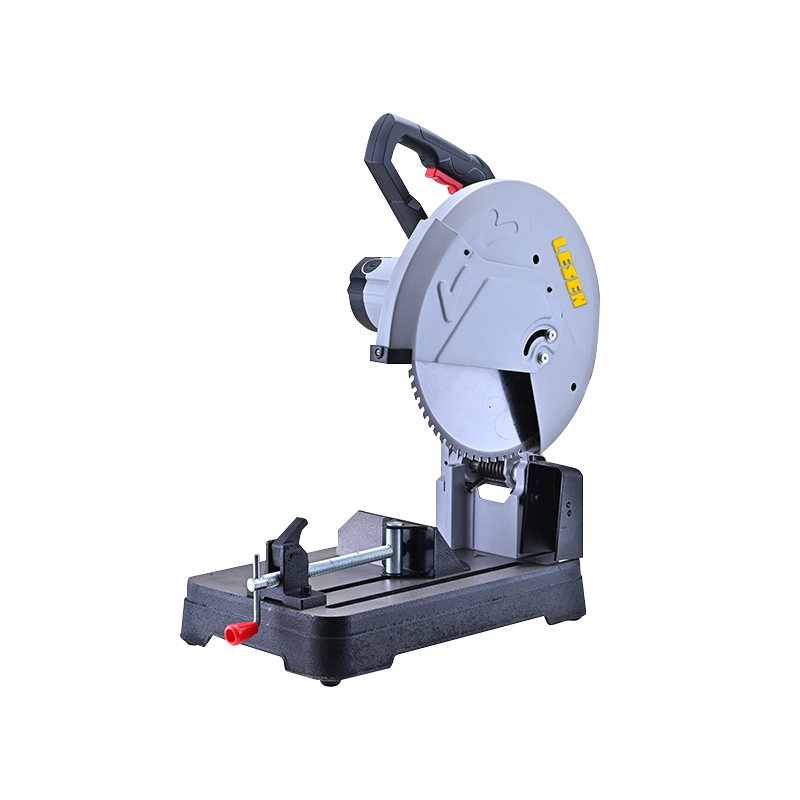
Raw Materials and Production Flow
Material choice has a direct impact on cutting performance. A Metal Cutting Saw Factory usually works with alloy steel, carbide tips, or high-speed steel depending on the application. Each material goes through a controlled production flow:
- Cutting and forming blade bodies
- Heat treatment to improve durability
- Tooth shaping and sharpening
- Surface coating for reduced friction
This step-by-step process allows factories to maintain stable output while adapting designs for different markets.
Equipment Design and Practical Performance
Rather than focusing on appearance alone, manufacturers emphasize balance, tooth geometry, and cutting stability. A well-structured saw reduces vibration and supports cleaner cuts. In a Metal Cutting Saw Factory, design teams often test prototypes under real cutting conditions to evaluate wear patterns and edge retention.
These tests help refine blade thickness and tooth spacing, making the tools suitable for continuous or intermittent use. For buyers, this translates into predictable performance during long production cycles.
Quality Control in Daily Manufacturing
Quality control is not a single inspection step. A Metal Cutting Saw Factory applies checks throughout production. This may include hardness testing, flatness inspection, and sample cutting tests. Products that fail internal standards are reworked or removed from the batch.
Such practices help ensure that saws delivered to distributors meet basic expectations for safety and consistency. For industrial users, stable quality reduces downtime and tool replacement frequency.
Customization and Market Adaptation
Different regions and industries require different cutting solutions. Many factories provide customization options such as diameter adjustments, arbor sizes, or tooth profiles. A Metal Cutting Saw Factory serving export markets often adapts products to local machines and operating habits.
Customization does not always mean complex redesign. Sometimes small changes in coating or tooth angle can make a noticeable difference for end users.
Long-Term Value for Buyers
Working with a reliable Metal Cutting Saw Factory supports long-term cooperation. Buyers benefit from technical support, consistent specifications, and repeatable quality. Over time, this relationship helps simplify inventory management and application matching.
Instead of focusing only on price, many buyers consider production stability, communication efficiency, and after-sales support when choosing a supplier.
A Metal Cutting Saw Factory plays a steady role in supplying practical tools for metalworking industries. From material selection to final inspection, each stage contributes to usable cutting solutions. For buyers and distributors, understanding these processes helps align product choices with real working needs.