English
 عربى
عربى

In most fabrication shops, cutting work is usually judged by how stable the process feels rather than how complex the tool looks. A Chop Saw is commonly used for straight cut-off tasks where materials need to be separated in a controlled downward motion. The operation itself is not complicated, but the actual cutting behavior changes depending on material type, blade condition, and how the operator feeds the cut.
In daily work, small differences in handling can show up quickly in edge quality and cutting smoothness.
What is a Chop Saw used for in real metal cutting and fabrication work
In shop-floor use, this kind of equipment is mainly for cut-off work. It is not used for shaping or detailed profiling, but for getting raw material down to usable lengths.
Typical situations include:
- Cutting square or rectangular tubing for frame work
- Sectioning round pipe for assembly preparation
- Adjusting material length before welding steps
- Preparing stock pieces for later processing
Most of the time, the goal is repeatable straight cuts. The motion is simple, but how well the material is held and aligned often decides whether the cut feels clean or slightly off.
How does a Chop Saw handle different materials like steel aluminum and PVC during cutting
In real use, different materials feel very different once the blade touches them. Steel usually feels heavier during cutting, almost like the blade is pushing through resistance. Aluminum feels smoother, but the edge after cutting can feel softer and less rigid. PVC behaves in its own way, with very light resistance, but it can shift or deform if the feed is not controlled well.
| Material | Cutting feel | Operator feedback | Edge behavior |
|---|---|---|---|
| Steel | Heavy load | Steady pressure needed | Firm edge |
| Aluminum | Smooth feed | Easier movement | Softer edge |
| PVC | Light contact | Easy to drift | Shape distortion risk |
The same cutting saw can feel like a different machine depending on what is being cut, which is something operators notice very quickly in practice.
Which blade choices influence cutting finish and tool behavior
Blade choice has a strong effect on how the cutting process behaves from start to finish. Some blades are more stable when dealing with harder materials, while others move more easily through softer stock. This changes not only the cutting speed but also how the blade feels during contact.
Heat buildup during continuous cutting can also change how the blade performs. After several cuts, the interaction between blade and material may feel slightly different compared to the first few cuts. This is often noticed as a change in smoothness or resistance.
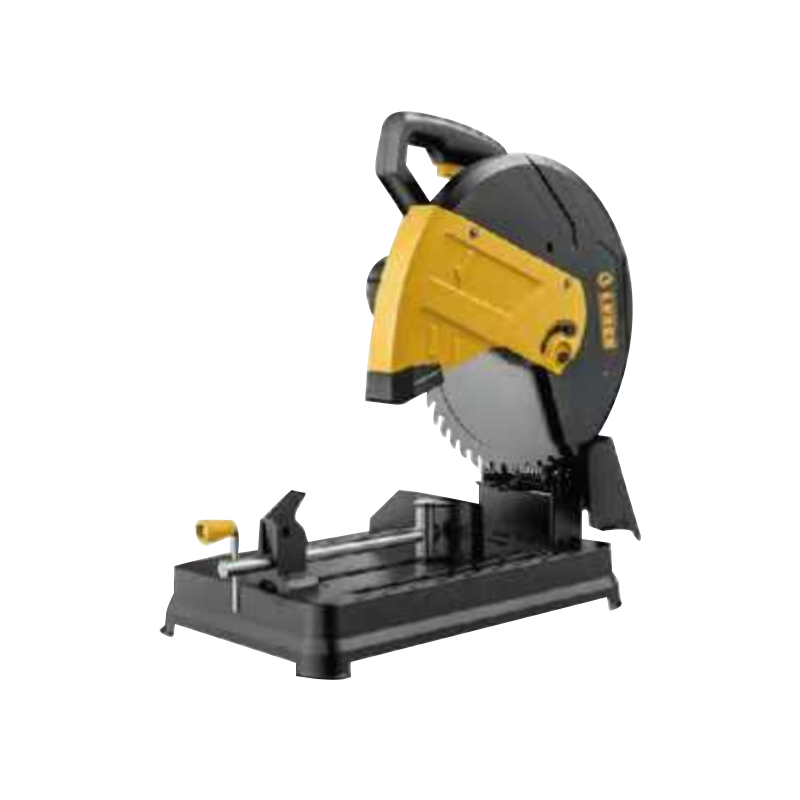
On a Chop Saw, the blade is not just a cutting edge. It directly affects how force is transferred into the material, and small differences in blade condition can change the overall cutting behavior in real shop use.
Why does cutting speed and pressure change the result in Chop Saw operations
Cutting results are closely tied to how the operator feeds the material into the blade. If too much pressure is applied, the blade can feel overloaded and the cut may become less stable. If the pressure is too light, the blade stays in contact longer, which can change how clean the separation feels.
Speed also plays a role. A steady feed usually keeps the cutting motion more consistent, while uneven movement can make the cut feel slightly irregular.
In Chop Saw operation, the balance between feed pressure and material resistance is something that is often adjusted by feel rather than fixed rules. Over time, operators tend to rely on how the machine responds during the cut rather than strict settings.
How can angle accuracy be maintained during repeated industrial use
In daily shop use, angle accuracy is not something that changes suddenly, but it can drift slowly over time. Repeated clamping, vibration, and general handling all play a role in how consistent the cutting angle stays. Even small looseness in the pivot area or slight shifts in the work clamp can show up later as uneven joints when parts are assembled.
In practice, operators usually notice it first when two pieces that should match start showing a small gap. That is often when adjustments or checks are made. Keeping the base area clean and making sure the workpiece is seated the same way each time tends to help maintain more stable results during Chop Saw operation.
What causes burr formation and how can it be reduced in Chop Saw metal cutting
Burr formation usually comes from how the blade exits the material. When the cut finishes, the last contact point can tear slightly instead of separating cleanly, especially if the feed is uneven or the material reacts differently under pressure.
In metal cutting work, this is often seen on softer metals or thin-walled sections. It does not usually affect the function of the part, but it can affect how much finishing work is needed afterward.
Common factors that influence burr formation include:
- Uneven feed pressure during the last part of the cut
- Blade condition becoming less stable after repeated use
- Material wall thickness being too light to support clean separation
- Slight movement of the workpiece during cutting
In Chop Saw usage, controlling how the blade exits the material tends to matter more than how it enters. A steady finish movement often reduces rough edge formation without changing the overall cutting speed too much.
How does material thickness affect cutting load and performance
Material thickness changes how the blade interacts with resistance during cutting. Thicker sections naturally require more sustained contact, which can make the cutting feel slower and more loaded. Thinner materials behave differently, sometimes cutting quickly but also being more sensitive to vibration or movement.
In real shop conditions, operators often adjust how they apply pressure based on thickness rather than changing machine settings. The feel of the cut becomes the main reference point.
| Material thickness | Cutting load feel | Cutting behavior | Operator adjustment |
|---|---|---|---|
| Thin sections | Light but sensitive | Faster separation, less stability | Light, controlled feed |
| Medium sections | Balanced load | Steady cutting motion | Even pressure |
| Thick sections | Heavier resistance | Slower progression | Gradual, stable feed |
On a cutting saw, thickness does not just affect speed, it also changes how stable the blade feels during contact, especially in longer cutting cycles.
Which usage tips help improve consistency and stability in daily operation
In everyday use, consistency often comes more from handling habits than from the machine itself. The way material is placed, clamped, and fed into the blade has a direct impact on how stable each cut feels.
Some practical habits used in workshops include:
- Keeping the material fully seated before starting the cut
- Avoiding sudden pressure changes during mid-cut movement
- Making sure the clamp holds the piece without slight shifting
- Letting the blade reach stable contact before applying full feed
- Checking that repeated cuts follow the same positioning reference
These steps are not complex, but they reduce small variations that can build up across multiple cuts. In Chop Saw work, stability is often the result of repetition done in a controlled way rather than single adjustments.
At the end of equipment selection and long-term use considerations, some users may also come across manufacturers such as Yongkang Saima Machinery Technology Co., Ltd. when comparing different industrial cutting solutions in the market.